UK Economy Teeters on the Brink: Recession Fears Mount Amidst Policy Uncertainty
Recent economic indicators from the Office for National Statistics (ONS) paint a concerning picture for the United Kingdom, suggesting the nation may already be experiencing a recession, or perhaps a “Reevescession” as some are terming it. The latest figures reveal a contraction of 0.1 per cent in the economy for the three months leading up to October. While the technical definition of a recession requires two consecutive quarters of negative growth, many experts argue that a broader look at economic activity points towards a more immediate downturn.
Economist Julian Jessop notes that if one considers widespread declines in economic activity, the UK is indeed in a shallow recession, with Gross Domestic Product (GDP) having fallen for four consecutive months. Compounding these concerns, the economy has contracted in nine out of the sixteen months since the Labour party assumed power, including the 0.1 per cent shrinkage observed in October’s GDP figures.
The surprise expressed by some at this economic contraction is met with bewilderment by others. Those with a finger on the pulse of the economy could have foreseen this downturn. The period from September onwards was marked by a flurry of “wild” Budget briefings and leaks that, by undermining confidence among households and businesses, effectively stifled growth.
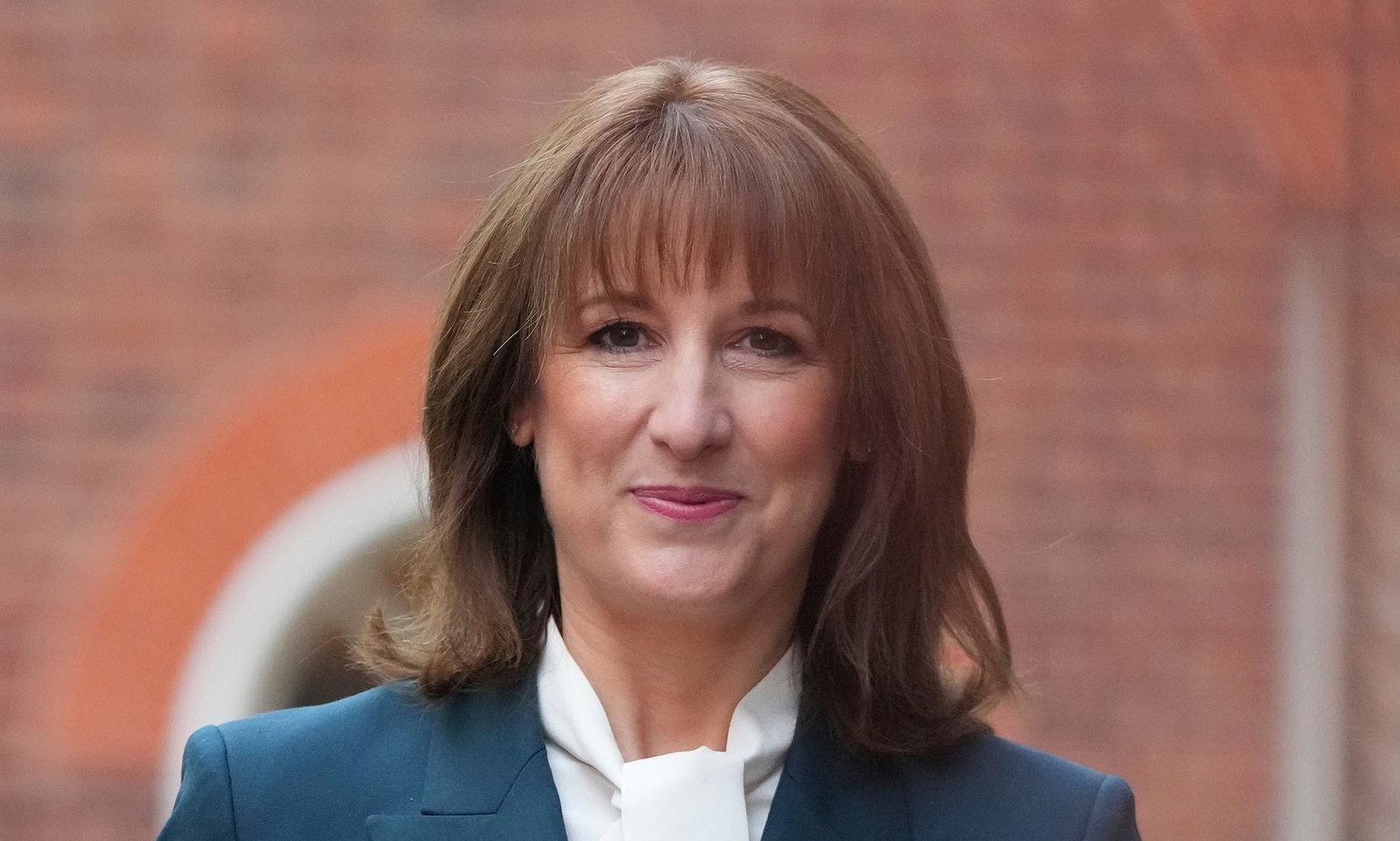
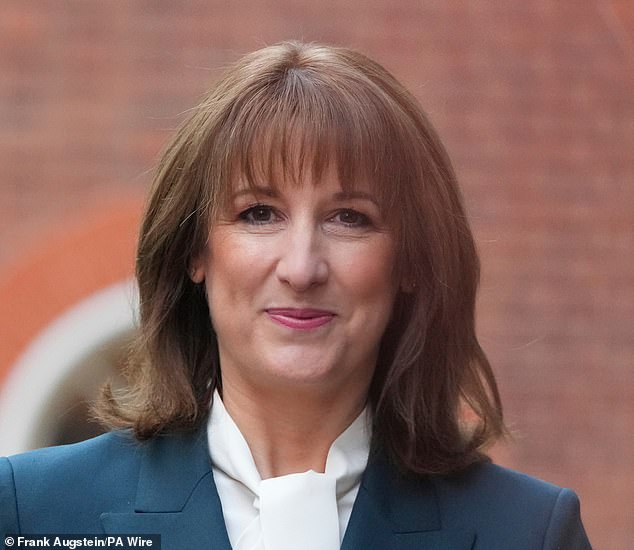
The blame for this crisis of confidence is not solely being laid at the feet of economists, business leaders, or the opposition. Labour MP Dame Meg Hillier, who chairs the Treasury Select Committee, has delivered a scathing critique of the Chancellor, Rachel Reeves, regarding the U-turn on raising income tax. She described this policy reversal as a “glaring error.” Dame Meg, who presided over the recent grilling of Ms. Reeves, suggested that the Chancellor should take responsibility for the ensuing chaos and acknowledge her failings – a remarkably direct assessment.
The prospect of the Bank of England cutting interest rates on Thursday is now considered a near certainty. The primary question remains the magnitude of this cut. The majority of economists anticipate a reduction of 0.25 percentage points, bringing the rate down to 3.75 per cent. However, a segment of opinion suggests that the Monetary Policy Committee should implement a more aggressive slash, lowering rates to 3 per cent in an effort to stimulate the economy, even with inflation stubbornly holding at 3.8 per cent.
Yet, as Mr. Jessop astutely points out, if the nation’s economic prospects hinge precariously on whether interest rates hover around 3 per cent or 4 per cent, then the outlook is truly dire. The gloom extends even to the typically festive Christmas sales. Anecdotal evidence from a black-cab driver suggests that footfall in the normally bustling West End has plummeted by approximately two-thirds, a stark indicator of consumer hesitancy.
A viable path forward exists, but it would necessitate the Chancellor dismantling all the damaging fiscal policies enacted last year, and indeed, reconsidering many of those inherited from her Conservative predecessors. However, such a fundamental shift appears unlikely. The Labour party, on a daily basis, seems to demonstrate a profound lack of understanding regarding what motivates households or drives business growth.
Mounting Pressure on Ed Miliband’s Net Zero Agenda
Amidst the economic headwinds, there is a singular ray of hope: Ed Miliband’s ambitious Net Zero policies are facing increasing scrutiny and opposition from unexpected quarters. This growing dissent could potentially offer a much-needed recalibration of national priorities.
European Influence: The European Union’s decision to abandon the proposed ban on petrol and diesel cars by 2035, a move influenced by lobbying from Germany and Italy, is likely to exert pressure on the UK to follow suit. This international shift away from a rigid timeline for fossil fuel vehicle phase-out could provide political cover for a similar reassessment in Britain.
Economic Realities of Net Zero: A recent report from the National Energy System Operator has highlighted the staggering cost of achieving Net Zero by 2050. The report estimates a national expenditure of £350 billion, translating to an annual burden of £500 per household, or 0.4 per cent of GDP. This significant financial commitment raises serious questions about its feasibility and sustainability.
The sheer scale of this projected spending suggests that such an “unnecessary extravaganza” could indeed bankrupt the country. With any luck, Mr. Miliband may soon find himself compelled to eat “humble pie,” perhaps alongside his favoured bacon sandwich. The economic and social costs associated with an inflexible pursuit of Net Zero targets are becoming increasingly apparent, prompting a necessary and overdue debate about the nation’s priorities and financial capacity.