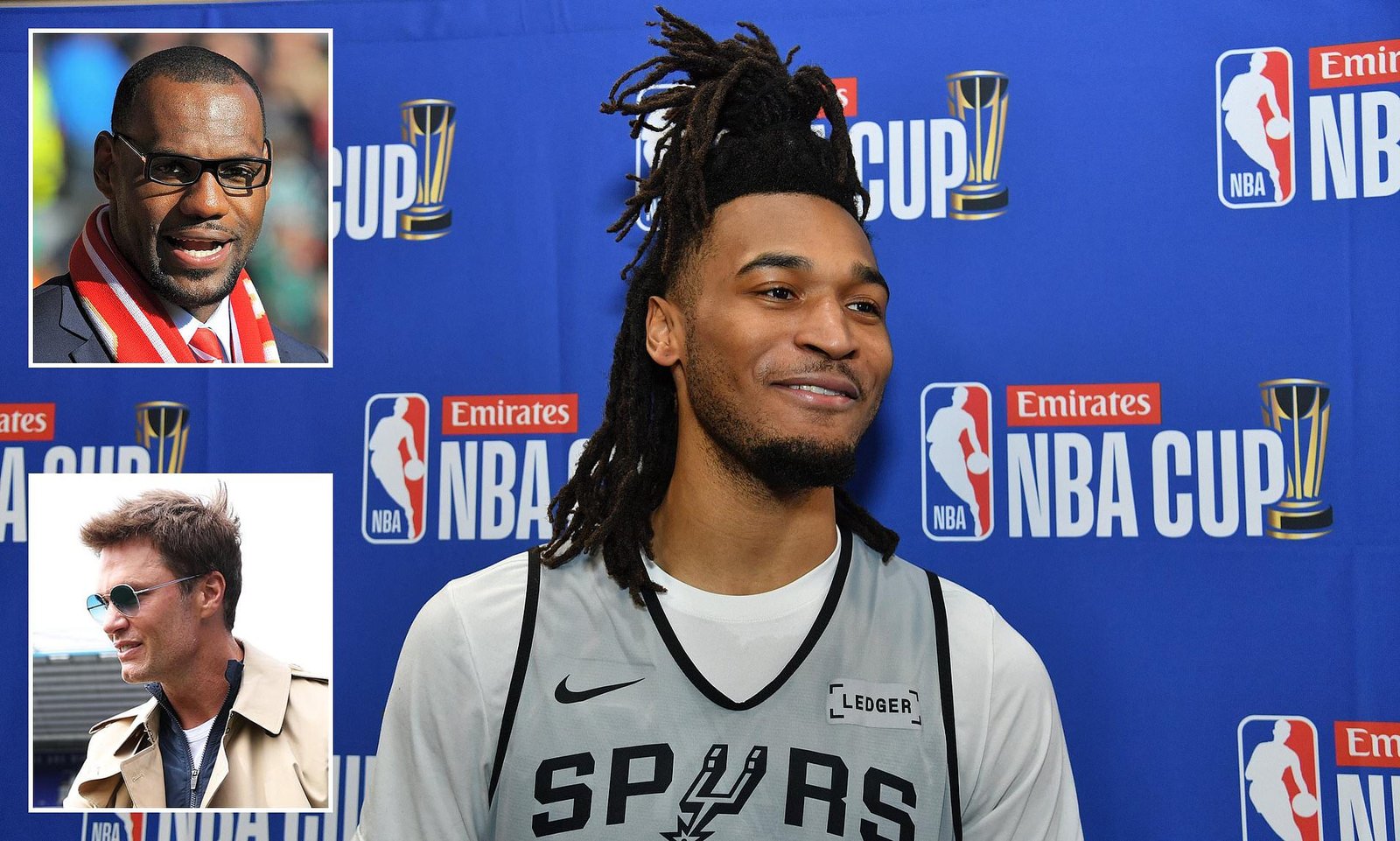
NBA Star Stephon Castle Invests in Connecticut Soccer Landscape
Stephon Castle, the blossoming star for the San Antonio Spurs, is the latest prominent figure in the sports world to venture into team ownership. He has acquired stakes in a Connecticut-based soccer organisation, marking a significant expansion of his athletic and business interests beyond the basketball court.
Castle, who has impressed immensely in the NBA this season, building upon his stellar Rookie of the Year campaign, is now turning his attention to the global appeal of soccer. On Friday, the Connecticut Sports Group (CTSG) officially announced that the Spurs’ sophomore sensation had joined an expanded ownership consortium for both CT United FC and its affiliated women’s team.
Speaking about his new role, Castle expressed a deep connection to the state of Connecticut. “Playing basketball at UConn showed me the incredible talent and passion for sports here, in Connecticut,” he stated. “My family and I are proud to invest in CTSG and help build elite clubs that inspire young athletes, energise fans, and create lasting pride across the state.”
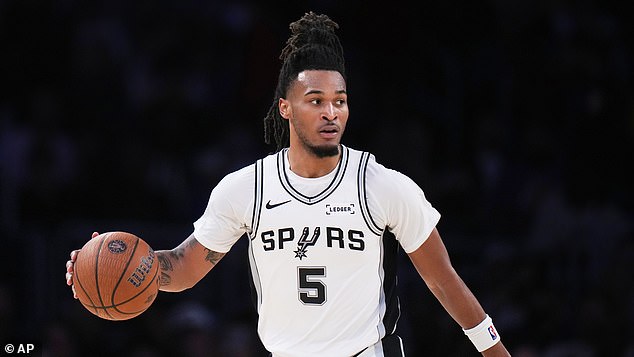
In a separate interview, Castle elaborated on his motivations. “It was the right choice just to start at my age and to also give back to the state of Connecticut for what they’ve done for me,” he remarked. “I just wanted to put my name out there as well and just have it build up as my career goes on. Just to have this on the back end is another great idea.” He further explained that the opportunity was presented to him by his team, and he found it to be a compelling prospect. “I just wanted to take this path early. My people brought it to me, and I thought it was a great idea,” Castle said. “I love the state of Connecticut for obvious reasons, and I thought it would be a great idea.”
The strategic vision for CT United FC involves a phased entry into professional leagues. The men’s professional team is slated to compete in MLS NEXT Pro starting in 2026. Concurrently, the future women’s team is being prepared to join the WPSL Pro in 2028.
Initially, the aspirations for CT United FC were more ambitious, with hopes of joining Major League Soccer (MLS). The club was first teased in 2023 and formally announced in 2024 with an MLS debut in mind. However, these plans encountered a significant hurdle concerning stadium development. The proposed stadium, a crucial component for MLS qualification, is still under development, and the organisation is actively seeking $127 million in state funding to bring the project to fruition.

CTSG has presented a compelling case for state funding, highlighting the extensive benefits of the planned Bridgeport stadium complex. Beyond the sporting facilities, the development is projected to include 1,000 housing units and is expected to generate 1,300 permanent jobs, thereby contributing significantly to the local economy and community infrastructure.
Castle’s move aligns him with a growing trend of high-profile athletes and entertainers investing in sports franchises. He now joins the ranks of Hollywood actor Ryan Reynolds and sports legends such as Tom Brady and LeBron James, who have all made significant investments in the football world.
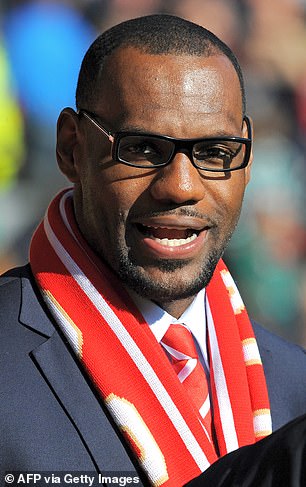
Last year, NFL icon Tom Brady acquired a 3.3 per cent stake in Birmingham City Football Club. Similarly, LeBron James, the basketball superstar, purchased a two per cent stake in Premier League giants Liverpool in 2011 for approximately £4.7 million.
Ryan Reynolds, co-owner of Wrexham AFC, has become a household name among football fans, particularly after his acquisition of the then-non-league Welsh club in 2020 with business partner Rob McElhenney. Their partnership has transformed the club’s fortunes and garnered a devoted following worldwide, with their journey documented in the popular series “Welcome to Wrexham.”
The trend of American megastars investing in English football clubs raises intriguing questions about the future of the sport and the evolving landscape of sports ownership. These investments are often driven by a combination of passion for the game, potential for financial growth, and a desire to make a tangible impact on communities. The success of ventures like Reynolds’ Wrexham has undoubtedly inspired others to explore similar opportunities, potentially leading to a new era of cross-Atlantic sports investment. The involvement of athletes like Castle suggests that this trend is not limited to the highest echelons of professional football but is also extending to emerging leagues and regional teams, fostering development and excitement at various levels of the sport.