Channel Crossings Surge: Over 600 Migrants Arrive as Weather Improves
A significant surge in migrant arrivals via small boats across the English Channel has shattered recent claims of the UK government gaining control over the crisis. Yesterday, an estimated 600 migrants successfully navigated the perilous waters, marking the first substantial crossings in nearly a month. This influx occurred as smugglers reportedly capitalised on improved weather conditions, launching at least nine inflatable vessels from the French coast.
Early morning footage captured migrants preparing to depart from a quayside near Dunkirk, with some seen swimming towards their dinghies. The flotilla is understood to have included several large “mega dinghies,” capable of carrying over 100 individuals, with lengths approaching 40 feet. The sheer volume of arrivals on this single day could push the total number of small boat crossings for the year past the 40,000 mark.
This dramatic increase stands in stark contrast to recent figures. Just days prior, Home Office data indicated an uninterrupted period of no small-boat arrivals since November 14th, the longest such stretch since the autumn of 2018. This lull had prompted a celebratory tone from some quarters, with Tristan Osborne, Labour MP for Chatham and Aylesford, posting on social media: “A long way to go for sure… But finally we are seeing the heavy work paying off. Under Labour the longest stretch without boat crossings since the surge started [under the Conservatives].”
However, within 12 hours of Mr. Osborne’s optimistic message, reports of hundreds of migrants embarking on journeys from multiple points along the French coastline began to surface, seemingly without intervention. The sudden surge triggered an “indigo” alert, prompting four of the five Border Force patrol vessels – Hurricane, Ranger, Typhoon, and Volunteer – to be deployed.
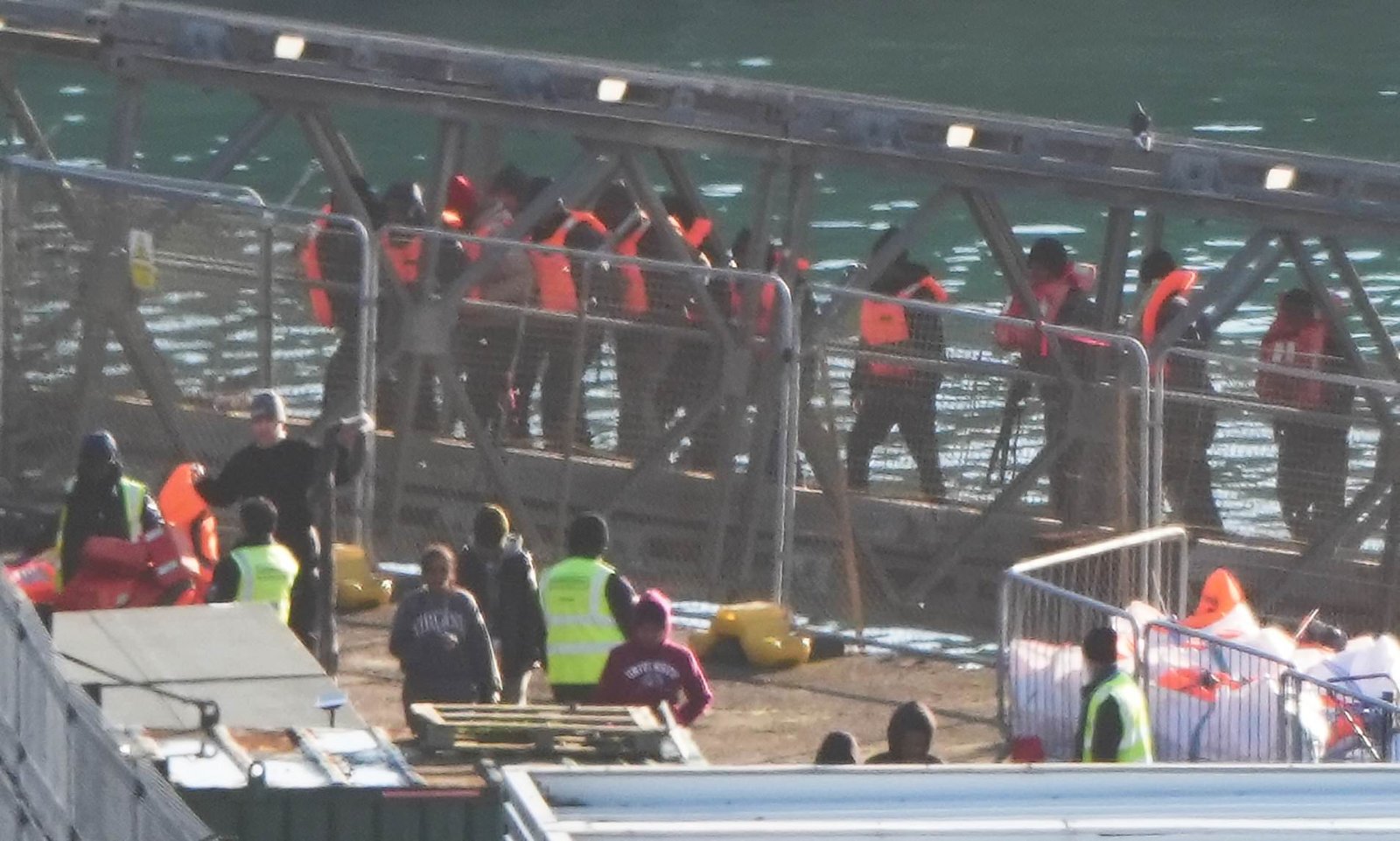
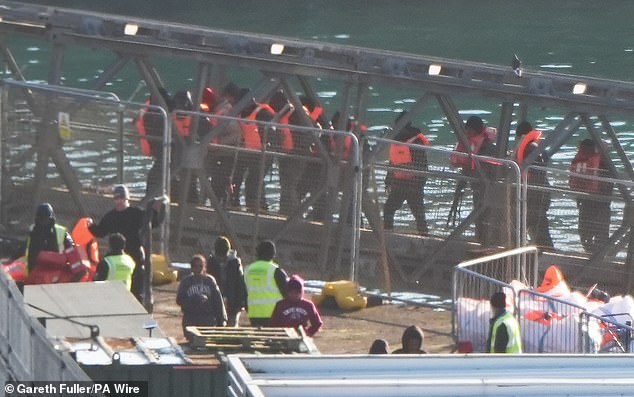
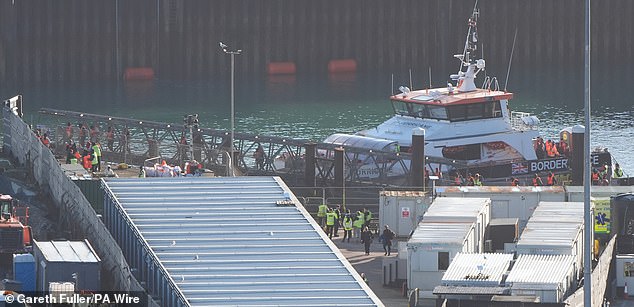
At approximately 10:30 AM, the Hurricane patrol vessel arrived in Dover harbour with its first contingent of rescued migrants. Around 140 individuals, recovered from two dinghies adrift in the Channel, were escorted to a nearby Border Force processing centre. The Hurricane then returned to sea and, by lunchtime, was back in Dover with at least another 100 migrants.

Local fisherman Matthew Coker described the notion that any political party was “getting on top of the problem” as “farcical.” He attributed the recent lull in crossings not to effective policies, but to a prolonged period of adverse weather, including strong winds and rough seas in the Channel throughout November.
“I’ve only had three [fishing] trips in the last 28 days – and they were quite rough,” Mr. Coker stated. “There has been no weather at all where a migrant boat would have managed to cross in the last 28 days. When the weather has allowed, there’s been massive numbers [of migrants crossing].” He added that had the end of the year not been marked by such poor weather, as it was the previous year, authorities would likely be facing a far more significant crisis in terms of arrival numbers.
Mr. Coker estimated that each of the inflatable boats observed yesterday was carrying between 55 and 80 individuals, contributing to the estimated 600 migrants making the perilous journey.
He also raised concerns about the apparent sophistication of the people smugglers, suggesting they possess access to detailed meteorological information. “People smugglers in France appear to have access to sophisticated meteorological information about conditions in the Channel,” he remarked. “It’s very strange how accurately these people smugglers seem to know what the weather is doing out in the middle of the Channel. I can only think they must have people giving them information on what the sea state is like. They seem to get it exactly right every time.”
As of yesterday, the cumulative number of migrants making the illegal crossing via small boats stood at 39,292 for the year. This figure already surpasses the 36,816 recorded in the entirety of the previous year. The all-time annual record for small boat crossings was set at the end of 2022, with 45,755 arrivals.
A Home Office spokesperson commented on the situation, stating: “The number of small boat crossings is shameful and the British people deserve better. This Government is taking action. We have removed almost 50,000 people who were here illegally, and our historic deal with the French means those who arrive on small boats are now being sent back.”
The latest wave of crossings occurred amidst a backdrop of political activity in London. Hard-Right activist Tommy Robinson, whose real name is Stephen Yaxley-Lennon, led a carol service in central London attended by thousands of people. Robinson described the event as a celebration of the Christian religion, asserting it was “not about Islam, immigration, or the useless communists in control of our government.” A counter-demonstration organised by Stand Up To Racism drew approximately 500 protesters to a location nearby on Whitehall.