
The story of Alpina begins with a simple desire: to improve upon the already impressive performance of BMW automobiles. In 1965, Burkard Bovensiepen, driven by this ambition, founded a company dedicated to producing tuning kits specifically for the BMW 1500. This venture quickly resonated with motoring enthusiasts who sought something more than what Munich’s standard offerings provided.
The Alpina name, previously associated with the Bovensiepen family’s typewriter manufacturing business, was transferred to this new automotive endeavor. Crucially, Alpina rapidly gained approval from BMW, establishing a cooperative relationship that would define the brand’s identity for decades.
From enhancing the 1600-2 with 165bhp engines to further refinements of the iconic 2002, Alpina consistently pushed the boundaries of BMW performance. In 1978, the company took a significant step forward, marketing a comprehensive range of models based on the 3, 5, 6, and 7 Series platforms. These weren’t simply tweaked BMWs; they were meticulously overhauled machines bearing the Alpina stamp.
By 1983, Alpina had solidified its position in the automotive landscape, officially registering as a manufacturer in its own right. Production averaged around 600 cars annually, a testament to the brand’s dedication to exclusivity and quality. Interestingly, some of these vehicles were assembled in the UK by racer Frank Sytner’s Nottingham dealership, further expanding Alpina’s reach.
The price of an Alpina was undeniably a premium over standard BMWs. For instance, a 210bhp C2 commanded a price tag £7000 higher than the £16,685 1987 325i Sport upon which it was based. Despite the cost, Alpina cultivated a loyal following and earned the reverence of automotive connoisseurs. This was due to the unique blend of exclusivity, performance that rivaled BMW’s own M cars, and a level of luxury that transcended typical offerings. For these discerning individuals, Alpina represented the pinnacle of BMW desirability.
The announcement of the end of car manufacturing at the Buchloe works has been met with considerable emotion. The final GT models symbolize the conclusion of a distinct era, particularly as BMW assumes complete in-house production.
The relationship between BMW and Alpina has always been characterized by friendly collaboration, but there was also a sense of independence on Alpina’s part. The tuner operated without the immediate oversight one might expect, allowing for unique engineering and design choices.
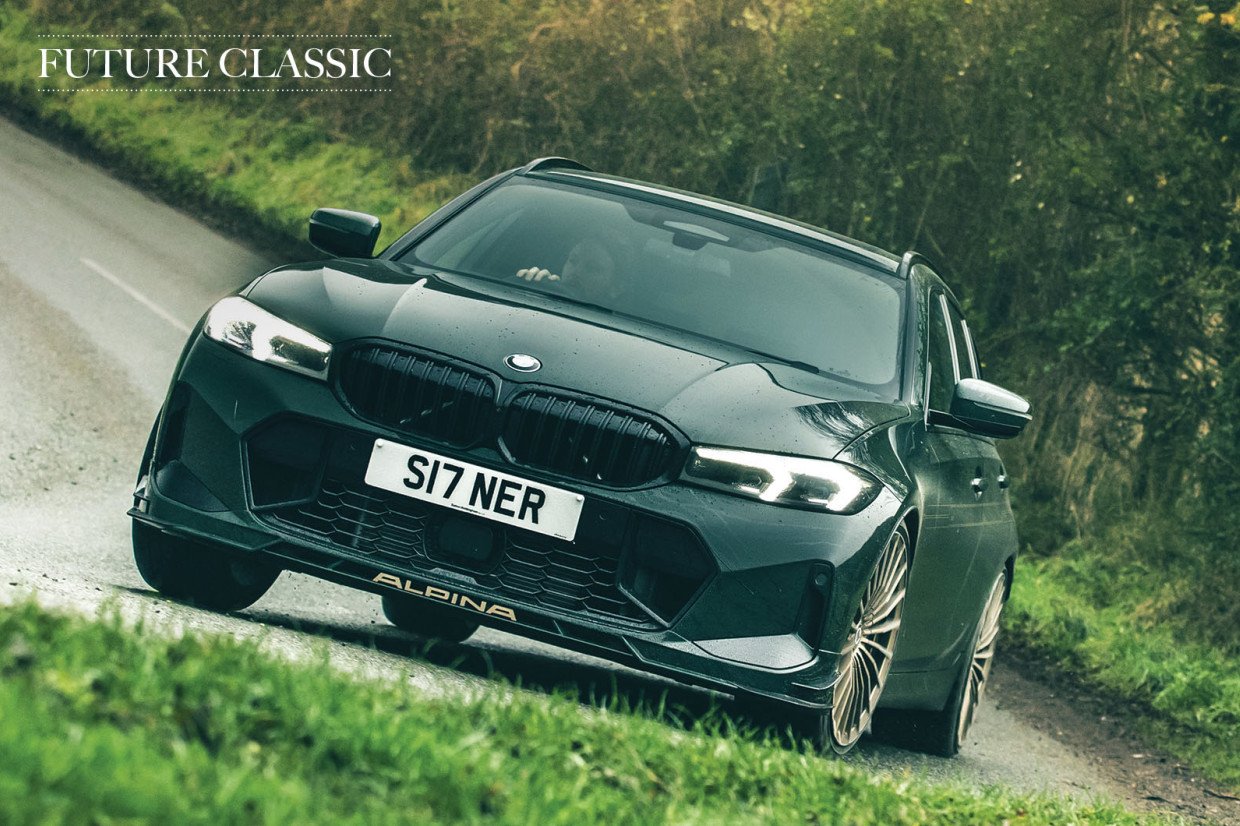
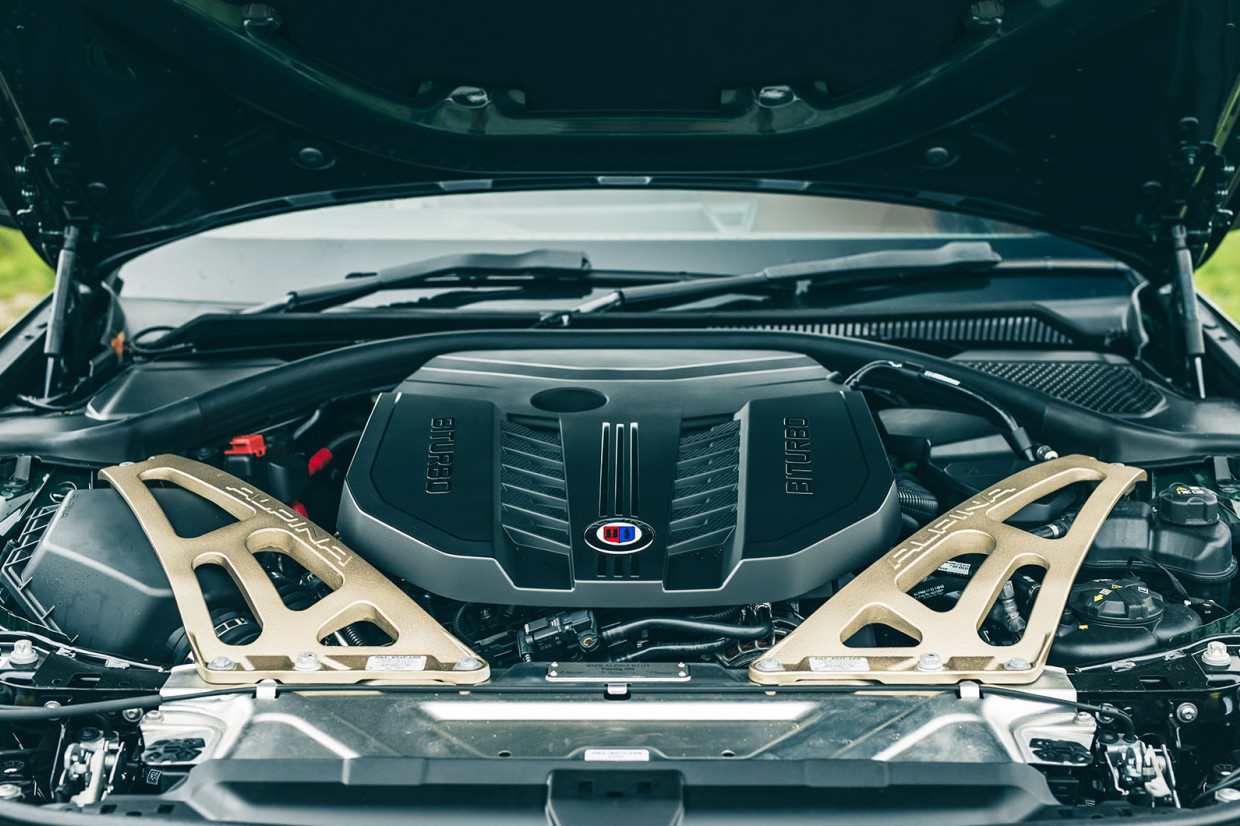
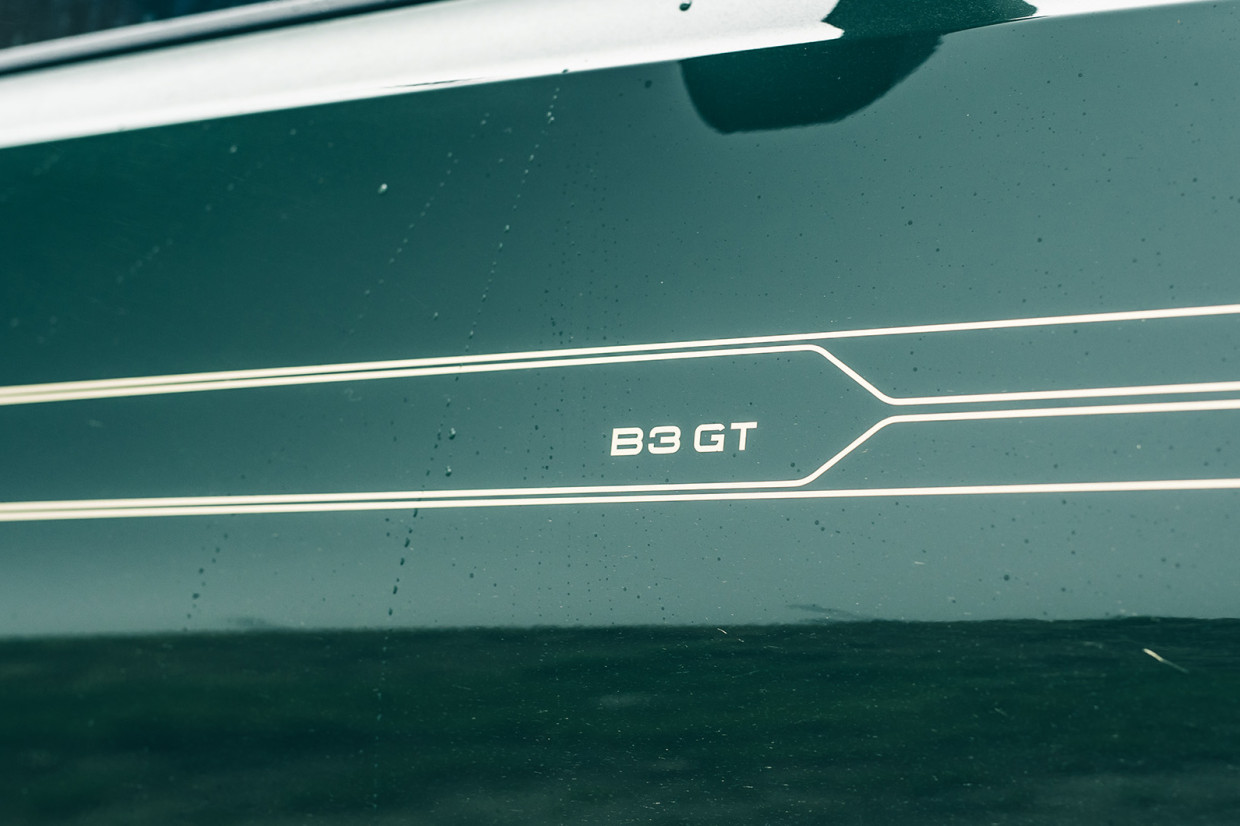
The latest B3 GT (and its B4 Gran Coupé counterpart) exemplifies this approach. Its M3-sourced S58 engine receives a boost, generating 59lb ft more torque than the standard BMW specification of 479lb ft. Intriguingly, Alpina politely dials back the horsepower by 1bhp, resulting in a figure of 523bhp, just shy of the M3’s output. A similar strategy is applied to the B8 GT, based on the 8 Series Gran Coupé, where the V8 engine’s torque is elevated to an impressive 627lb ft.
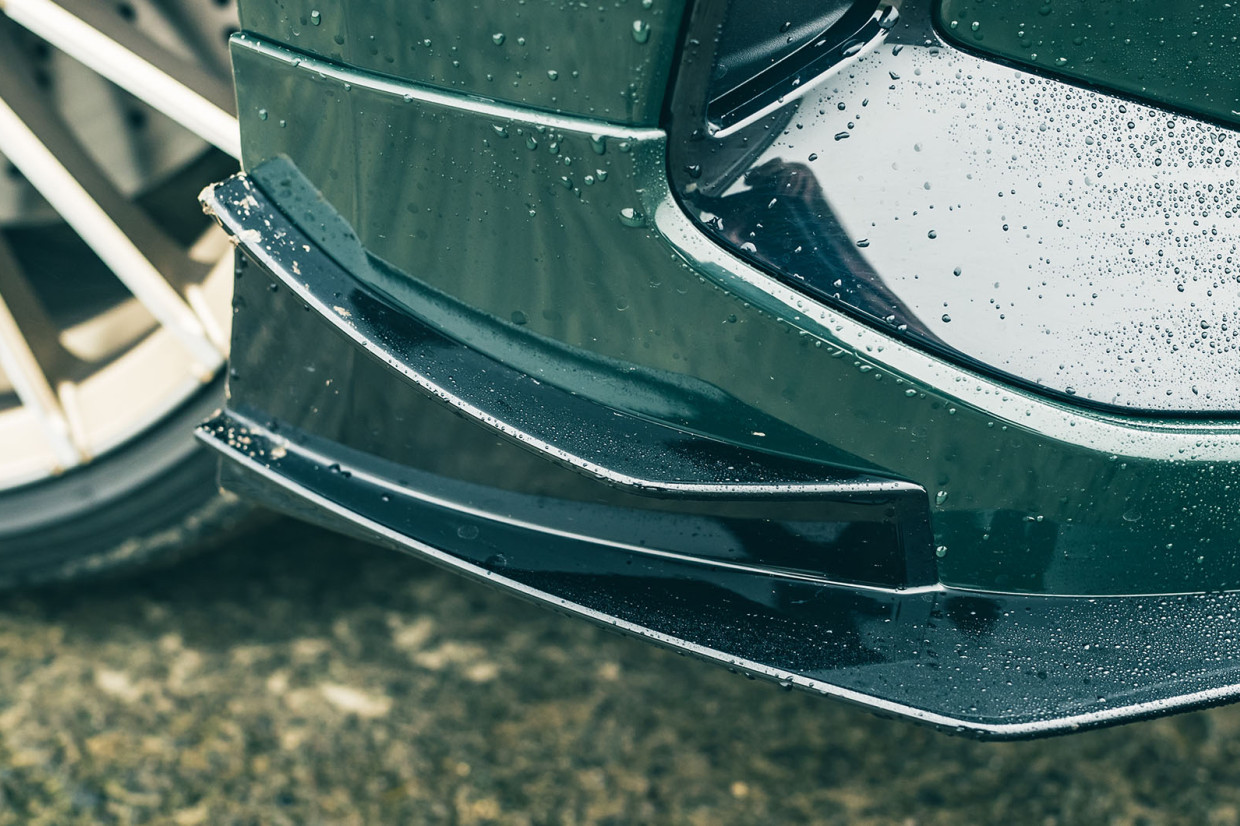
GT-specific enhancements extend beyond engine tuning. These models incorporate specialized strut braces, revised damper settings, and unexpectedly aggressive lower body trim, contributing to both performance and aesthetics.
The B3 GT delivers devastating speed. While it might lack the absolute sharpness of an M3 at the highest reaches of the rev range and experience a slight reduction in lateral g-forces due to narrower tyres, the overall driving experience remains exhilarating.
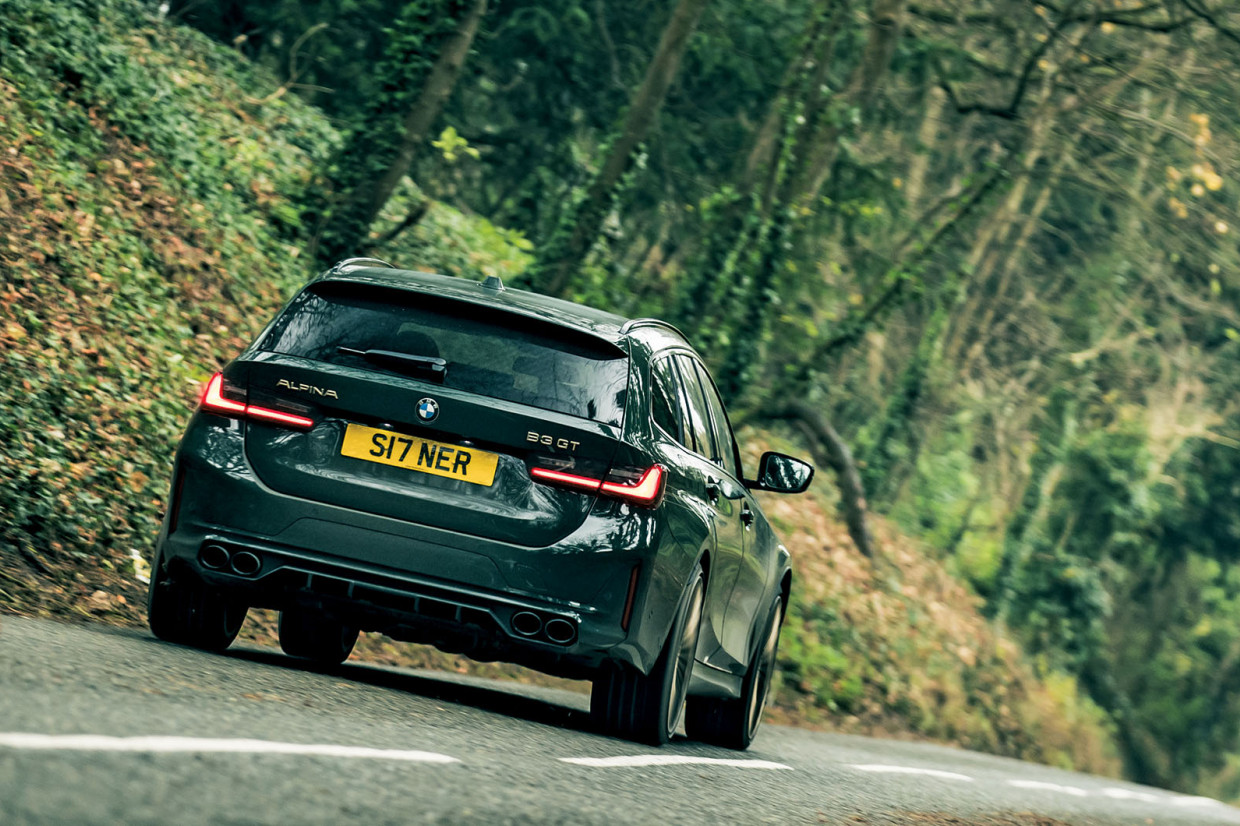
However, the B3 GT’s true strength might lie in its suitability as the ultimate road-trip vehicle. The ride quality remains remarkably plush, even outside the Alpina-specific Comfort Plus mode. The brakes respond predictably to both gentle and assertive pedal inputs, making high-speed stops feel controlled and confident. Furthermore, the steering, the exhaust note, and the four-wheel-drive system are all meticulously calibrated, prioritizing precision and refinement over raw aggression.
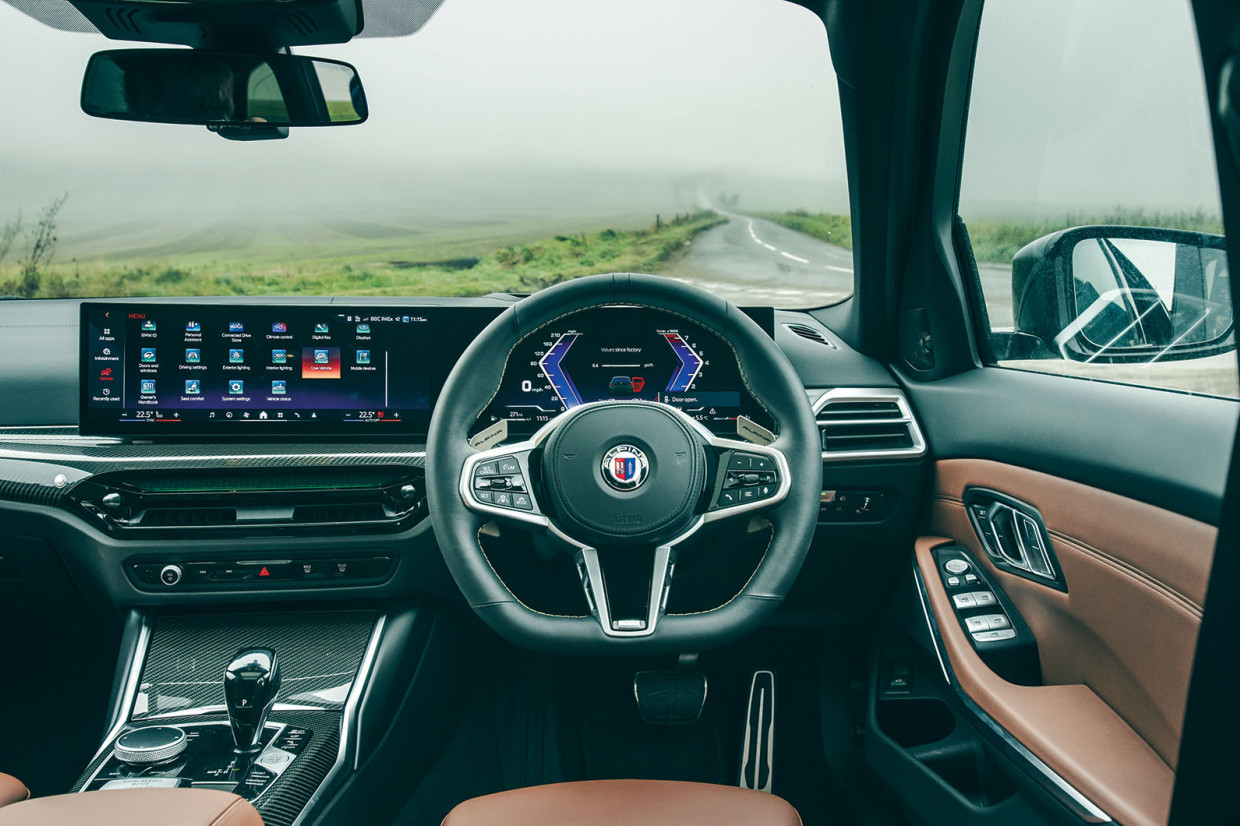
Stepping inside the Tartufo leather-lined B3 reveals an ambience reminiscent of the luxurious 7 Series. The exterior, with its meticulously applied paint finish and distinctive, spindly forged alloy wheels, serves as a constant reminder of the car’s low-volume production and inherent exclusivity. The B3 GT feels undeniably special, and the hope is that it will not be the last of its kind.
Key Specifications of the Alpina B3 GT:
- Engine: 2993cc straight-six, twin turbos; 522bhp @ 6250-6500rpm; 538lb ft @ 2500-4000rpm
- Transmission: Eight-speed automatic, 4WD
- 0-62mph: 3.5 seconds
- Top Speed: 190mph
- Mpg: 25
- Price: £90,400