A Rare Celestial Event: Asteroid 99942 Apophis to Pass Close to Earth
A rare celestial event is set to take place as a large asteroid becomes visible to the naked eye in the night sky. This event involves the asteroid known as 99942 Apophis, named after the Egyptian deity of chaos, darkness, and fire. According to NASA, the asteroid is expected to pass very close to Earth on April 13, 2029.
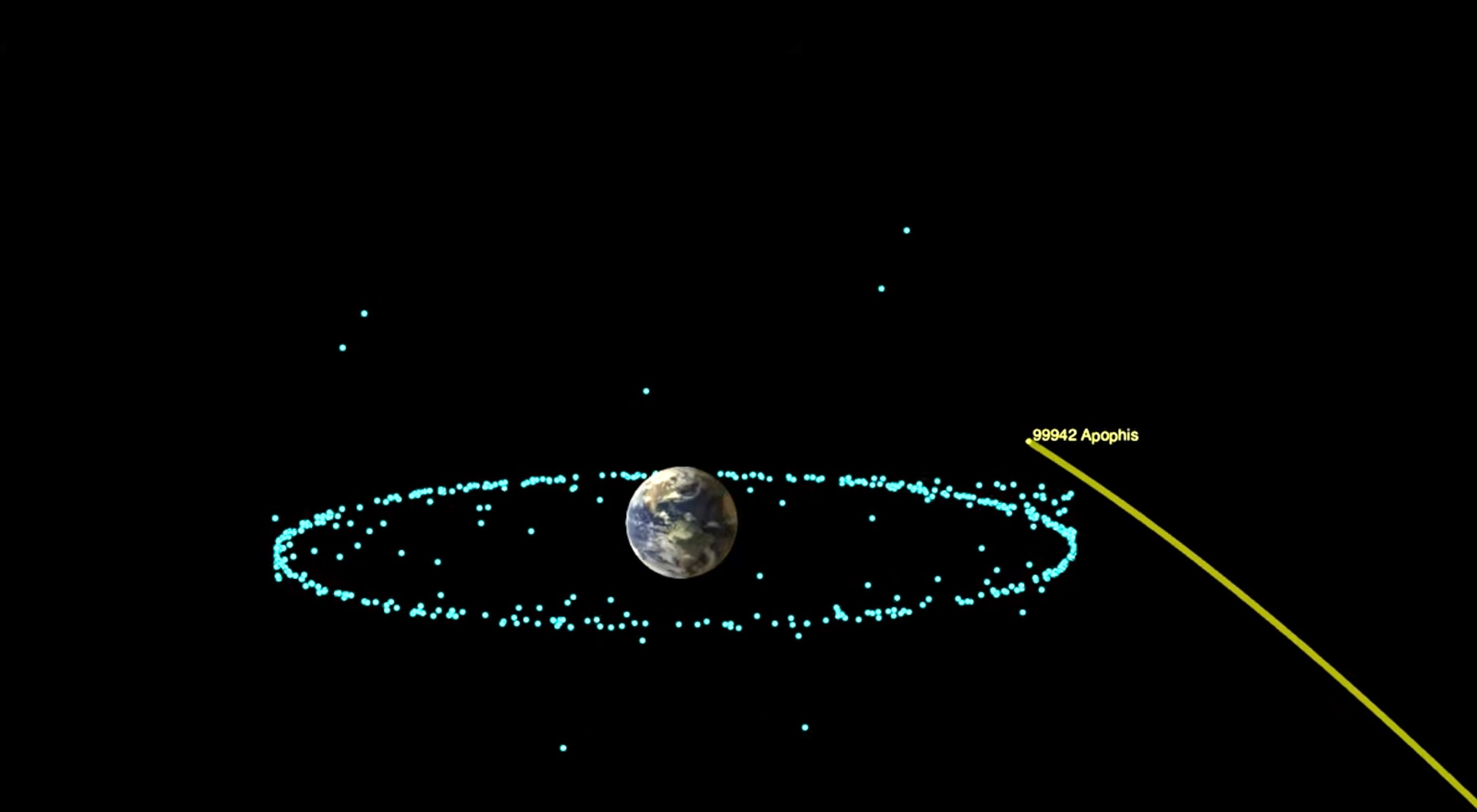
The asteroid will come within approximately 20,000 miles of Earth, which is nearly 12 times closer than the moon’s average distance from Earth. This proximity is also closer than many satellites in geosynchronous orbit, making it one of the closest approaches ever recorded for an object of its size. The event is considered a “very rare” occurrence by NASA.
Observers in the Eastern Hemisphere will have the opportunity to witness this event, provided weather conditions are favorable. Unlike most asteroids, which require telescopes or binoculars to view, Apophis will be visible without any additional equipment, according to astronomers.
History and Risk Assessment
When Apophis was first discovered in 2004, it was classified as a potentially hazardous asteroid due to concerns about possible impacts with Earth in 2029, 2036, or 2068. However, after extensive tracking using optical telescopes and ground-based radar, astronomers now believe there is no risk of impact for at least 100 years.
As Apophis passes by Earth in 2029, the planet’s gravitational pull could alter its orbit around the sun. This might result in a slightly larger orbit or a longer orbital period, but the risk of impact with Earth remains unchanged, according to NASA. The close approach will also provide scientists with a unique opportunity to study the asteroid in greater detail.
Origins and Characteristics
Apophis is the Greek name for the Egyptian god known as Apep. The name was suggested by the astronomers who discovered the asteroid: Roy Tucker, David Tholen, and Fabrizio Bernardi of the Kitt Peak National Observatory near Tucson, Arizona.
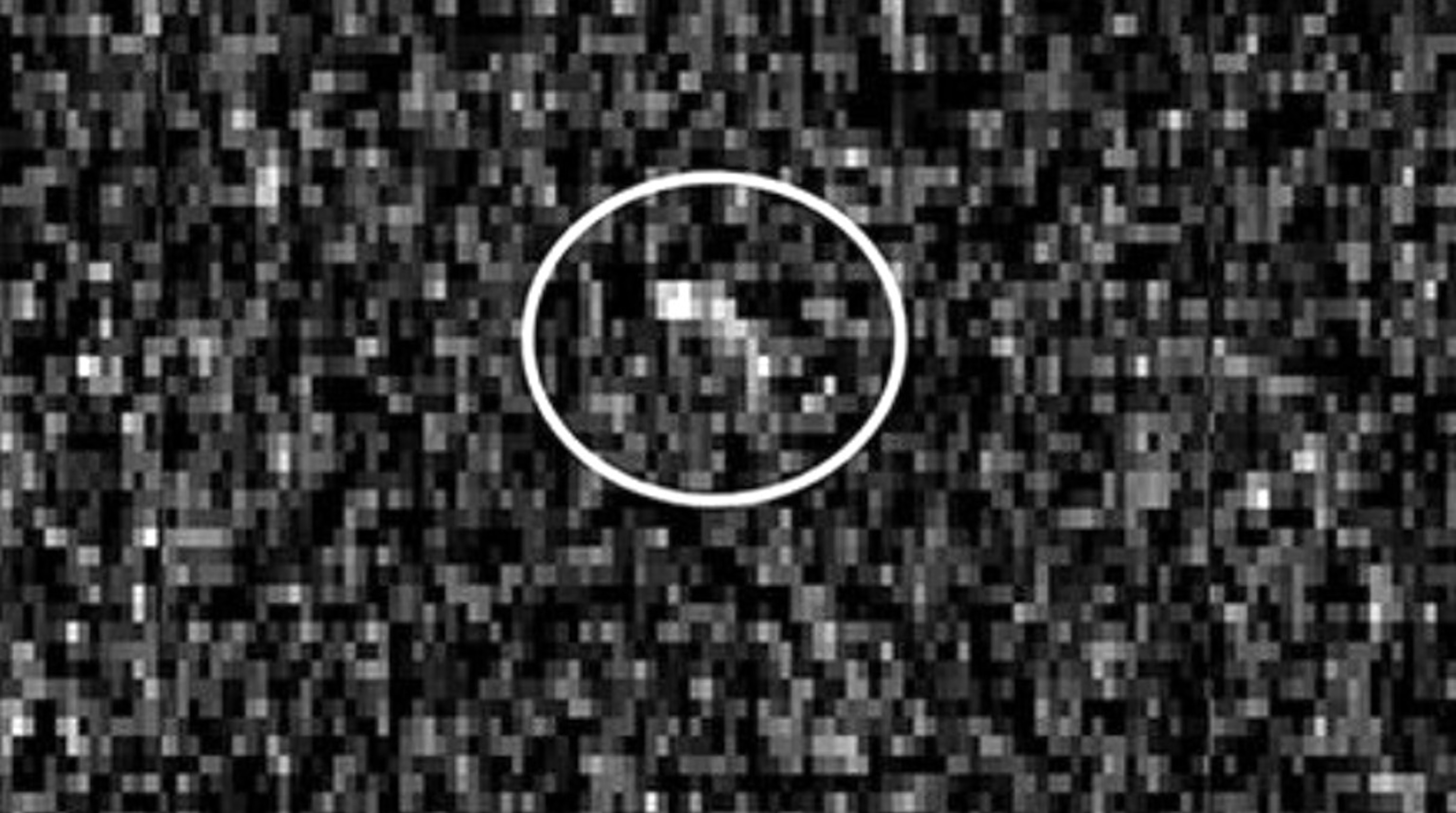
This asteroid is believed to be a relic from the early solar system, dating back about 4.6 billion years. It is composed of leftover material that never formed into a planet or moon. While its exact size and shape remain unknown, its mean diameter is estimated to be about 1,115 feet, with a long axis of at least 1,480 feet.
The surface of Apophis has been weathered over eons due to exposure to space weather, including solar wind and cosmic rays, according to the Massachusetts Institute of Technology.
Scientific Observations and Future Missions
Observatories around the world and in space will monitor the asteroid’s historic approach to Earth in order to gain a better understanding of its physical properties.

NASA has already redirected a spacecraft to rendezvous with Apophis shortly after its close approach in 2029. Additionally, the European Space Agency plans to send a spacecraft to study the asteroid. These missions will provide valuable data about Apophis and its composition.
When the April 2029 flyby occurs, Apophis will join the “Apollo” group, a family of asteroids that cross Earth’s orbit but have orbits around the sun that are wider than Earth’s. This classification highlights the significance of the asteroid’s trajectory and its potential for future scientific study.