
Corryville Balcony Collapse: All Hospitalized Patients Released, Investigation Continues
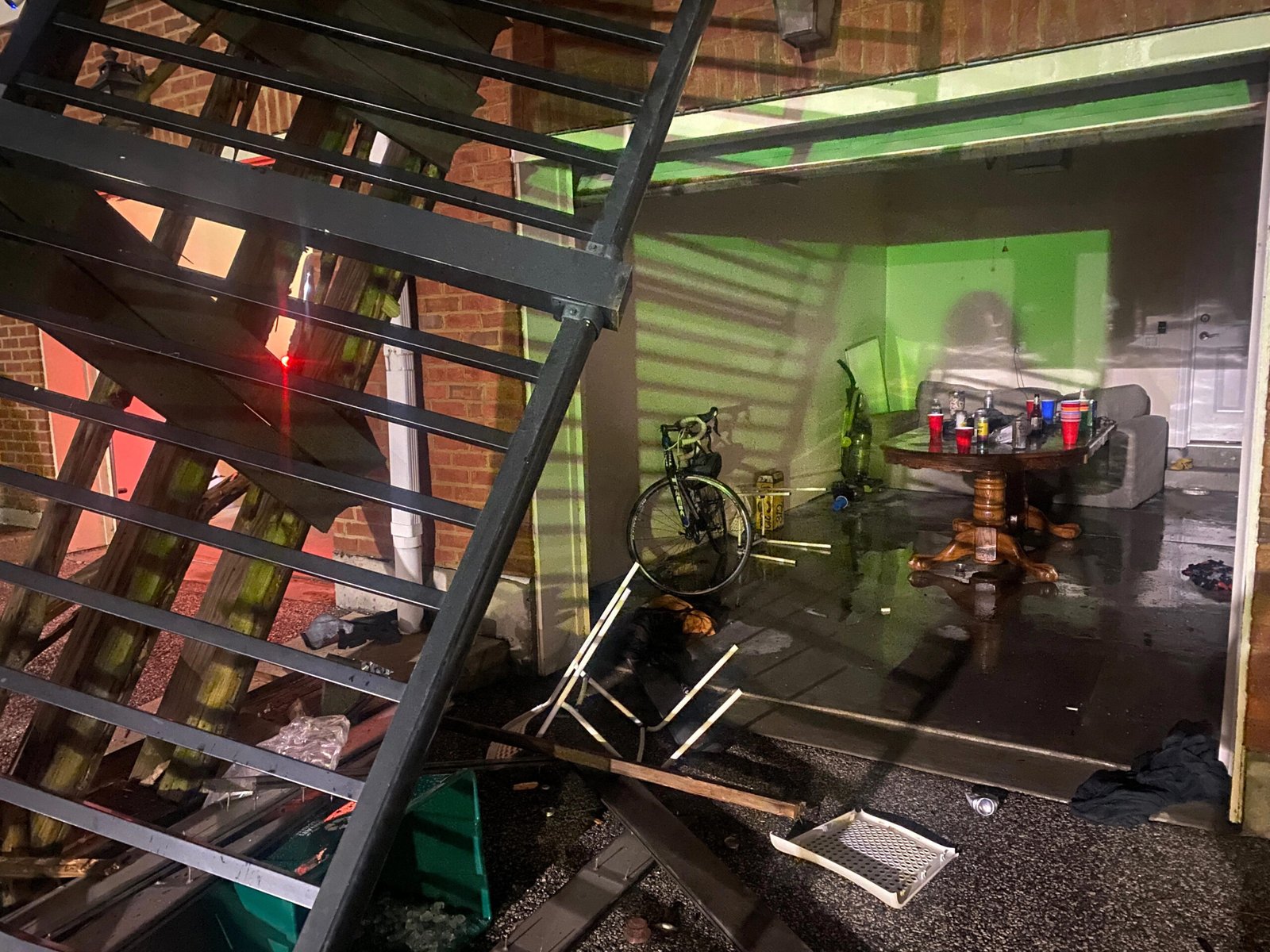
It has been two months since the tragic balcony collapse in Corryville on October 17th, an incident that sent ten people to the hospital. The last remaining patient who was hospitalized as a result of the incident has now been released from the University of Cincinnati Medical Center. This individual had been in critical condition from the night of the collapse until at least November 4th. By November 18th, a spokesperson for UC Medical Center confirmed the patient had been moved to stable condition.
The specific date of the patient’s release has not been disclosed by the hospital, citing patient privacy rights and protections. Ten individuals were hospitalized following the balcony’s fall, which plunged approximately 20 feet from a Stetson Street condominium. Eight of these individuals were transported to UC Health’s Greater Cincinnati adult Level I trauma center. It is possible that other individuals who sustained injuries may have sought medical attention at different facilities on their own accord.
Ongoing City Investigation into the Cause
Cincinnati’s Department of Buildings and Inspections is actively conducting an investigation to pinpoint the exact cause of the balcony collapse. In the immediate aftermath, specifically the Monday following the incident, building inspectors issued directives to residents of the condominium complex, advising them to refrain from using their balconies until the investigation concluded.
During their assessment of the complex, the Department of Buildings and Inspections issued several critical orders to the condominium’s owner:
- Engage a Structural Engineer: The owner was instructed to hire a qualified structural engineer to conduct a thorough examination of all balconies within the condominium complex.
- Secure Balcony Access: All balcony doors were to be secured and barricaded, preventing their use until the structural engineer’s assessment was completed and findings were reviewed.
- Restore Sprinkler System: The damaged sprinkler system, which was affected by the collapse, needed to be brought back into compliance with safety regulations.
The department stated that officials would conduct reinspections of the property to ensure strict adherence to these orders. As of October 27th, an email from a city spokesperson confirmed that the homeowner’s association had retained a forensic engineer and that the investigation into the collapse’s cause was ongoing. The building and its balconies were originally constructed in 2006. Records pertaining to building inspections for this property were requested by news outlets at the end of October but have not yet been released.
Legal Action Initiated by an Injured Party
Amidst the ongoing investigation, one individual injured in the collapse has initiated legal proceedings. Andrew McGovern, who, according to his legal representation, suffered multiple injuries along with significant mental and emotional pain and suffering as a result of the incident, is suing parties deemed responsible for the balcony and its maintenance.
The lawsuit, filed in Hamilton County Common Pleas Court on October 31st, suggests that preliminary findings point to a failure in one of the balcony’s primary support beams as the catalyst for the collapse. The complaint further alleges that the balcony was either negligently maintained or completely neglected, leading to a dangerous condition that posed a significant risk to both residents and visitors. At the time of the collapse, McGovern was a medical student at the University of Cincinnati. The full extent of his physical, psychological, psychiatric, and neurological traumas and injuries are, according to the lawsuit, “yet to be determined.”
Representatives for both the homeowner’s association and the condo’s management company have officially denied McGovern’s claims of negligence, as documented in court filings. Hezekiel Eskender, the property owner, declined to provide comment on December 16th, citing the pending litigation. Attempts to reach the legal counsel for the homeowner’s association and the management company for immediate comment were unsuccessful. This developing story may be updated as more information becomes available.