
Twin Cities Area Transportation Authority Embraces Modernization Through Via Partnership
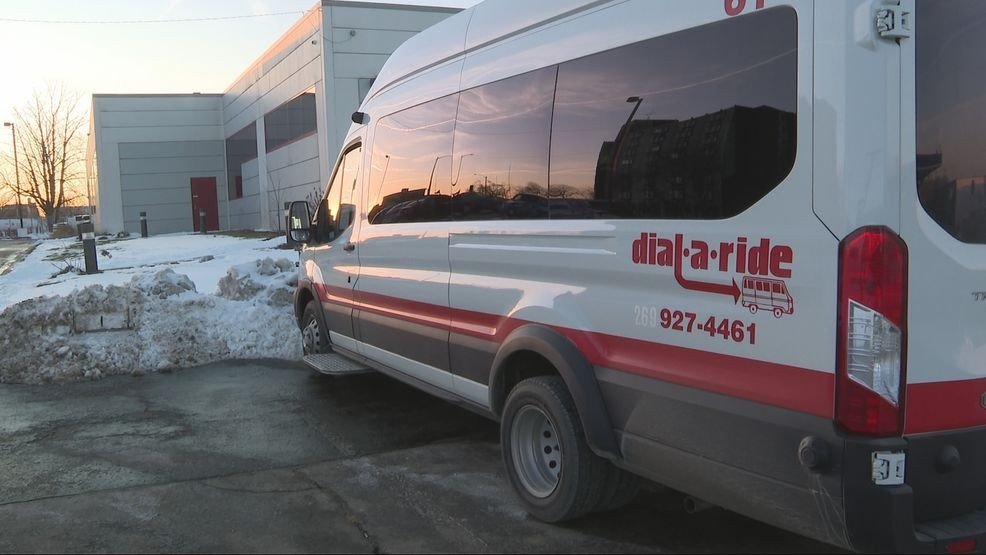
The Twin Cities Area Transportation Authority (TCATA) has taken a significant step towards modernizing its services by unanimously approving a strategic partnership with Via Transportation. This collaboration is poised to revolutionize TCATA’s Dial-A-Ride services, ushering them into the 21st century and addressing long-standing operational challenges.
“I’m real optimistic that, you know, this was the best move to make to keep the operation going,” stated Ron Singleton, Chairman of the TCATA Board. His sentiment reflects a broader sentiment of relief and anticipation following the board’s decision, which was made amidst fears that the program might otherwise face a shutdown. The partnership with Via is expected to provide a much-needed overhaul to TCATA’s existing system, which has grappled with a series of difficulties.
Addressing Past Challenges and Future Vision
Singleton elaborated on the past struggles, noting, “We’ve had issues, you know, in the past with different directors and how the place would be being operated. And it was just, you know, one thing after another, and it also led us into a situation with, you know, getting insurance coverages and things.” These operational hurdles had created an environment of uncertainty, jeopardizing the continuity of essential transit services for the community.
Sarish Kasat, the Midwest Partnership Lead for Via Transportation, explained Via’s perspective. “When looking at TCATA, they saw a transportation system that needed to evolve to fit current riders’ needs, whether that is using an app to dial a ride and track vehicles or other ways.” Via’s expertise lies in leveraging technology to enhance public transportation. Their vision for TCATA includes:
- App-Based Service: Allowing riders to book rides and track vehicles in real-time through a user-friendly mobile application.
- Intermodal Connectivity: Facilitating seamless connections between different modes of transit.
- “You can think about riders being able to connect between modes of transit. So let’s say you’re using a dial ride vehicle to then connect to a fixed ground bus. We can kind of create those connections with the technology as well, but overall creating a more visible, accessible and efficient transit system,” Kasat added. This integration aims to make public transportation a more convenient and comprehensive option for commuters.
- Enhanced Efficiency and Accessibility: Implementing technological solutions to streamline operations, reduce wait times, and improve the overall rider experience.
Maintaining Local Control Amidst Partnership
A key aspect of this partnership is the assurance of continued local oversight. Singleton emphasized that Via will function as a managing partner, not a replacement for local governance. “The board still has the authority to set fares and expand routes, things like that, so no loss of control,” he clarified. This structure ensures that TCATA’s board retains the power to make decisions that best serve the specific needs of the Twin Cities community, while benefiting from Via’s technological expertise and operational efficiencies.
Transitioning to a New Era
The transition process is slated to begin in January. During this initial phase, Via’s primary focus will be on maintaining the reliability of the current service. This approach aims to minimize disruption for existing riders as the new systems and processes are gradually introduced. The partnership signifies a commitment to innovation and a forward-thinking approach to public transit, ensuring that TCATA can continue to provide vital transportation services effectively and efficiently for years to come. The integration of Via’s technology is expected to not only improve the daily commute for residents but also enhance the overall attractiveness and sustainability of public transportation in the Twin Cities area.