

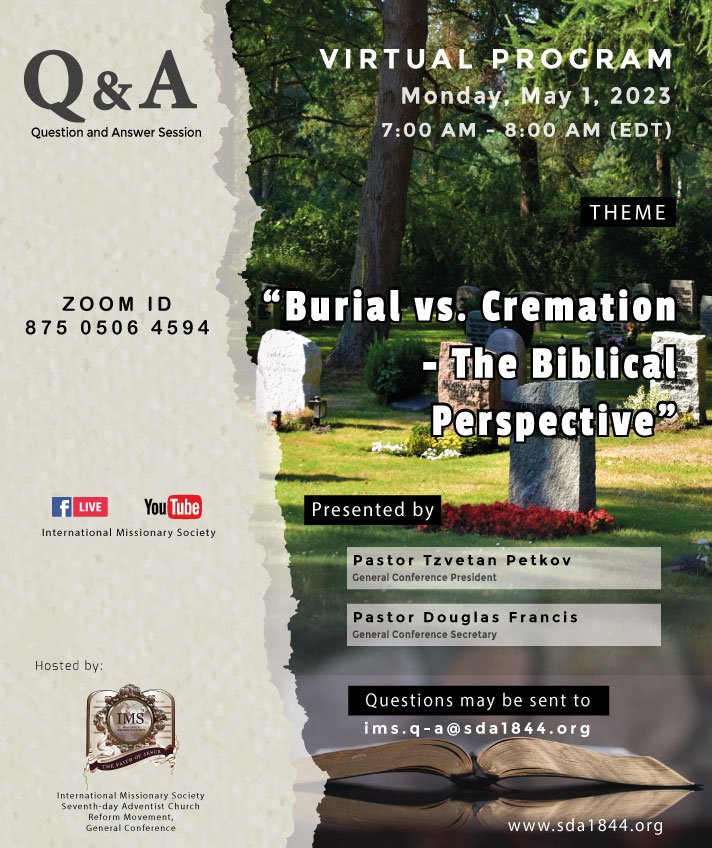
Understanding Death and the Departed: A Scriptural Perspective
The practice of commemorating and interring the deceased is a deeply ingrained aspect of human culture worldwide. From elaborate ceremonies to simple graveside rituals, societies grapple with the profound reality of death and the desire to honor those who have passed. However, when viewed through a specific theological lens, some of these practices raise questions about their alignment with biblical teachings and the spiritual implications they may carry.
Abraham’s Purchase: A Foundation of Separation
The narrative of Abraham’s purchase of a burial plot in Genesis 23:4 offers a foundational understanding of interment. Abraham declared, “I am a stranger and a sojourner with you: give me a possession of a burying place with you, that I may bury my dead out of my sight.” The key phrase here, “out of my sight,” underscores a desire for separation and a dignified removal of the deceased from the immediate presence of the living. This act was not about maintaining ongoing contact or dependence, but rather about providing a respectful resting place.
The Role of Tombstones and Memorials
While many cultures erect tombstones and elaborate monuments as a way to remember and honor the departed, the scriptural basis for such practices is limited. The closest reference is found in Genesis 35:20, where Jacob set a pillar upon Rachel’s grave. However, this single instance is insufficient to establish a broad doctrine. The maintenance of cemeteries and graves, from this perspective, is primarily for organizational purposes and to provide orderly environments, rather than implying that the deceased are actively observing or influencing the living.
Examining Cultural Practices and Their Spiritual Implications
Some cultural traditions, particularly within certain African mythologies, have developed unique beliefs surrounding death and burial sites. These can include notions that deceased loved ones require ongoing upkeep of their graves, such as tombstone renovations, for their comfort in the afterlife. Some even cite dreams from the departed as justification for these actions. Such beliefs are often viewed with strong theological disapproval, questioning whether they deviate from a reliance on divine sufficiency.
The inscriptions found on graves often reveal the sentiments of the living. Phrases like “We will miss you” or “Watch over your family” are common. The opulence of some burial structures, beyond financial capacity, can also suggest a deeper, perhaps spiritual, motivation.
The Peril of Speaking to the Dead
A significant concern arises from the practice of speaking directly to the deceased, especially when done days, weeks, or even months after burial. In some cultures, arriving late to a burial involves placing a stone on the grave and engaging in conversation, expressing condolences. This practice is considered highly dangerous from a biblical standpoint, as it is believed to open avenues for demonic influence. The presence of Satan and his demons is thought to be heightened in such interactions, potentially gathering information for future manipulation.
During funeral services, direct addresses to the deceased, such as “Go well” or “We will miss you,” are also common. While sometimes stemming from ignorance, the underlying belief that the spirit or soul hovers and can hear these words is problematic. The admonition is to be cautious, as these moments can be exploited by malevolent spiritual forces.
The Only Permissible Discourse with the Departed
The Bible provides a singular example of speaking to the dead in a way that is deemed acceptable: Jesus’ command to Lazarus. In John 11:43, Jesus cried with a loud voice, “Lazarus, come forth.” This was not a conversation of commiseration but a divine utterance to bring the dead back to life. Therefore, any discourse with a deceased individual, particularly when they are in a coffin, should be solely for the purpose of resurrection, invoked in the name of Jesus.
Jesus’ instruction to his disciples in Matthew 10:8, “Heal the sick, cleanse the lepers, raise the dead, cast out devils,” supports the authority given to believers to perform such acts. The Shona proverb, “seri kweguva hakuna munamato” (beyond the grave, there is no beneficial prayer), further emphasizes this point. Apart from prayers for resurrection, other prayers for the deceased are considered to be for the comfort of the living and lack efficacy for the departed soul.
The Importance of Proclaiming the Gospel
Appealing to God for mercy on the soul of an unsaved relative after death is seen as futile. Such prayers are considered to be mere performative acts without spiritual substance. The critical time to reach out to those who are unsaved and unbelievers is during their lifetime, through the proclamation of the Gospel of Christ. Once life has ended, the opportunity for repentance and salvation has passed.
Closing the Chapter
After the finality of death, the focus shifts to mourning and accepting the closure of that chapter of life. The emphasis is on moving forward with faith and hope, entrusting oneself to divine protection.
“Now unto him that is able to keep you from falling, and to present you faultless before the presence of his glory with exceeding joy, To the only wise God our Saviour, be glory and majesty, dominion and power, both now and ever. Amen. Grace and peace be multiplied to you through knowledge.”