Blake Lively and Justin Baldoni’s Legal Saga Continues: A Battle Over Damages Post-Settlement
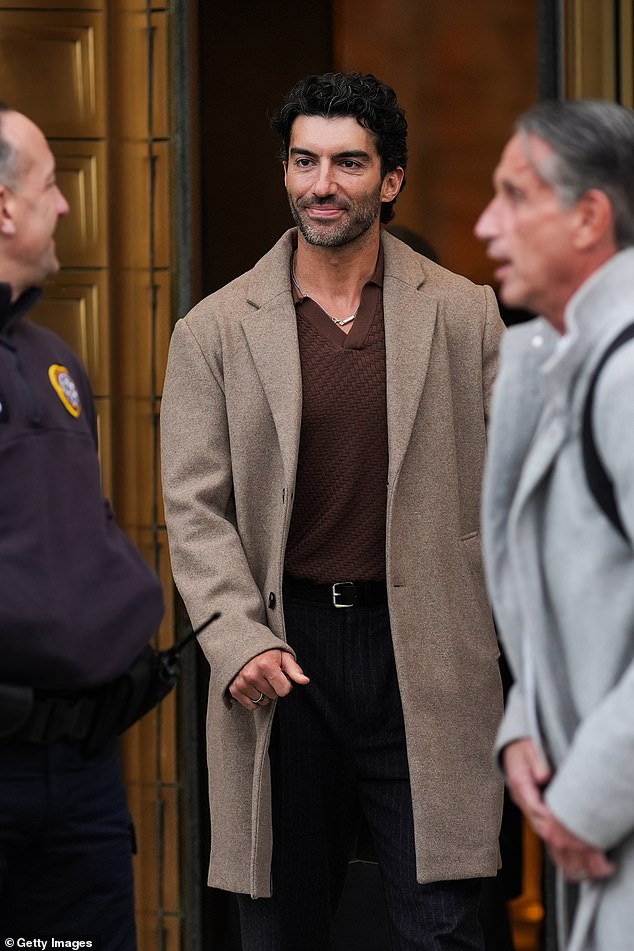
The much-discussed legal entanglement between Hollywood stars Blake Lively and Justin Baldoni is far from over, despite an earlier settlement. Lively is reportedly heading back to court, demanding significant damages from her It Ends With Us co-star and director, Baldoni, even after their initial case was seemingly resolved. This latest development centres on Lively’s claim that Baldoni should compensate her for costs incurred due to a defamation lawsuit he initiated against her, a suit that was ultimately dismissed by a judge.
The stakes are reportedly high, with Lively seeking reimbursement for her legal fees and associated costs, alongside triple compensatory damages and punitive damages. While the exact sum Lively is demanding remains undisclosed, the sheer scale of their protracted legal battle suggests the figure will be substantial. Reports indicate that both Lively and Baldoni have already expended an estimated $60 million on legal representation throughout their dispute, pointing towards a potential seven-figure claim from Lively.
Unpacking the Legal Proceedings
This ongoing legal drama stems from a complex series of accusations and counter-accusations. Initially, Blake Lively launched her own lawsuit against Baldoni, seeking a staggering $160 million in damages. Her initial claims included allegations of sexual harassment and a deliberate “smear campaign” orchestrated by Baldoni after she reportedly spoke out against his alleged conduct on the set of the film It Ends With Us, which premiered in August 2024.
However, the tide turned in April when a judge dismissed the majority of Lively’s case, including all the sexual harassment allegations. Shortly thereafter, both parties reportedly reached a settlement, with no financial exchange taking place at that time.
The upcoming hearing, scheduled for Monday at the federal court in Manhattan, will provide each side with a 30-minute window to present their arguments to the court. The proceedings are expected to be concise, as neither Lively nor Baldoni is anticipated to be in attendance. Had the initial trial proceeded, it was projected to span three weeks.
The California Law at the Centre of the Dispute
A key element underpinning Lively’s current claim is a relatively new piece of legislation passed in California in 2023. This law, enacted in response to the #MeToo movement, is designed to shield individuals from retaliatory defamation lawsuits when they come forward with allegations of sexual impropriety.
Baldoni’s defamation lawsuit against Lively, her husband Ryan Reynolds, and The New York Times was filed in January 2025, a month after Lively had initiated her legal action against him. He sought $400 million, asserting that Lively’s allegations were false. This lawsuit was ultimately dismissed in November of the previous year. The judge’s decision was based on the fact that Lively had initially made her allegations to the California Civil Rights Department, a move that granted her statements protection under privilege.
Lively’s Legal Team’s Argument
In a legal filing, Michael Gottlieb, Lively’s lawyer, articulated the grounds for her current demands. He stated that the relevant California law mandates “severe and mandatory penalties against any party who files unsuccessful retaliatory defamation actions against sexual harassment and retaliation complainants.” Gottlieb argued that as long as Lively made her statements “without malice” – meaning she genuinely believed them to be true – she should have been afforded the right to share her experiences without the threat of legal repercussions.
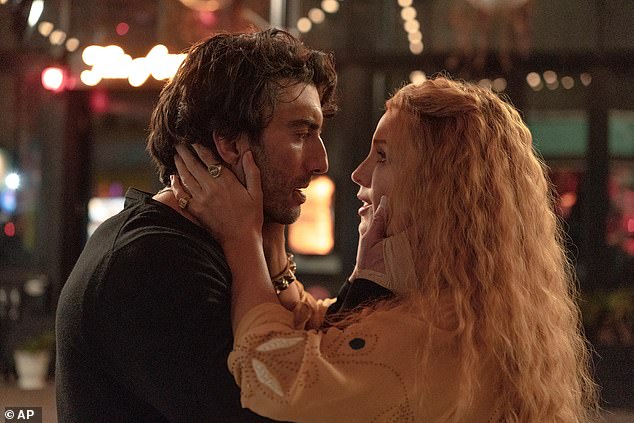
Gottlieb further elaborated on the legislative intent behind the law, asserting that the California Legislature aimed to deter litigation that would otherwise compel survivors to endure lengthy and costly retaliatory defamation lawsuits. He posited that the law imposes “significant remedies for successful defendants in defamation claims.” According to Gottlieb, Baldoni’s lawsuit against Lively represents the “prototypical suit” that this specific legislation was created to prevent. Consequently, as the “prevailing defendant,” Gottlieb contended that Lively is entitled to more than just attorneys’ fees and costs; she should also receive tripled compensatory damages and punitive damages.
Broader Implications for Free Speech and Litigation
Blake Lively’s proactive legal stance has, however, raised concerns among some First Amendment experts. They express apprehension that such actions could inadvertently discourage individuals from pursuing legal recourse. Dustin Pusch, a lawyer specialising in First Amendment cases, shared his perspective with The New York Times, suggesting that the law might make individuals who have been falsely accused of serious offences like sexual assault or harassment reconsider taking their cases to court to defend their reputation.
Adding another layer of intrigue to the upcoming hearing, the ruling by the judge will be final, with neither side possessing the right to appeal the decision. This means the outcome of Monday’s proceedings will bring a definitive close to this particular chapter of the Lively-Baldoni legal saga.