
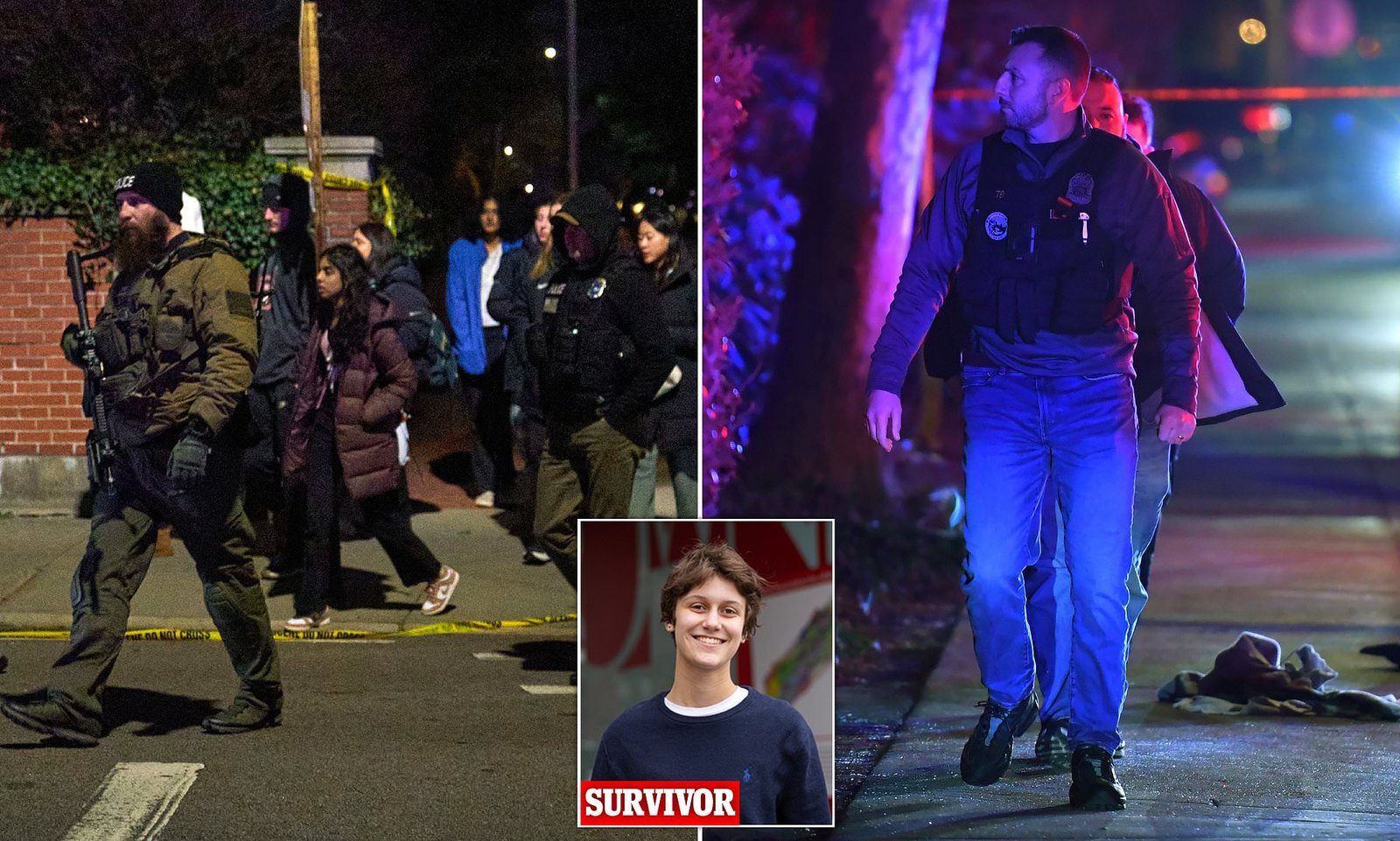
Survivor’s Anguish: Another Campus Shooting Rocks Brown University
A sophomore at Brown University, already a survivor of the horrific Parkland school shooting, expressed profound anger and disbelief after experiencing a second campus gun violence incident. Zoe Weissman, 20, recounted the moment a friend alerted her to a “shelter in place” order, triggering immediate, debilitating memories of the 2018 tragedy.
“I think mentally, you know, I feel like I’m 12 again,” Weissman stated, her voice heavy with emotion during a television interview. “This just feels exactly like how I felt in 2018. But honestly, I’m really angry. I’m really angry that this is happening to me all over again, and I’m just in shock.”
Weissman’s experience highlights a growing and deeply concerning trend: individuals surviving multiple school shootings. She pointed to the existence of students who survived the Oxford High School shooting in Michigan, only to then attend Michigan State University and endure another mass shooting there. “This isn’t a new phenomenon, and we’re going to get to a point where there’s people like myself who survived two of these,” she warned. This repeated trauma underscores the urgent need for action, as Weissman asserted that “no one is safe” until lawmakers implement meaningful changes.
The 2018 Marjory Stoneman Douglas High School shooting in Parkland, Florida, where Nikolas Cruz murdered 17 people and injured 17 more, remains a scar on the nation’s consciousness. Weissman’s perspective from that event, and now from Brown University, serves as a stark testament to the pervasive threat of gun violence in educational institutions.
“I think that my experience is so important because it shows that no one is safe from this until our congresspeople actually decide to do something and care about children, care about their constituents, care about people in this country,” Weissman pleaded. “This will continue to happen, and there will be more people like me who have survived several school shootings.”
Chaos and Investigation at Brown University
The incident at Brown University unfolded on a Saturday, disrupting final exams. Authorities reported that a shooter, described as wearing dark clothing, killed at least two individuals and wounded nine others. The suspect was last seen fleeing an engineering building where the attack occurred.
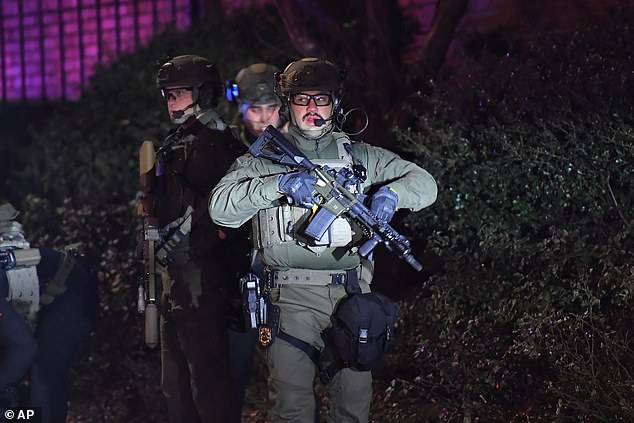
Law enforcement launched an extensive search, combing through campus buildings and meticulously examining potential hiding spots for hours after the shooting began. Timothy O’Hara, Deputy Chief of Police, confirmed the description of the male suspect.
Mayor Brett Smiley issued a shelter-in-place order for the affected area, urging residents and students to remain indoors and refrain from returning to their homes until the alert was lifted. He assured the public that “all available resources” were being deployed to apprehend the suspect.
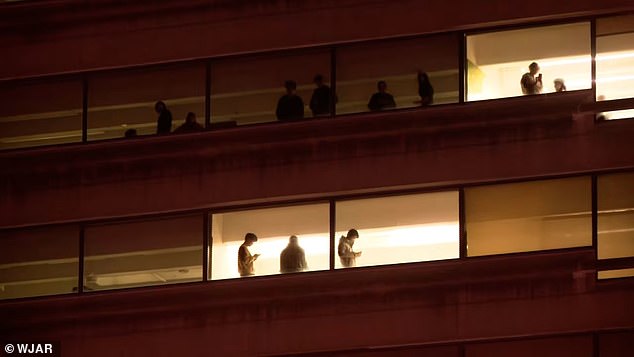
The shooting took place in the vicinity of the Barus & Holley building, a seven-story complex housing the School of Engineering and the physics department. This building is equipped with over 100 laboratories, numerous classrooms, and offices, and was actively hosting engineering design exams at the time of the attack.
Student Accounts of Fear and Shock
Students on campus described a scene of confusion, fear, and profound shock. Alex Bruce, a senior biochemistry student, was working on a research project in his dorm across the street when he heard sirens. He received a text alert about an active shooter shortly after 4 p.m. and found himself “shaking,” observing armed officers surrounding his building. He expressed concern for a friend he believed might have been in the engineering building at the time of the shooting.
Chiangheng Chien, a doctoral student in engineering, was approximately a block away from the Barus & Holley building. Upon receiving the alert, he and others in a nearby lab sought refuge under desks, extinguishing the lights.
Mari Camara, a junior from New York City, was exiting the library when the shooting began. She rushed into a nearby taqueria for shelter, spending over three hours there, texting friends while police conducted their search. “Everyone is the same as me, shocked and terrified that something like this happened,” she conveyed.
National Response and Broader Implications
The incident drew a response from the highest levels of government. President Donald Trump stated that he had been briefed on the shooting and remarked, “It’s a shame,” adding, “all we can do right now is pray for the victims.” The Federal Bureau of Investigation (FBI) also confirmed its involvement in assisting with the response efforts.
Brown University, a highly respected Ivy League institution, enrolls approximately 7,300 undergraduates and over 3,000 graduate students. The annual cost for tuition, housing, and other fees approaches $100,000. The recurrence of such violence on a campus known for its academic prestige raises critical questions about the broader societal failures to address gun violence and ensure the safety of students nationwide.
The Toll of the Shooting
The immediate aftermath saw multiple victims transported to Rhode Island Hospital. According to hospital spokesperson Kelly Brennan, eight individuals with gunshot wounds arrived. Six were in critical but stable condition, while another was in critical condition and one was stable.
Conflicting initial reports from university officials, which first stated a suspect was in custody before retracting that information, added to the confusion and anxiety among the campus community. A person initially believed to be involved was detained but later cleared.
Providence Councilmember John Goncalves, whose district includes the Brown campus, expressed his heartbreak. “As a Brown alum, someone who loves the Brown community and represents this area, I’m heartbroken. My heart goes out to all the family members and the folks who’ve been impacted,” he said, urging people to “lock their doors and to stay vigilant.”
The shooting at Brown University serves as a chilling reminder of the ongoing epidemic of gun violence and its devastating impact on individuals, communities, and the fabric of American society.