Chancellor’s Economic Response Lacks Vision Amidst Crisis
The recent economic pronouncements from the Chancellor have been met with widespread disappointment, sparking concerns about the nation’s trajectory amidst a significant energy crisis. Instead of presenting a robust plan to address the escalating challenges, the Chancellor’s statement has been criticised as a missed opportunity, potentially exacerbating inflation and increasing borrowing costs, thereby deepening an already concerning economic slump.
Many observers express profound apprehension that the individual tasked with steering the nation’s economy appears ill-equipped and devoid of innovative solutions. A decisive Chancellor, it is argued, would have unveiled a comprehensive package of measures designed to counter the multifaceted threats facing the country. Alternatively, a clear justification for inaction, framed as a strategic advantage, would have been more reassuring than a perceived lack of direction.
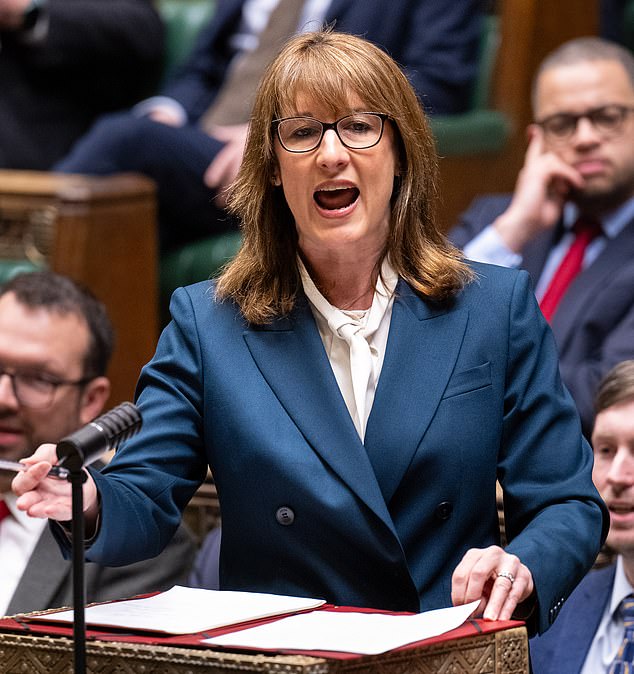
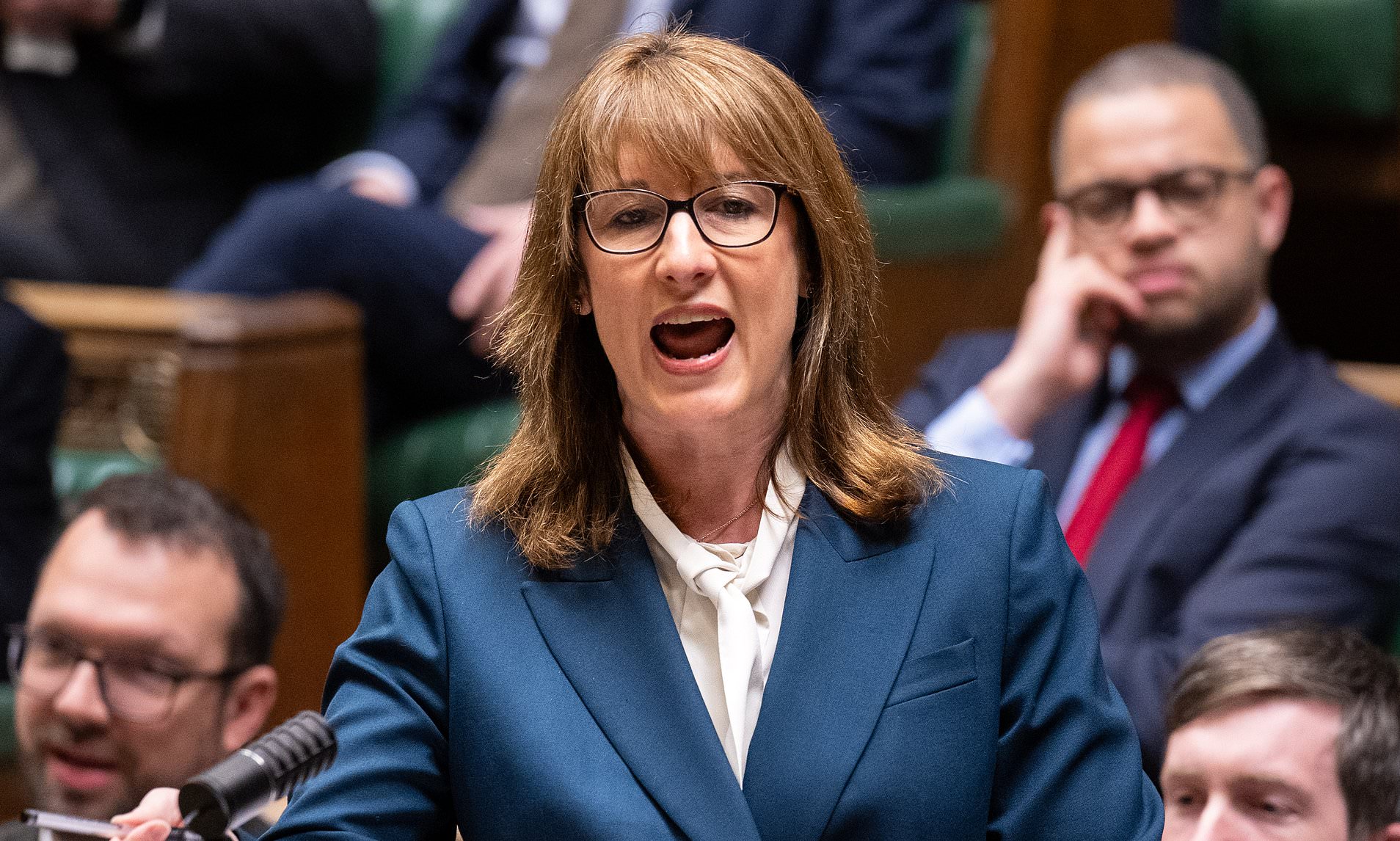
Instead of offering concrete solutions, the Chancellor’s recent address in Parliament was perceived as a partisan broadside against alleged corporate profiteering, coupled with a reiteration of long-standing criticisms of a fiscal policy implemented in 2022. This focus on past events, rather than present challenges, has drawn considerable scrutiny. For context, the Chancellor has held their position for significantly longer than the brief tenure of the previous administration, prompting calls for greater accountability for current decisions and a move away from politically charged responses to a global economic predicament.
What Could Have Been Done?
The question on many minds is what proactive steps could, or indeed should, have been taken. A primary and potentially impactful move would have been to reconsider and potentially reverse what are described as “ruinous and dangerous” green policies championed by the Energy Secretary. Specifically, authorising increased North Sea oil and gas production could have offered immediate relief.
- Boosting Domestic Energy Production:
- Accelerating investment in drilling, extraction, and refining processes for North Sea resources.
- Easing market anxieties surrounding the nation’s reliance on imported gas, particularly from volatile regions.
- This measure, it is argued, would have swiftly alleviated concerns about Britain’s dependence on gas shipments from overseas and natural gas sourced from other nations.
The current taxation regime, including a substantial levy on oil and gas drillers – reportedly among the highest in the Western world – has been identified as a significant impediment to new investment. This is seen as particularly ironic, given the public discourse surrounding “price-gouging.”
The assertion from certain political and media circles that removing such taxes and encouraging new drilling would have no bearing on the cost of household energy bills or fuel prices is being challenged. Critics contend that this argument is disingenuous. The logic presented is that increased domestic drilling leads to greater energy security, potentially lower prices for consumers, and a more substantial national energy reserve during periods of global market volatility. The inability, or unwillingness, to grasp this fundamental economic principle raises questions about the Chancellor’s suitability for the role.
Fiscal Prudence and Economic Stimulus
Beyond energy policy, a second critical area for action involves demonstrating a commitment to fiscal responsibility. Reassuring financial markets, often referred to as “bond vigilantes,” that spending is under control is paramount. The nation is already incurring substantial costs in servicing its national debt, a figure described as unsustainable.
- Controlling Public Expenditure:
- Implementing an immediate freeze on public sector pay and recruitment. These areas have seen significant growth since the current government took office.
- Addressing the dramatic expansion of the welfare budget, which has reportedly ballooned to a level exceeding the entirety of the nation’s income tax revenue.
This expansive welfare spending is not only deemed unaffordable but is also criticised for potentially trapping individuals in a cycle of dependency. While presented as a policy choice, it is viewed by some as a strategic move to cultivate a larger voter base for the governing party, albeit at the cost of individual opportunity and long-term economic health.
Fostering Entrepreneurship and Investment
Thirdly, the Chancellor had the opportunity to implement measures designed to invigorate entrepreneurship and enterprise. Small businesses, in particular, could benefit from immediate relief through the removal of certain tax policies that are seen as detrimental to family-run enterprises and sole traders.
- Supporting Business Growth:
- Abolishing stamp duty on share trading, which is reportedly prompting businesses to relocate to overseas financial centres like New York. This could significantly boost investment in publicly listed British companies.
- Considering a temporary amnesty from Her Majesty’s Revenue and Customs (HMRC) to encourage wealth creators who have relocated abroad to return, thereby revitalising domestic investment and economic activity.
Market Expectations and Monetary Policy
The current market sentiment suggests a strong likelihood of the Bank of England raising its base interest rate multiple times this year. Such an action could stifle any nascent signs of economic recovery, a prospect that many economic commentators are cautiously optimistic about.
It is argued that the Governor of the Bank of England should maintain the current interest rate, or even consider a reduction in borrowing costs. This would provide a much-needed financial safety net, particularly in the current climate where, as one commentator put it, “with Reeves in charge, do we need it.”