
Business Leaders Slam “Botched” Reforms as Crippling Taxes Threaten High Street Survival
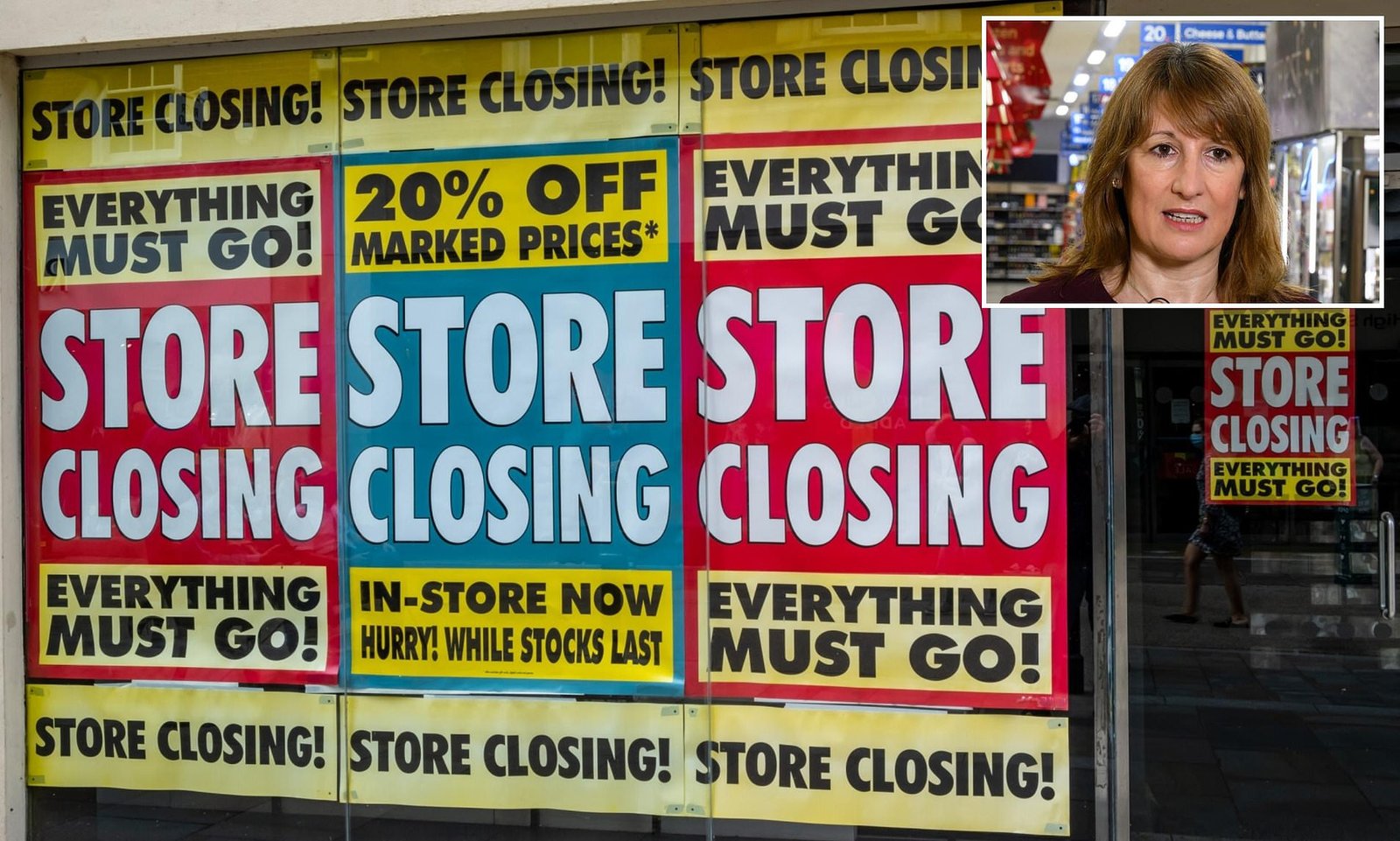
A wave of discontent is sweeping through Britain’s business community as industry leaders voice grave concerns over the government’s recently announced business rates reforms. The Chancellor’s promises of a fairer property tax system have been met with accusations of deception, with businesses warning that the current trajectory is “killing high street firms.”
The sentiment is echoed by prominent industry bodies, who have been vocal in their criticism of the Budget’s impact. Andrew Goodacre, chief executive of the British Independent Retailers Association (BIRA), representing approximately 8,500 stores, stated that businesses have been left feeling “battered and betrayed” by the Labour administration. Similarly, Jonny Haseldine from the British Chambers of Commerce highlighted the increased “festive worry” among businesses, particularly as the crucial Christmas period approaches, noting that the announced changes have amplified anxieties.
The core of the controversy lies in the government’s stated intention to alleviate the burden on smaller businesses by increasing taxes on larger properties, aiming to “level the playing field between the high street and online giants.” However, emerging details reveal a starkly different outcome, with many small businesses set to face escalating bills.
Tina McKenzie, policy chair at the Federation of Small Businesses (FSB), articulated the disappointment felt by independent traders. “High street small businesses – pubs, cafés, salons, grocers, and the other independent traders who add colour and life to our towns and communities – did not see the help with business rates they wanted and needed from the recent Budget,” she commented. McKenzie further warned that “many small retail, hospitality and leisure businesses will see their bills shoot upwards next spring and over the coming years, and concern is rising that a higher business rates bill could be the final straw for many small firms.”
Evidence from BIRA paints a concerning picture of the disparity in the reforms’ impact. According to their analysis, an Amazon warehouse in Coventry is slated to see an 11.5 per cent increase in its rates bill. In contrast, a nearby Sainsbury’s superstore is expected to experience a 7 per cent reduction. However, a small independent retailer operating in the same town is bracing for a staggering 15 per cent increase.
Goodacre criticised the Chancellor’s approach, suggesting that “the opportunity to do as little as possible” was taken, leaving smaller businesses to “bear more of the burden.” This sentiment is further fuelled by the fact that small businesses will receive a meagre 5p discount on the ‘multiplier’ used to calculate their bills, a far cry from the 20p reduction they had advocated for. This small concession is likely to be entirely negated by increases in businesses’ rateable values, which are projected to rise for many next year. Compounding these issues, the government has also withdrawn a Covid-era relief discount, adding further financial strain.
The negative repercussions of these reforms are not confined to the retail and hospitality sectors. Analysis by tax firm Ryan indicates that a broad spectrum of businesses will experience significant cost increases. Pharmacies are anticipating an 11 per cent rise in their rateable values, while salons and offices are both facing a 14 per cent increase, portending substantial hikes in their April bills. The firm’s previous analysis had already highlighted that approximately 3,480 retail properties would collectively pay an additional £112 million in rates from April.
The aviation sector is also feeling the pinch. Gatwick Airport has announced an increase in its drop-off and pick-up charge from £7 to £10, citing an anticipated rise in its rates bill from around £40 million to £90 million over the next three years. Muniya Barua, deputy chief executive at BusinessLDN, described these increases as “dealing yet another blow to an already stalling economy.” She added that the reforms would “lead to a huge hike in costs for some sectors, with the capital’s airports in particular expected to see a big jump in their bills at a time when they have ambitious investment plans for the UK.”
Ros Morgan, chief executive of Heart of London Business Alliance, echoed these concerns, noting that the impact extends beyond hospitality. “It’s not just bars, pubs and hotels that are facing shock increases in their rates bills next April. Our theatres, galleries and casinos, as well as offices and gyms, are all bracing themselves for bigger bills. Businesses and high streets are reeling as the implications sink in,” she stated.
In a striking visual protest, over 50 pubs have displayed “No Labour MPs” signs, a campaign initiated by restaurateurs in Dorset. Anthony Pender, owner of the Somers Town Coffee House, expressed his disbelief, calling the Chancellor’s claims of savings and positive policy “an absolute fallacy.” He questioned whether this was due to a “lack of understanding or a concerted effort to deceive the general public.”
Emma McClarkin, chief executive of the British Beer and Pub Association, lamented the disappointment felt by the pub sector. “Pubs have been let down. This Budget had the chance to back the sector with meaningful reform, but instead they gave us 5p discount which doesn’t touch the sides of astronomical new bills that will devastate landlords,” she asserted.
CBI chief economist Louise Hellem characterised the government’s approach as a “rob Peter to pay Paul” strategy. While acknowledging that some sectors might see less of a hit due to this redistribution, she stressed that “for those in retail and hospitality – particularly larger stores in retail – there was less support than they would have liked.” Hellem concluded that the Budget’s outcome was a “compromise position,” with significant rate increases still affecting many, particularly those in sectors like airports facing substantial bill hikes.