Rising Concerns in Queensland’s Residential Care Sector
A recent report has raised serious concerns about the financial practices within Queensland’s residential care sector, revealing that CEOs are being paid up to $679,000 annually while some providers are investing in gold and cryptocurrency. This alarming trend has sparked outrage among child safety advocates and government officials.
The findings come from a Financial Review of Non-Family-Based Residential Care, prepared for the Commission of Inquiry into Child Safety System by KPMG. As the commission prepares for two weeks of hearings on the costs of residential care, these revelations have highlighted significant issues within the system.
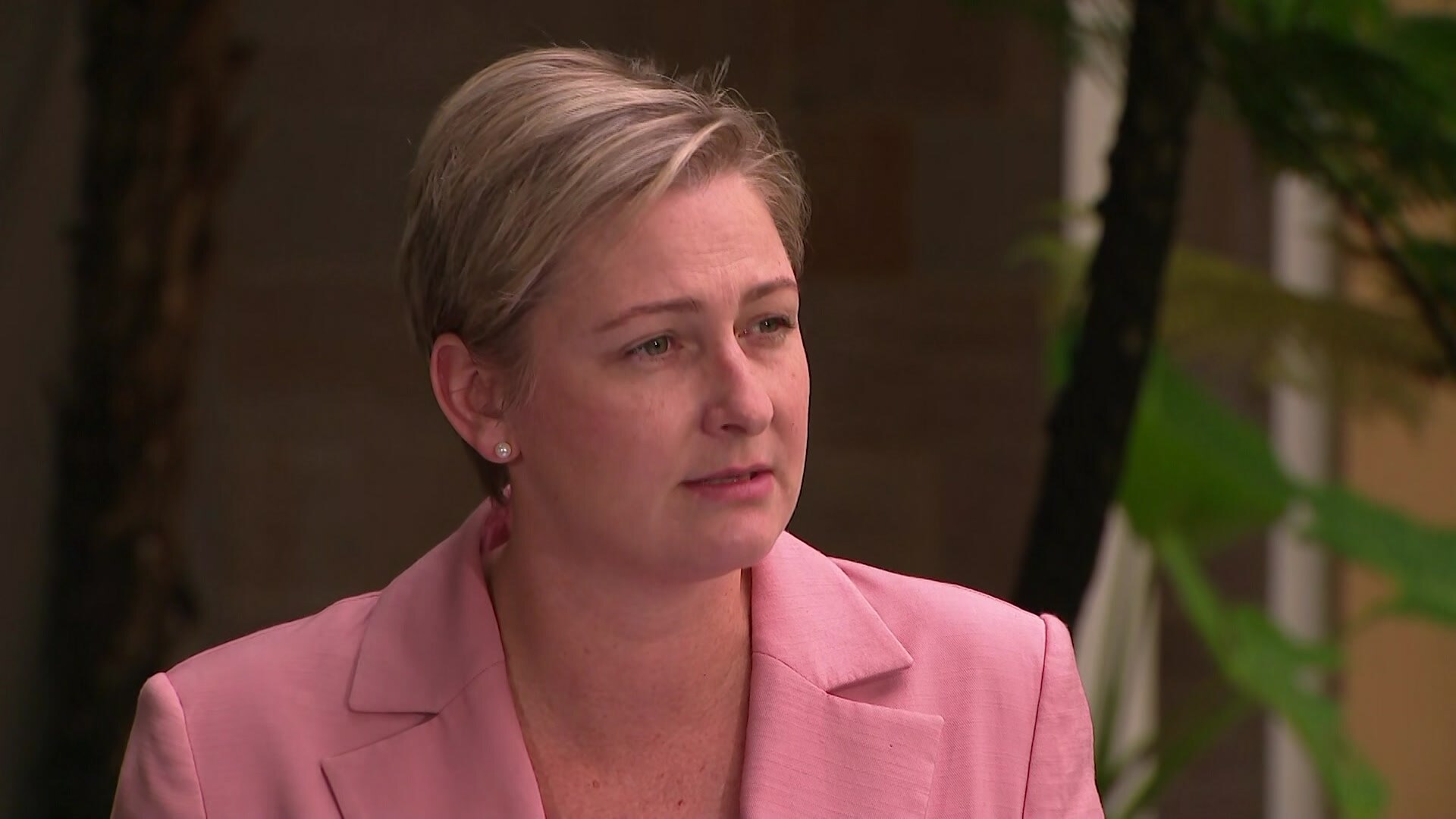
Minister for Child Safety, Amanda Camm, described the findings as “nothing short of disgraceful.” She emphasized that the situation should cause real concern for Queenslanders, particularly regarding the care of the state’s most vulnerable children over the past decade.
Soaring Costs and Unethical Practices
Over the past ten years, the cost of residential care has surged from $200 million per annum to $1.2 billion per annum. The creation of this market has led to exorbitant CEO salaries, with some receiving between $400,000 to $679,000 annually. In one instance, a CEO’s salary represented 21% of the provider’s revenue.
The report also revealed that some providers were investing in high-value assets such as gold and cryptocurrency. One provider was found to have invested $242,000 in gold and $100,000 in cryptocurrency, along with owning two Mercedes-Benz vehicles and paying $140,000 in dividends to owners.
Ms. Camm criticized these practices, stating that profits reported by providers are often unreliable indicators of financial performance, making it difficult to assess service delivery effectively.
Funding Disparities Among Providers
In the 2024/25 financial year, 163 providers received an average of $7.2 million in funding for delivering residential care services in Queensland. However, the review found that the top 15 providers received half of the total residential care funding.
Of the 163 providers, 125 were unlicensed, a group that has been increasing in size over the past four years, now accounting for 77% of all providers. While licensed services are certified under the Human Services Quality Framework (HSQF), unlicensed providers are regulated and monitored by the department but not subject to certification assessment processes.
Government Response and Future Plans
Ms. Camm mentioned that the government is transitioning from high-cost for-profit individual placement supports to longer-term contracts. However, she warned of the risks associated with ending contracts, noting that each contract represents a child in care.
Efforts are being made to work closely with licensed providers to increase placement numbers while expanding fostering and kinship care placements. The goal is to transition children into safe, stable placements where their best interests are prioritized over the profiting interests of shareholders.
The government has already ended the contract of one provider, and if corrupt or criminal behavior is uncovered, appropriate referrals will be made. The commissioner is expected to release his final report and recommendations on May 22.
Ongoing Investigations and Public Concern
As the investigation continues, the public remains concerned about the treatment of vulnerable children and the integrity of the child safety system. The findings highlight the urgent need for transparency and accountability within the residential care sector.
With ongoing hearings and a final report expected soon, the focus will remain on ensuring that the best interests of children are placed above all else. The government and regulatory bodies must take decisive action to address these issues and restore public confidence in the system.