


Navigating Global Vaping Regulations: Essential Advice for Festive Season Travellers
As the festive season approaches, millions of Britons are preparing to embark on international journeys, with an estimated over five million expected to travel abroad for Christmas and New Year celebrations. Projections indicate a significant surge in holidaymakers, with a staggering 23 million trips anticipated in the final quarter of the year. Amidst this widespread wanderlust, a crucial warning has been issued to travellers regarding a common mistake related to vaping.
Dan Merchant, Director at Vape Club, has underscored the importance of pre-trip research into the vaping regulations of destination countries. With the global popularity of vaping continuously evolving, so too are the laws that govern its use. These regulations are not static and can vary dramatically from one nation to another.
Strict Bans and Potential Penalties Abroad
Several popular tourist destinations have implemented outright bans on vaping. Countries like Singapore and Thailand, for instance, have prohibited the practice entirely. Travellers found in violation of these strict laws face more than just inconvenience; they could be subject to substantial fines or even more severe repercussions.
Merchant emphasizes, “As vaping grows in popularity globally, the laws surrounding it are constantly changing. It’s crucial for vapers to check the local vaping laws of their destination before booking their trip to avoid potential fines, or even more severe consequences if vaping is banned in that country.”
The consequences of non-compliance can be significant. In Cyprus, for example, vaping is illegal in public areas and within private vehicles if a child is present. Those caught flouting these rules could face fines of up to €850, which equates to approximately £744. Similarly, in Hungary, public vaping can result in a hefty penalty of around $980 (£732).

The Rise of the Illegal Vape Market
The stricter regulatory environments in some countries have unfortunately contributed to the growth of the illegal vape trade. Merchant notes, “The illegal vape trade has grown in countries where vaping is under strict regulation and mirrors the issues once prevalent in the cigarette black market, including youth usage, potentially dangerous products, and unregulated retail sales.” This parallel to the historical issues with illicit cigarette markets highlights concerns about product safety and accessibility to minors.
To mitigate the risk of encountering these potentially dangerous and unregulated products, travellers are advised to bring their own vaping devices and supplies for personal use to countries that permit limited quantities.
In-Flight Vaping: A Strict No-Fly Zone
Beyond destination-specific rules, travellers must also be aware of regulations concerning vaping during air travel. Vaping is strictly prohibited on aeroplanes departing from the UK. Infringing this rule can lead to a substantial fine of up to £5,000, alongside an airline ban.
Therefore, it is essential to pack vaping devices correctly. While vapes should be kept in hand luggage, using them on board is a serious offence.
Essential Packing and Carry-On Guidance
For those travelling to destinations where vaping is permitted, proper packing is paramount. Merchant advises, “For those travelling to vaping-friendly destinations by plane, remember to pack your batteries and vaping devices in your carry-on luggage. This ensures they remain in a pressure-controlled environment, as they’re not allowed in checked baggage.”
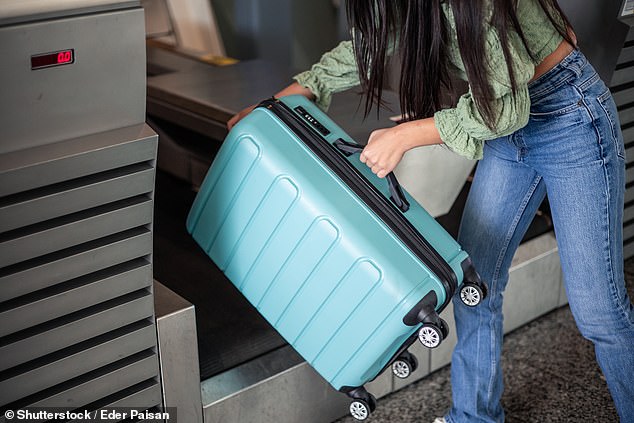
This directive stems from safety concerns regarding lithium batteries. In recent months, numerous airlines have implemented stringent policies prohibiting power banks and batteries in checked luggage. This is due to the inherent risk of lithium batteries overheating, a phenomenon known as thermal runaway, which can lead to fires in the cargo hold. Damaged lithium-ion batteries are particularly prone to igniting aggressively and releasing highly toxic fumes.
Understanding and adhering to these regulations, both at your destination and during your flight, will ensure a smoother and more enjoyable festive travel experience, avoiding potentially costly and disruptive penalties.