Transforming Agricultural Waste into Medical Innovations: A South Dakota Collaboration
South Dakota Mines and Dakota Bioworx have embarked on an ambitious partnership aimed at revolutionizing the utilization of agricultural byproducts. This groundbreaking collaboration focuses on transforming corn plant waste, a ubiquitous agricultural residue, into high-value biomaterials. These novel materials hold the potential to unlock significant medical breakthroughs and simultaneously invigorate the economic landscape of South Dakota.
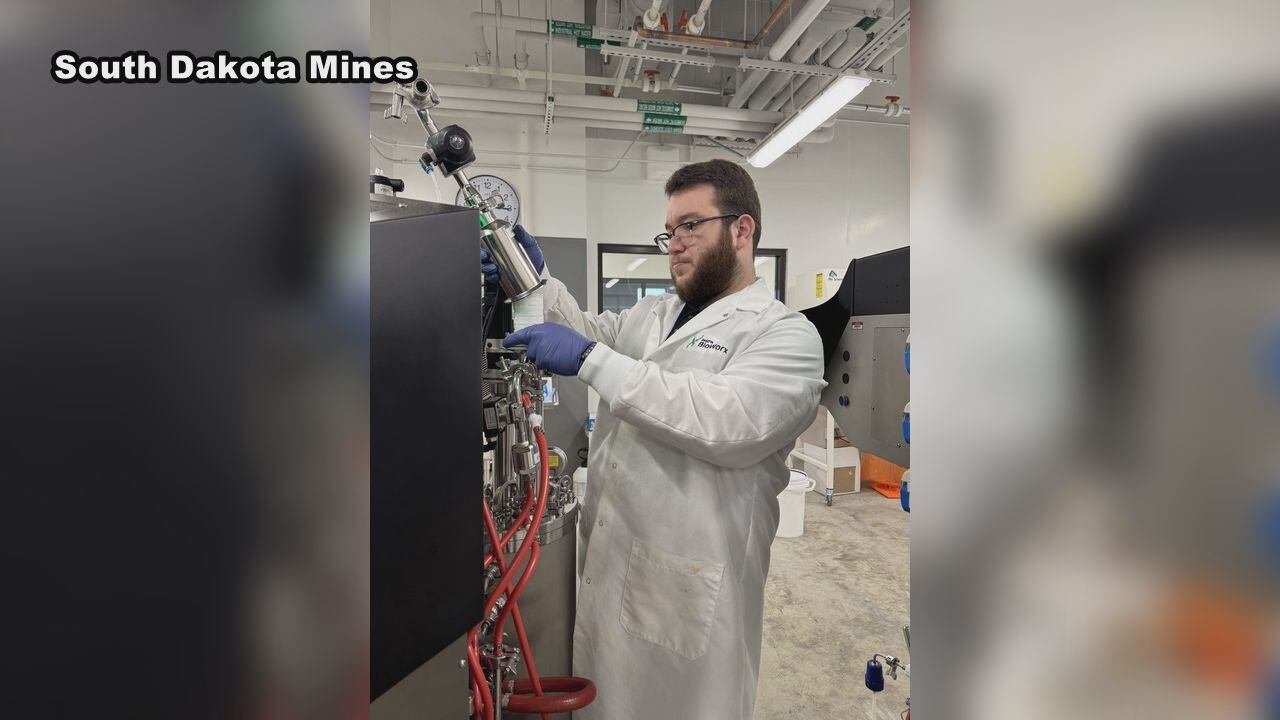
The initiative officially commenced production last month at Dakota Bioworx’s state-of-the-art pilot plant located in Brookings, South Dakota. The initial phase of operations involved small-scale, 30-liter fermentations, laying the groundwork for more extensive production. The partners have outlined a clear trajectory for rapid scaling, with plans to transition to industrial volumes in the near future. This strategic expansion is expected to foster the creation of new employment opportunities within the burgeoning biomanufacturing sector and provide invaluable hands-on training experiences for students enrolled at South Dakota institutions.
The core objective of this project is multifaceted: to imbue agricultural leftovers with significant added value while simultaneously cultivating and strengthening local expertise in the fields of biotechnology and advanced manufacturing. By pioneering new methods to extract and refine valuable compounds from what was previously considered waste, the collaboration seeks to establish a sustainable and economically beneficial cycle within the state’s agricultural and industrial sectors.
The Science Behind the Innovation
The process hinges on sophisticated biotechnological techniques to break down the complex organic matter found in corn plant waste. These techniques typically involve:
- Biochemical Pretreatment: This initial step aims to break down the tough structural components of the plant material, such as cellulose and hemicellulose, making them more accessible for subsequent processing. Various methods, including enzymatic hydrolysis or mild chemical treatments, can be employed here.
- Fermentation: Once the plant material is broken down into simpler sugars and other nutrient components, it becomes a feedstock for microbial fermentation. Specific strains of bacteria, yeast, or fungi are introduced into controlled environments (fermenters) to metabolize these components and produce desired biomaterials. This is the stage where Dakota Bioworx began its pilot production with 30-liter fermentations.
- Extraction and Purification: After fermentation, the target biomaterials need to be separated from the fermentation broth and purified to meet specific quality standards. This often involves a series of complex separation techniques, such as filtration, chromatography, and crystallization, depending on the nature of the biomaterial.
- Material Development: The purified biomaterials are then further processed and formulated into usable forms for various applications. This could involve creating specialized polymers, bioactive compounds, or other advanced materials tailored for specific industries.
Potential Applications and Economic Impact
The high-value biomaterials derived from corn waste hold immense promise across a spectrum of industries, with a particular focus on healthcare. Potential applications include:
- Biomedical Devices: The development of biocompatible materials for implants, prosthetics, and drug delivery systems. These materials could offer improved integration with the human body and reduced rejection rates.
- Therapeutics: The extraction of bioactive compounds with pharmaceutical properties, potentially leading to new treatments for diseases or the development of novel drug precursors.
- Sustainable Packaging: The creation of biodegradable and eco-friendly packaging materials, reducing reliance on petroleum-based plastics and addressing environmental concerns.
- Advanced Composites: The utilization of these biomaterials in the creation of strong, lightweight composite materials for various industrial applications, from automotive parts to construction.
The economic implications of this partnership are substantial. By creating a market for agricultural waste, farmers can potentially see an additional revenue stream. Furthermore, the establishment of biomanufacturing facilities will lead to the creation of skilled jobs, fostering economic growth and diversification within South Dakota. The hands-on training provided to students will equip them with the cutting-edge skills needed to thrive in the evolving biotechnology and advanced manufacturing sectors, ensuring a pipeline of talent for future innovation. This initiative positions South Dakota at the forefront of the bioeconomy, transforming agricultural abundance into advanced technological solutions.