
Amplifying the Deaf Voice: A Call for Recognition and Opportunity
A powerful chorus is rising from the deaf community, a unified demand for recognition, respect, and the chance to fully participate in society. For far too long, deaf individuals have been relegated to the periphery, forced to navigate a world that frequently overlooks or marginalizes their presence. The silence that has characterized their experience is no longer passive; it has become deafening, signaling an urgent imperative for change.
The current reality for many deaf graduates is a stark indictment of societal failure. Individuals possessing academic qualifications are often found selling wares on the streets, a heartbreaking testament to untapped potential and unfulfilled dreams. This situation is not merely unfortunate; it is a direct consequence of systemic barriers that prevent deaf individuals from accessing the opportunities they deserve.
The financial burden of education is a significant hurdle. Deaf students often face the dual expense of tuition fees and the cost of sign language interpreters. This double financial strain makes higher education an unattainable goal for many, effectively barring them from pursuing their aspirations and contributing their unique talents to the workforce. This is not just an issue of access; it is a matter of fundamental dignity. It is about acknowledging the inherent worth and capabilities of deaf individuals and providing them with the pathways to contribute meaningfully to society. Their silence is not a deficit but a strength, offering a distinct perspective that can enrich communities and challenge conventional thinking.
Systemic Change: Pillars of Inclusion
The deaf community is articulating a clear roadmap for systemic change, advocating for concrete measures that will foster genuine inclusion:
- Mandatory Sign Language Interpreters in Higher Education: Ensuring that universities provide readily available and mandatory sign language interpreters would dismantle a critical barrier, making education accessible to all deaf students. This would not only empower individuals but also enrich academic environments with diverse perspectives.
- Deaf Youth Representation in Government: The inclusion of deaf youth representatives in every ministry is crucial. This ensures that the voices and concerns of the deaf community are directly heard and considered in policy-making processes, leading to more equitable and effective governance.
- Merit-Based Job Opportunities: The demand is for job opportunities that align with the skills and qualifications of deaf individuals, rather than being offered out of pity or sympathy. This promotes professional growth, economic independence, and the recognition of deaf talent in the professional sphere.
The message from the deaf community is unequivocal: they are not seeking handouts. They are requesting the opportunity to contribute their skills and labor. They are not asking for sympathy; they are demanding the recognition of their fundamental rights as equal members of society. The deafening silence has transformed into a powerful call to action, urging policymakers, educators, and community leaders to actively listen and implement tangible steps towards inclusion.
Addressing the Stark Realities
The statistics paint a grim picture that underscores the urgency of this movement:
- Unemployment Rates: Deaf individuals are a staggering 50% more likely to be unemployed compared to their hearing counterparts. This disparity highlights a systemic failure to integrate deaf talent into the workforce.
- Higher Education Access: Deaf students are 30% less likely to pursue higher education. This lower participation rate perpetuates a cycle of marginalization, often stemming from a lack of accessible educational pathways and understanding.
This cycle of marginalization is perpetuated by entrenched systemic barriers and a pervasive lack of understanding regarding the capabilities and needs of the deaf community. It is imperative to recognize that the deaf community is not merely a minority group but a vibrant and diverse population with its own distinct language, rich culture, and compelling history. Within this community are artists, writers, educators, innovators, colleagues, friends, and family members. The call for inclusion is, in essence, a demand for recognition as equal citizens, possessing the same rights and opportunities as everyone else.
Forging a Path Towards a Truly Inclusive Future
The path forward requires a collective effort to dismantle existing barriers and cultivate an environment where deaf individuals can thrive. This involves a fundamental shift in societal perception, moving away from viewing deafness as a limitation and embracing it as a unique characteristic that contributes to human diversity.
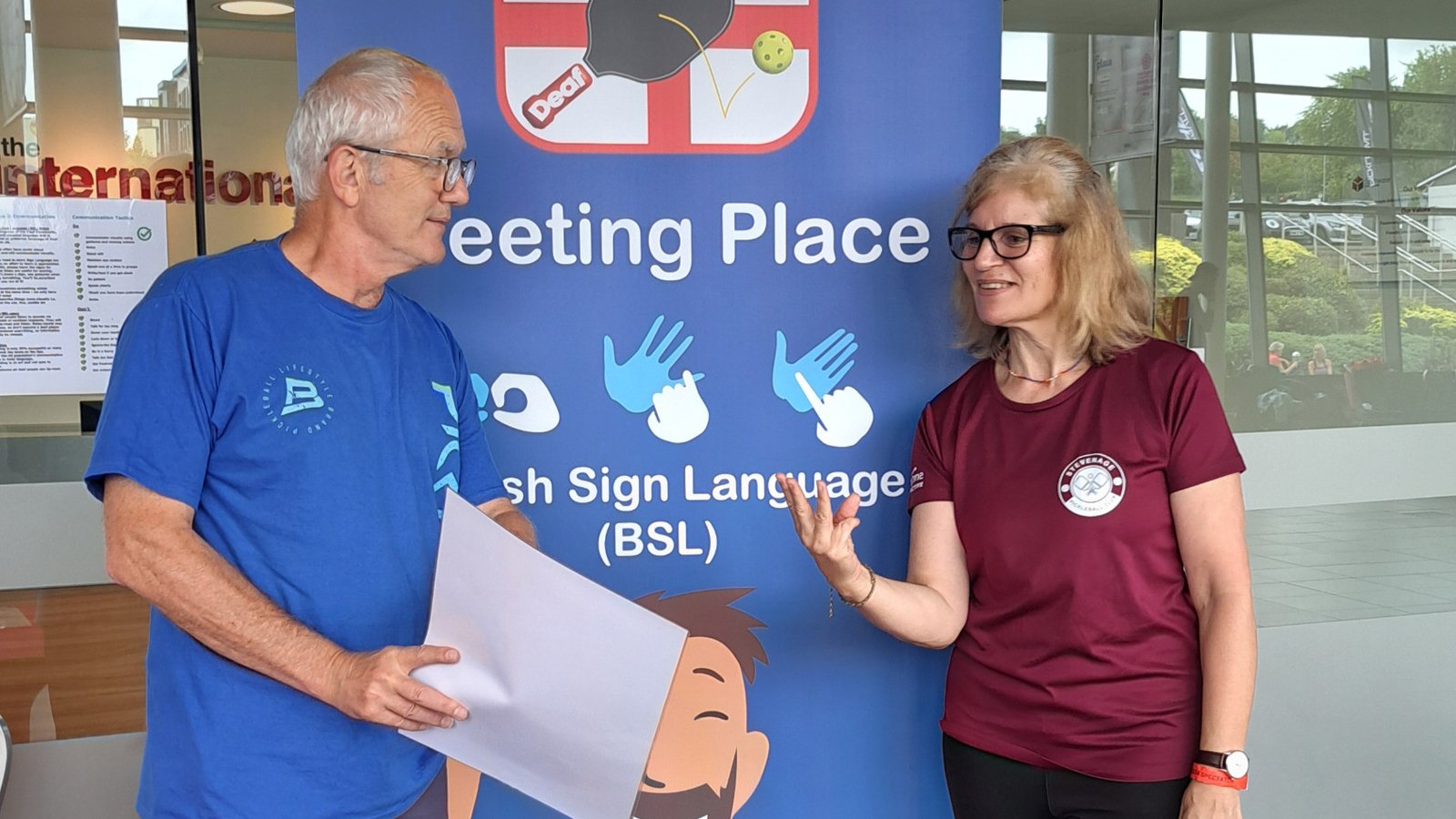
By working together, we can construct a society that not only accommodates but actively values and empowers deaf individuals. This means fostering environments where sign language is recognized and utilized, where communication is accessible, and where opportunities are equitable. The current status quo is unacceptable; it is time to unlock the immense potential of deaf youth and build a society that truly champions their contributions. The hope is that these voices will be heard, and these demands for equality and opportunity will be met, ushering in an era of genuine inclusion.