
Groundbreaking Nasal Test Could Detect Dementia Decades Before Symptoms Appear
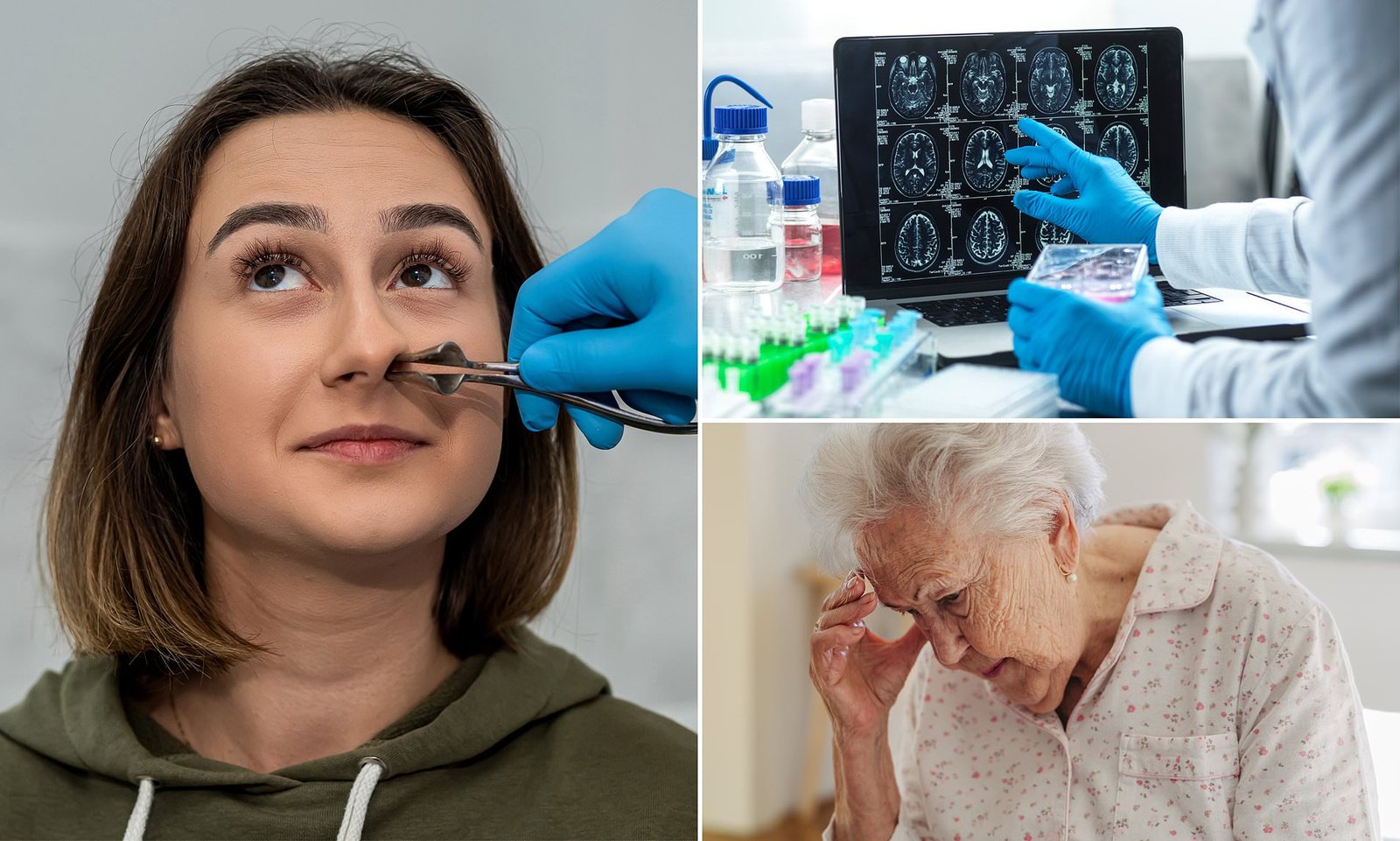
British scientists are on the cusp of a potential revolution in dementia diagnosis, with research suggesting a simple nasal test could identify the condition up to decades before clinical symptoms manifest. This innovative approach, spearheaded by researchers at the University of Southampton, hinges on the detection of specific protein traces within the nose, offering a glimpse into the brain’s health long before cognitive decline becomes apparent.
The implications of such an early detection method are profound, particularly as a new generation of dementia drugs emerges that are most effective when administered in the initial stages of the disease. Currently, obtaining a dementia diagnosis can be a lengthy and arduous process, often involving significant waiting times for brain scans and cognitive assessments at specialized memory clinics. This delay can mean missing the crucial window for effective treatment.
Unlocking the Brain-Nose Connection
At the heart of this research lies the discovery of a communication pathway between the brain and the nose. Professor Roxana Carare, a leading figure in the project at the University of Southampton, explained the significance of this finding: “We’ve shown for the first time that there is a pathway of communication between the brain and the nose, and the next step is to show whether that could be harnessed to make really early diagnoses.”
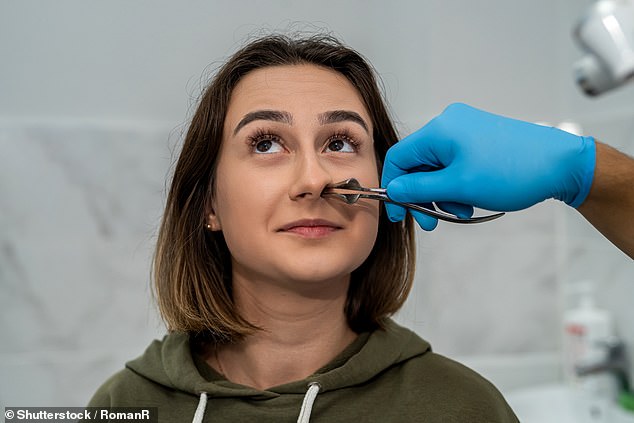
The research team is now focused on developing a non-invasive test, potentially a simple scan or swab, that can identify “unique signatures” – specific patterns of proteins – indicative of future dementia development. The hope is that this test could provide results within minutes, dramatically accelerating the diagnostic process and enabling timely intervention.
Targeting Specific Forms of Dementia
Beyond general detection, the researchers are optimistic that this nasal test could even differentiate between various forms of dementia. This would be a significant advancement, allowing clinicians to tailor treatment plans more precisely to an individual’s specific condition. Identifying the exact type of dementia early on could lead to more targeted therapies and improved patient outcomes.
The Pilot Study and Key Proteins
A crucial next step involves a trial with 50 patients already diagnosed with dementia with Lewy bodies. This specific form of dementia affects approximately 140,000 individuals in Britain and is characterized by the presence of alpha synuclein, a hallmark protein. The study will also investigate neurofilament light, a protein that signifies general brain degeneration and is already used to monitor the progression of Alzheimer’s disease.
Professor Rami Salib from University Hospital Southampton has already identified both alpha synuclein and neurofilament light in nasal tissue samples from healthy adults undergoing sinus surgery. While older individuals naturally showed higher levels, suggesting an age-related increase, the trial aims to establish whether individuals with confirmed dementia exhibit a distinct protein signature compared to healthy individuals. The ultimate goal is to identify specific patterns in younger adults who later develop dementia.
“There is plenty of work to be done but we have the basis of something that could potentially be transformative,” Professor Salib stated, underscoring the potential impact of their findings.
Future Developments and Funding
The research team, supported by funding from the Jean Corsan Foundation, is actively exploring the development of a test that utilizes laser light to analyze nasal tissues. This technological advancement could further refine the accuracy and efficiency of the diagnostic process.
This pioneering work comes at a critical time, with dementia remaining the UK’s leading cause of death, claiming an estimated 76,000 lives annually. Early diagnosis is paramount for effective management and treatment, and this nasal testing approach holds immense promise for transforming how we identify and combat this devastating disease.

The ongoing efforts to understand and defeat dementia are bolstered by initiatives like the Defeating Dementia campaign, which aims to heighten public awareness, encourage early diagnosis, stimulate research, and improve the quality of care for those affected by the condition. The potential of a simple, early, and precise diagnostic tool like the nasal test represents a significant beacon of hope in this ongoing battle.