
The Perils of Plastic Wrap: Rethinking Your Kitchen Habits
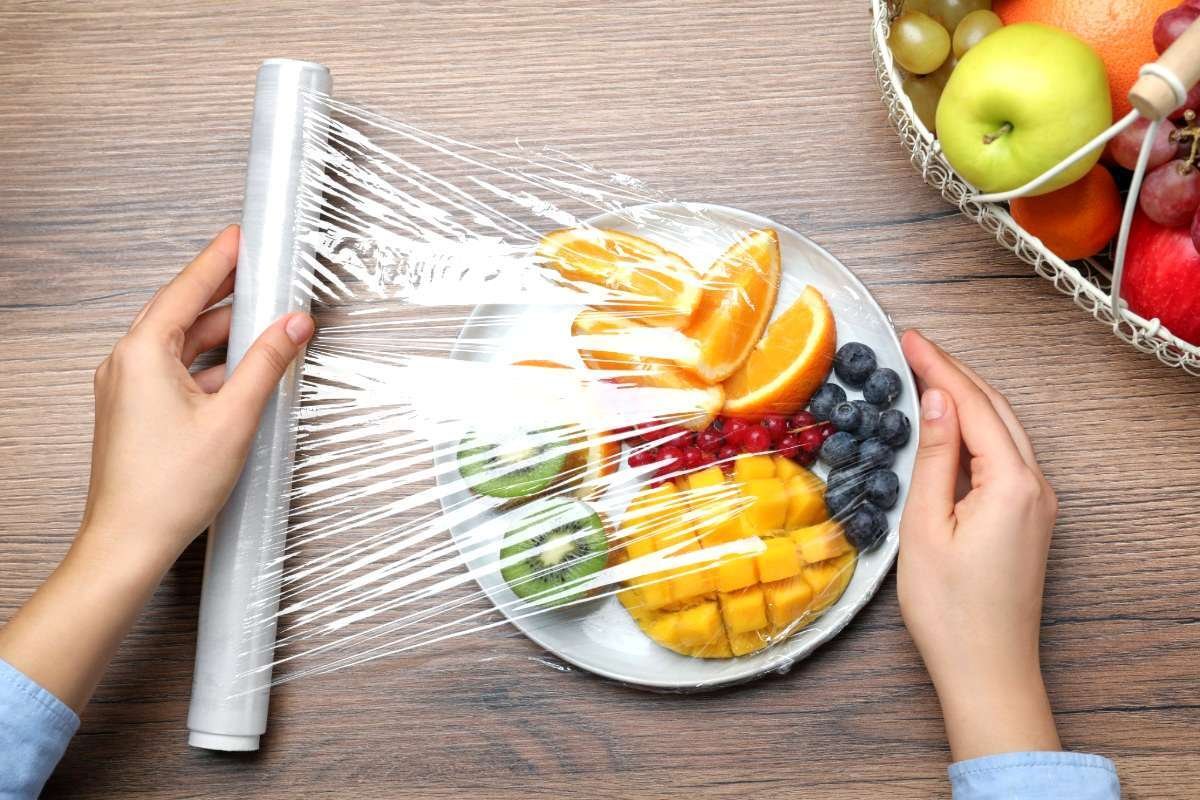
Plastic wrap, a seemingly indispensable item in most Malaysian kitchens, is often used without much thought. We stretch it over dishes, smooth the edges, and pop them into the refrigerator. However, experts are now cautioning against the potential health risks associated with its use, particularly when it comes into direct contact with certain types of food.
The Ubiquitous Presence of Plastic Wrap
Plastic wrap has become a kitchen staple due to its convenience, affordability, and ease of use. It provides a barrier against air and odours, preserving food and keeping it fresh. However, this convenience may come at a cost.
Health Concerns: A Closer Look
Microbiologist Christophe Mercier-Thellier describes plastic wrap as a potential “horror” for our health. The primary concern lies in its composition. Many plastic wraps are made of PVC and may contain phthalates, chemicals classified as endocrine disruptors. These substances can migrate from the plastic into the food, posing a health risk.
- Fatty Foods: A Higher Risk: Foods with high fat content are particularly vulnerable to this migration. Lipids in fatty foods can accelerate the extraction and transfer of plastic compounds. Therefore, wrapping cheese, rich sauces, or hot dishes with plastic wrap presents a greater risk compared to wrapping a loaf of bread for a short period.
- Expert Warnings: Toxicologist Stéphane Firmin supports these concerns, emphasizing that even plastics approved for food contact can release harmful particles when misused or exposed to high heat. Microwaving food covered with plastic wrap significantly increases the risk of exposure to these particles.
- Cumulative Exposure: Even small amounts of chemical migration from each use can accumulate over time, leading to a significant overall exposure. This highlights the importance of adopting safer food storage practices.
Safe Alternatives for Food Storage
Fortunately, there are several reusable and safe alternatives to plastic wrap that offer the same convenience without the potential health risks.
Glass Jars: These are ideal for storing leftovers, sauces, and pre-prepared ingredients. Glass provides a non-reactive barrier, preventing any contact between the food and potentially harmful chemicals.
Reusable Silicone Lids: These lids are made from food-grade silicone and can stretch to fit a variety of bowls and dishes, creating an airtight seal.
Aluminium Foil: While useful for occasional needs, aluminium foil should be used sparingly and never in the microwave.
Important Considerations for Plastic Wrap Usage
If you choose to continue using plastic wrap, it is crucial to follow the instructions on the packaging carefully.
- Avoid Heating: Never heat food covered with plastic wrap in the microwave, as this can significantly increase the risk of chemical migration.
- Limit Contact with Fatty Foods: Minimize direct contact between plastic wrap and hot or very fatty foods.
- Check Microwave Compatibility: If the packaging indicates that the wrap is microwave-safe, ensure that it is used according to the manufacturer’s instructions.
Re-evaluating Our Habits
Making small changes to our food storage habits can significantly reduce the risks associated with plastic wrap. Opting for durable containers, limiting direct contact between wrap and sensitive foods, and using it only when truly necessary are all steps in the right direction.
By reducing the amount of plastic that comes into contact with our food, we can protect our health and minimize our environmental impact.