
The Pervasive Reach of Egypt’s Military Economy
A casual observation on the streets of Cairo reveals a striking reality: the Egyptian military’s influence extends far beyond the barracks and into the very fabric of daily commerce. From burger joints and hotels to the cement used in infrastructure projects and even the petrol dispensed at stations, the identifier “Huwa gaysh” – “That’s army” – is a recurring refrain. This pervasive presence highlights a significant aspect of Egypt’s economic landscape, where military-produced goods are readily available in the general market, a phenomenon noted by researchers and economists alike.
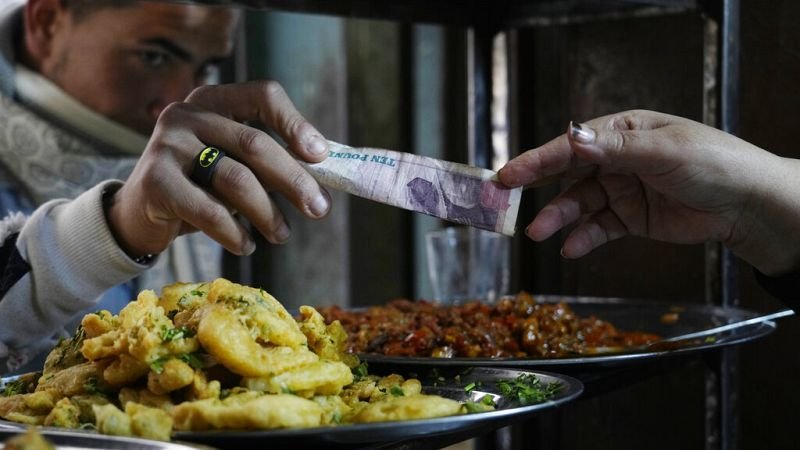
The ubiquity of these military-affiliated enterprises is so pronounced that it has become a talking point for those living within the country. Even a culinary staple like koshary, recently recognized by UNESCO for its intangible cultural heritage, likely features ingredients sourced from military production facilities. This integration of military manufacturing into the civilian economy is a subject of considerable discussion and analysis.
A Historical Entrenchment
The military’s deep involvement in Egypt’s economy is not a recent development. Its roots trace back to the mid-20th century, a period marked by post-independence nation-building and regional conflicts. Military officers who governed Egypt from the 1950s onward strategically employed the armed forces to consolidate state control.
President Gamal Abdel Nasser, a pivotal figure in Egypt’s modern history, played a significant role in bringing the army into civilian production. This initiative, undertaken during a turbulent era following independence and amid ongoing conflicts with Israel, aimed to leverage military resources for broader national development.
- The Genesis of Military Economic Involvement:
- The current scale of military economic participation did not originate with President Abdul Fattah al-Sisi.
- Its origins can be traced back to the early 1960s under the leadership of Abdel Hakim Aymer, who served as the head of the army during Gamal Abdel Nasser’s presidency.
- The underlying rationale was the military’s perceived ability to respond swiftly and effectively during times of national crisis, a factor that inherently reduced oversight and auditing processes.
Following Nasser, President Anwar es-Sadat further solidified the military’s economic footprint. In 1979, the same year Egypt signed a landmark peace treaty with Israel, es-Sadat established the National Service Projects Organisation (NSPO). This entity was specifically created to manage and oversee the military’s production of both military and civilian goods.
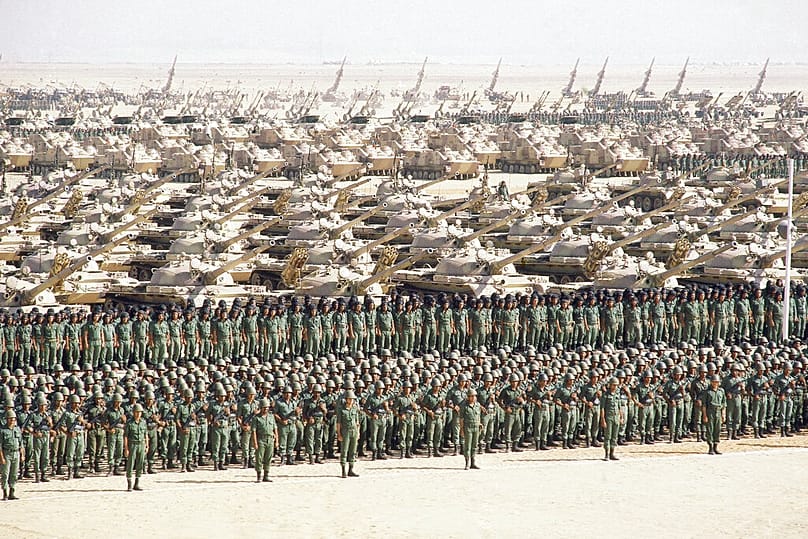
The peace treaty, while ushering in a new era of regional diplomacy, did not lead to a reduction in the size of the Egyptian armed forces. This presented a strategic challenge: how to maintain the military’s operational readiness and the loyalty of its senior officers in the absence of the traditional financial incentives derived from war and military campaigns. The establishment of lucrative subsidiaries under the NSPO emerged as a solution, providing a new avenue for resource generation and officer engagement.
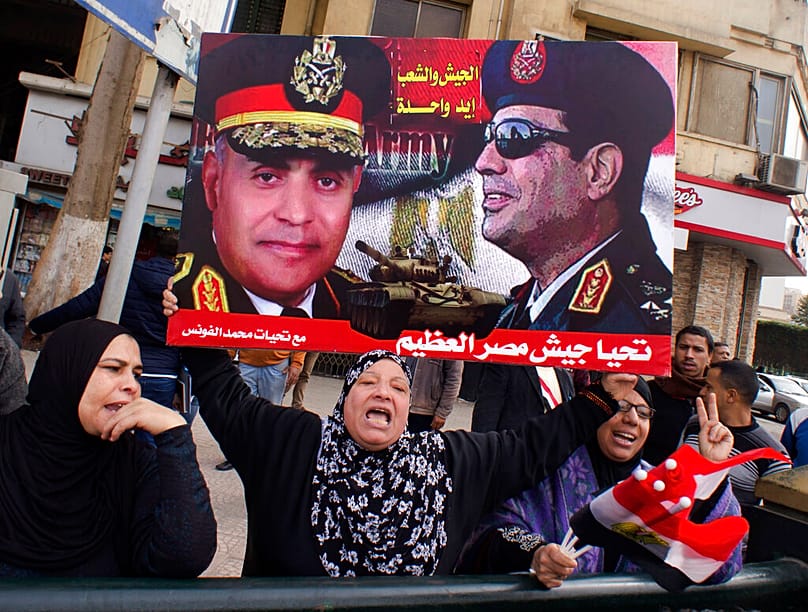
The 2011 revolution served as a catalyst for a dramatic expansion of the military’s economic power. Prior to 2011, the military’s share in various market sectors was relatively modest. However, in the aftermath of the revolution, its presence grew exponentially, particularly in “strategic” sectors such as cement and steel. This growth was bolstered by strong presidential backing and the military’s entrenched political dominance. The post-2011 era has been characterized by a significant increase in the sheer volume of military economic activity, alongside a more direct role for the military in shaping economic policy and state investment strategies.
Economic Ramifications and National Pride
Since 2015, Egypt’s economy has grappled with considerable challenges. Inflation has surged, reaching a peak of 38% in September 2023 before moderating to 12.3%, a rate substantially higher than that of the European Union. The Egyptian pound has also experienced significant depreciation since 2016, when the country delinked its currency from the US dollar. What once bought approximately 9 Egyptian pounds for a single euro now exceeds 55 pounds.
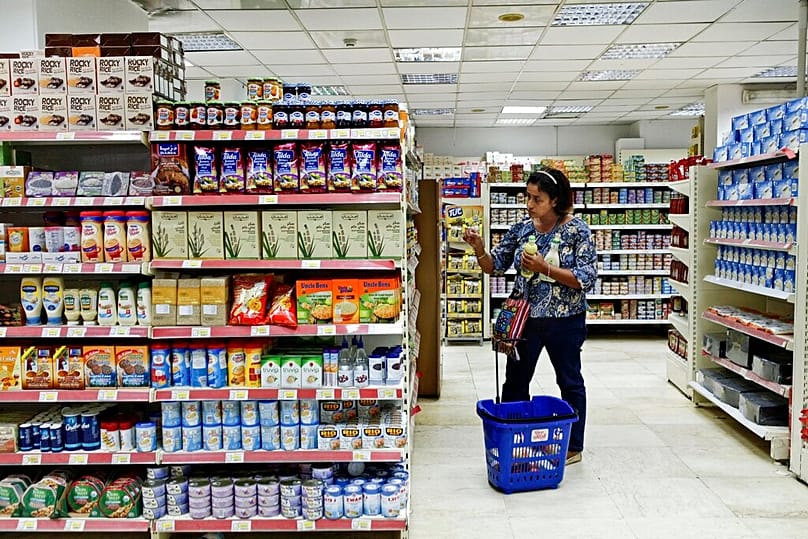
Amidst these economic headwinds, the military’s prominent role in the economy is sometimes viewed as a stabilizing factor. Proponents argue that military-produced goods can be offered at lower prices, making them more accessible to the average Egyptian consumer and contributing to the nation’s overall production capacity. This narrative is often intertwined with a sense of national pride, encouraging Egyptians to support these products, even if perceived quality might not always be on par with civilian alternatives.
- Perceived Benefits:
- Affordability of military-produced goods for the general population.
- Contribution to national production and self-sufficiency.
- Fostering a sense of national pride and support for the armed forces.
However, this extensive military involvement in the economy also presents significant drawbacks. A large-scale military production apparatus can inadvertently stifle competition, creating an uneven playing field that limits opportunities for private sector enterprises.
The precise extent of the military’s economic control remains an opaque subject. While data on market share for specific military-owned products, such as mineral water, might appear modest, the broader macro-economic impacts are more profound. These include the diversion of credit, which constrains the private sector’s access to funding, and the dominance of investment opportunities, which can diminish the incentive for private investment. Furthermore, the military’s substantial demand in certain sectors can drive up market prices and operating costs for private businesses.
The Challenge of Transparency and Reform
The pervasive nature of Egypt’s military economy has drawn international scrutiny and criticism. While some segments of the Egyptian government, particularly the Ministry of Finance and the Ministry of Investment and Development, are recognized for their reformist efforts, including digitalization and tax initiatives for the private sector, the path to liberalizing the economy is fraught with obstacles. The military’s deep entanglement in politics presents a significant hurdle, making rapid economic transformation a complex undertaking.
External financial support from Gulf nations and the European Union, despite concerns about the military’s economic dominance, may inadvertently provide Egypt with a degree of latitude in addressing these deep-seated economic issues.
A persistent challenge in the pursuit of economic liberalization is the profound lack of clarity surrounding the military’s financial holdings and the extent of its stake in various economic sectors. The question of what percentage of the Egyptian economy is controlled by the military is not only difficult to answer but may, in fact, be unknowable, with even those within the military potentially lacking a precise understanding of the full scope of their economic empire.