
Euphoria Season Three Finale: A Dramatic Farewell Marred by a Lack of Substance
The highly anticipated season three finale of the critically acclaimed series Euphoria has officially aired, marking the definitive end of the show. While the episode delivered a barrage of shocking plot twists, including three significant character deaths, the overall impact was ultimately diminished by what many viewers and critics are calling a profound lack of emotional depth. This season, much like its predecessors, has been a rollercoaster of teenage angst, addiction, and complex relationships, but the finale, in particular, has left audiences questioning whether the show delivered on its promise.

From its inception in 2019, Euphoria was lauded for its raw portrayal of adolescence, its stunning visual style, and its breakout performances, particularly from Zendaya. The series garnered significant critical acclaim, with its first two seasons racking up numerous Emmy nominations and wins. The initial seasons offered a compelling narrative centered around Rue’s (Zendaya) struggle with addiction, intricately weaving her journey with the lives of her peers at East Highland High. The five-year time jump in season three promised a fresh perspective, exploring how these characters had evolved beyond their high school years.
However, the intervening years and the extended hiatus between seasons seemed to have altered the show’s trajectory. Critics suggest that the essence of what made Euphoria so captivating in its early days was lost. Characters, who were once complex and relatable, appeared to have stagnated, failing to demonstrate significant growth despite the passage of time. The narrative focus on Rue’s addiction, a cornerstone of the earlier seasons, felt sidelined for much of season three, only resurfacing in a dramatic, albeit perhaps too convenient, manner towards the end.
Furthermore, the use of sex and nudity, which in previous seasons often served to advance the plot or explore character vulnerability, felt increasingly gratuitous and exploitative in season three. Many scenes appeared to cater to a male gaze, depicting female characters in compromising situations or as one-dimensional caricatures, stripping away the nuanced storytelling that had defined the show. This shift has led to accusations that the series had become the product of a singular, male perspective, losing the multi-faceted storytelling that resonated with a broader audience.
The Finale: A Cascade of Shocks, But Little Emotional Resonance
The season three finale, much like the preceding episodes, leaned heavily on shock value to create a memorable conclusion. While the expectation was for a gripping and poignant send-off, the episode ultimately delivered a series of dramatic events that prioritized generating headlines over providing a truly satisfying narrative resolution.
Key Plot Developments in the Finale:
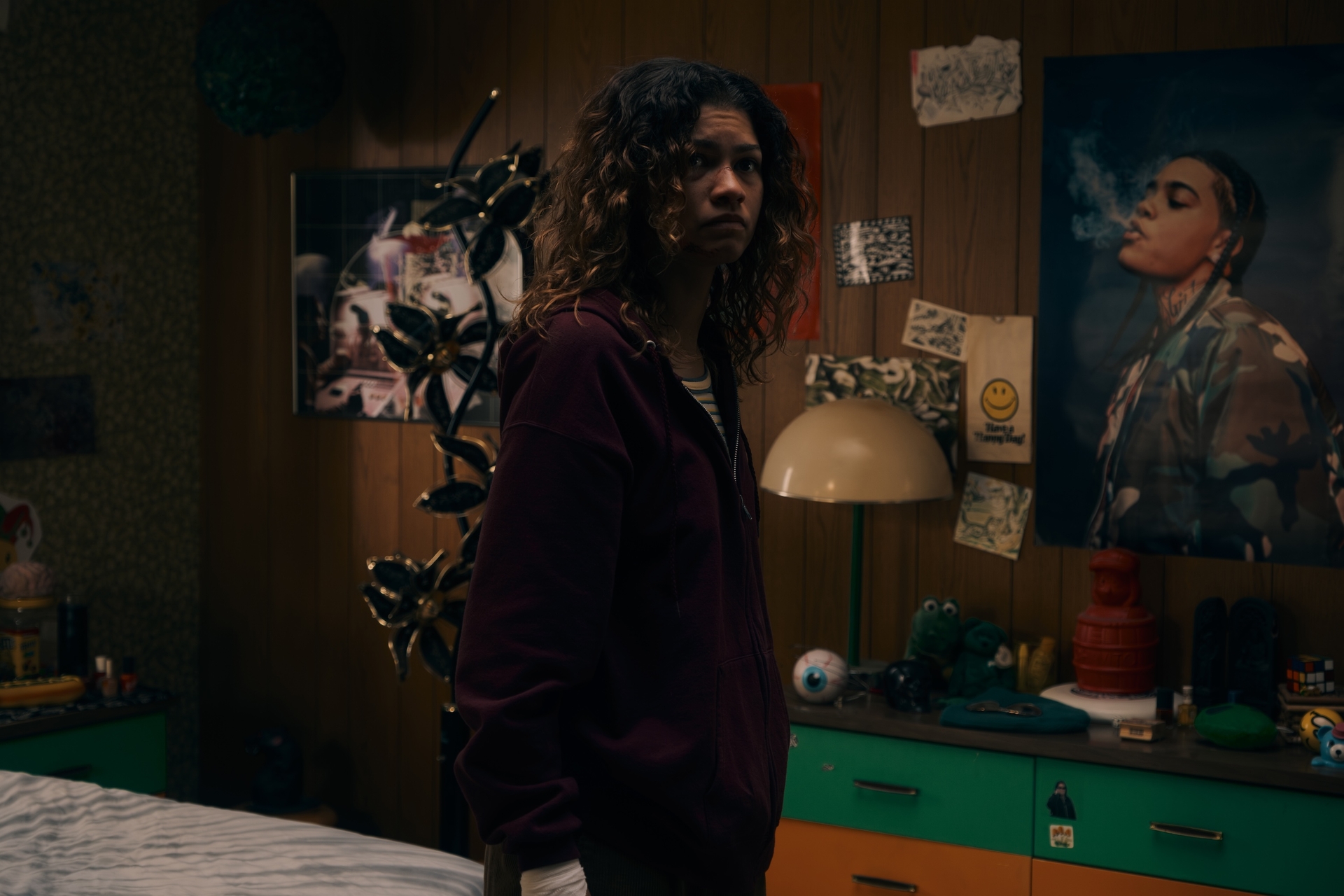
- Rue’s Overdose: In a twist that felt both tragic and somewhat contrived, Rue narrowly escapes a dangerous encounter with Laurie (Martha Kelly) and her drug operation. Laurie takes her own life to avoid arrest, while Faye (Chloe Cherry) and Wayne (Toby Wallace) flee. Rue, seeking solace and pain relief after returning to Alamo (Adewale Akinnuoye-Agbaje) – whom she had betrayed to the police – accepts prescription pills from her sponsor Ali (Coleman Domingo). Unbeknownst to Rue, and orchestrated by Alamo, these pills are laced with fentanyl, leading to a near-fatal overdose. This ending, while impactful, leaves many viewers questioning the narrative justification for her relapse after her previous struggles with sobriety.

- Cassie and Maddy’s Financial Woes: Cassie (Sydney Sweeney) and Maddy (Alexia Demie) find themselves entangled in a deal with Alamo to clear Nate’s (Jacob Elordi) debt. Their solution is to launch an OnlyFans content house, a move that places Maddy in a precarious position as Alamo develops a particular interest in her. The implication is that Maddy must resort to using her “womanly wiles” to maintain Alamo’s favour, a storyline that critics point to as further evidence of the show’s male-gaze-driven narrative.
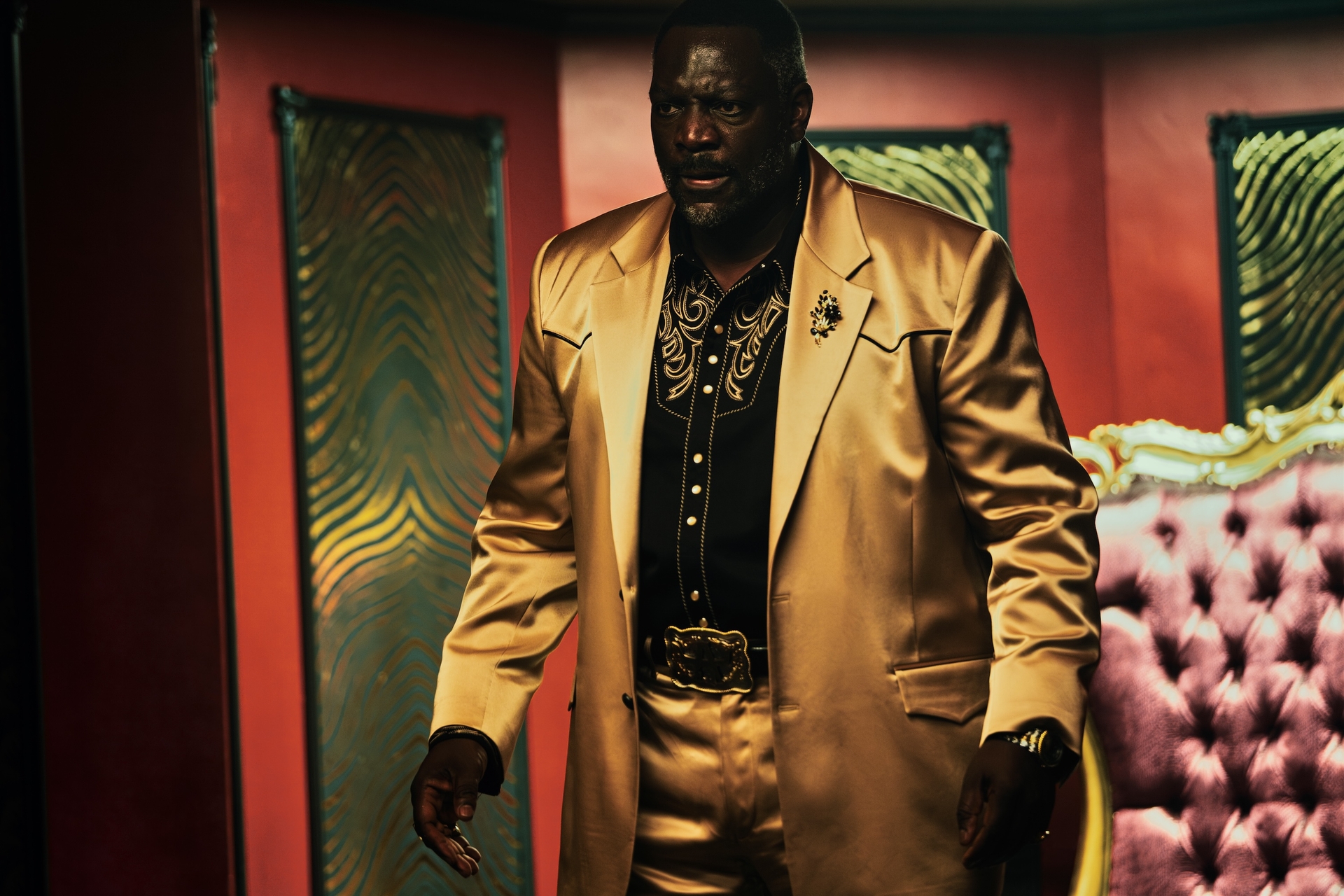
- Ali’s Revenge and Alamo’s Demise: The climax of the episode sees Ali seeking retribution against Alamo for his mistreatment of Rue. In a tense, western-style standoff at the Silver Sipper Club, Alamo is left disarmed when his right-hand man, Bishop (Darrell Britt-Gibson), fails to load his weapon. Ali shoots Alamo dead. The revelation that Bishop was the mastermind behind Alamo’s downfall, foreshadowed by an earlier snake analogy he used with Maddy, adds a layer of intrigue to the conclusion.
- The Aftermath: With Alamo out of the picture, Maddy and Cassie are freed from his influence. Ali, having exacted his revenge, revisits places significant to Rue’s life, while her school friends are left to grapple with the emotional fallout of her presumed death.
A Series Concluded, But With Lingering Questions
Until the finale aired, HBO and creator Sam Levinson had remained tight-lipped about the show’s future. The season three finale, with its significant deaths and dramatic resolutions, certainly provided the elements for a conclusive ending. However, it also left certain character arcs, particularly those of Cassie, Maddy, Lexi, and Jules, open-ended, fueling speculation about a potential season four.

Despite these lingering possibilities, HBO officially confirmed the series’ conclusion just hours after the finale’s premiere, answering prayers for those who felt the show had run its course. While Euphoria has undoubtedly delivered moments of brilliance and cultural impact, the consensus among many is that its final season, and particularly its finale, ultimately prioritised spectacle over substance, leaving audiences with a sense of unfulfilled potential. The show’s legacy will likely be debated, a testament to its divisive yet undeniable influence on contemporary television.