Faye Wei Wei: Crafting Ethereal Realms of Love, Mythology, and Nature
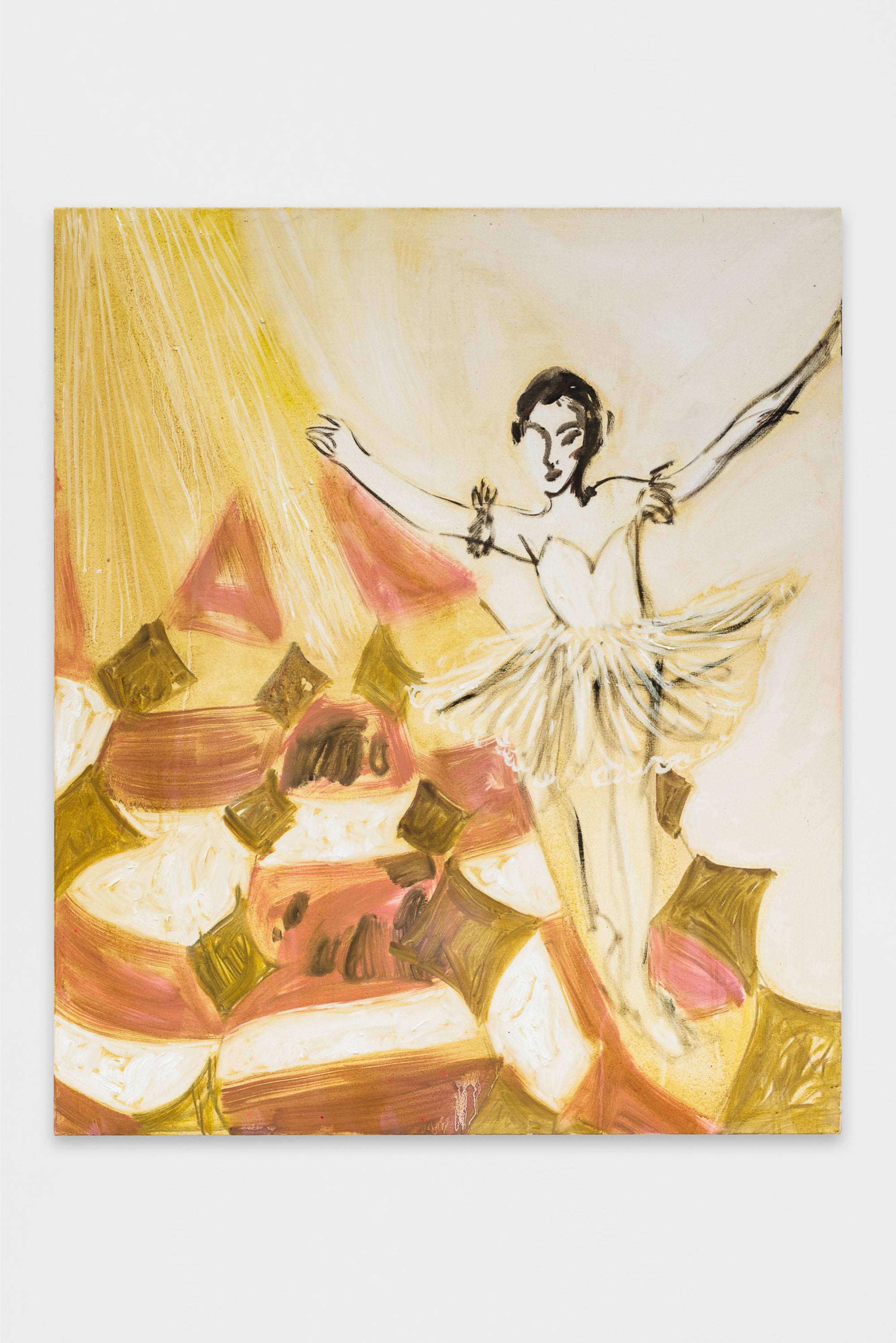
As the vibrant art scene of Hong Kong buzzes with international exhibitions, the spotlight turns to emerging female artists who are reshaping the landscape of figurative art. Among them, British-Chinese painter Faye Wei Wei stands out for her monumental oil paintings that transport viewers into enchanting, fantastical worlds. Her canvases are a rich tapestry woven from threads of love, mythology, and the intricate beauty of the natural world.
Wei Wei’s artistic journey began in her childhood in South London. While her siblings were engrossed in video games, she found solace and fascination in the textures and forms of nature, spending hours drawing and collecting flowers and leaves. Her summers in Hong Kong, the ancestral home of her parents, further fueled her imagination. The city’s dramatic skyline and mountainous vistas provided a unique backdrop for her burgeoning artistic explorations. By her teenage years, she was already experimenting with acrylics and oils, laying the groundwork for the distinctive style she would later develop.
The contemporary art world has rapidly embraced Wei Wei’s distinctive vision. Just two years after graduating from UCL’s Slade School of Fine Art in her early twenties, she was recognized by British Vogue as an artist “one to watch.” Her career has since ascended with exhibitions spanning Europe, Asia, and the United States. Collaborations with renowned fashion designers like Simone Rocha and Hannah Weiland have further cemented her status as a significant contemporary artist.
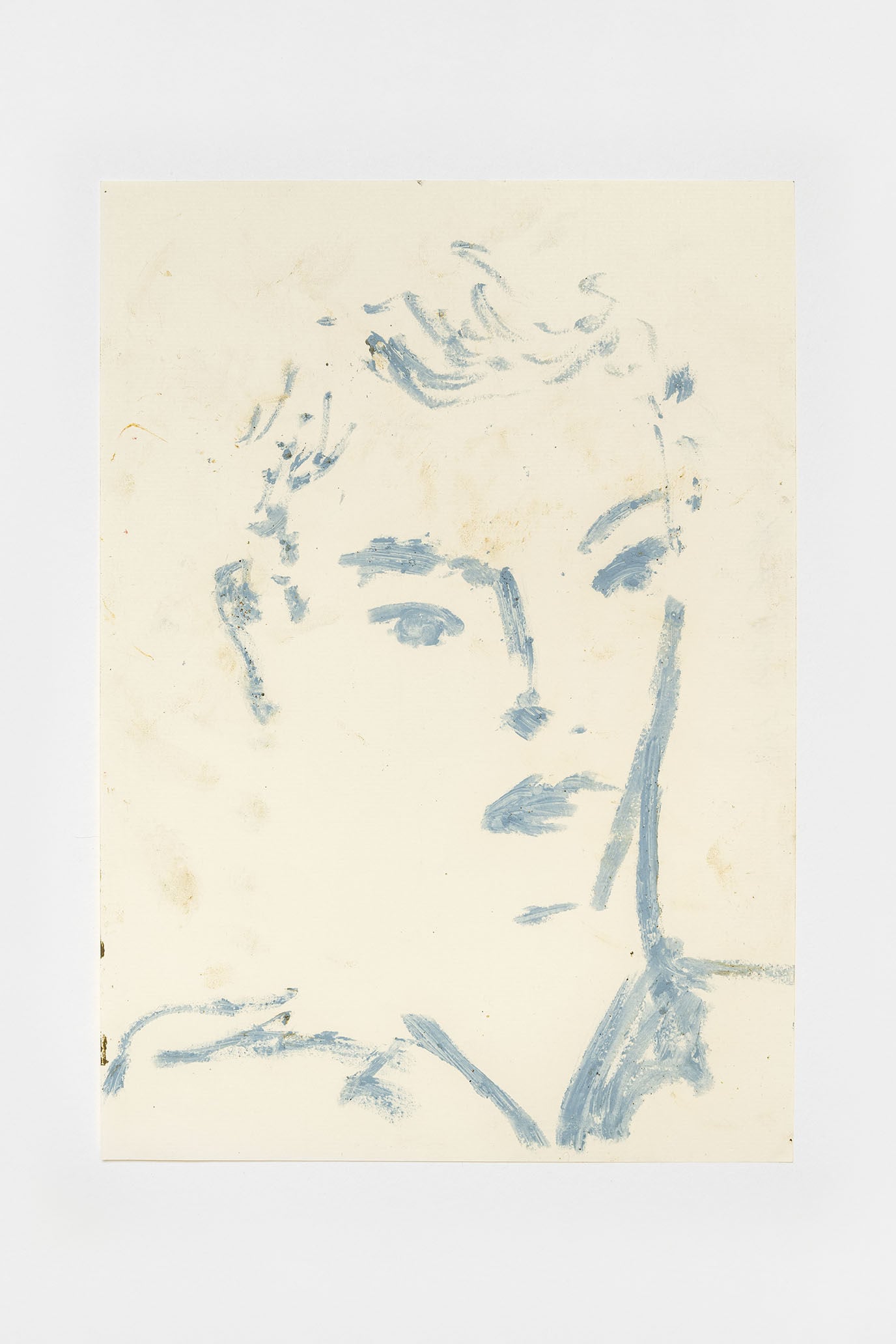
Wei Wei views the act of painting as a profound form of expression, akin to a dance—a performance imbued with an intimate ritual. Her preference for monumental canvases is deliberate, allowing her figures to be rendered at life-size. “Because my work is figurative, I really want to feel the human scale,” she explained. “You’re making something come alive that looks like a human. It’s a really intimate thing. You’re totally alone and lost with this person who you’re forming out of nothing.” This approach fosters a deeply personal connection between the artwork and the observer, blurring the lines between creator, subject, and viewer.
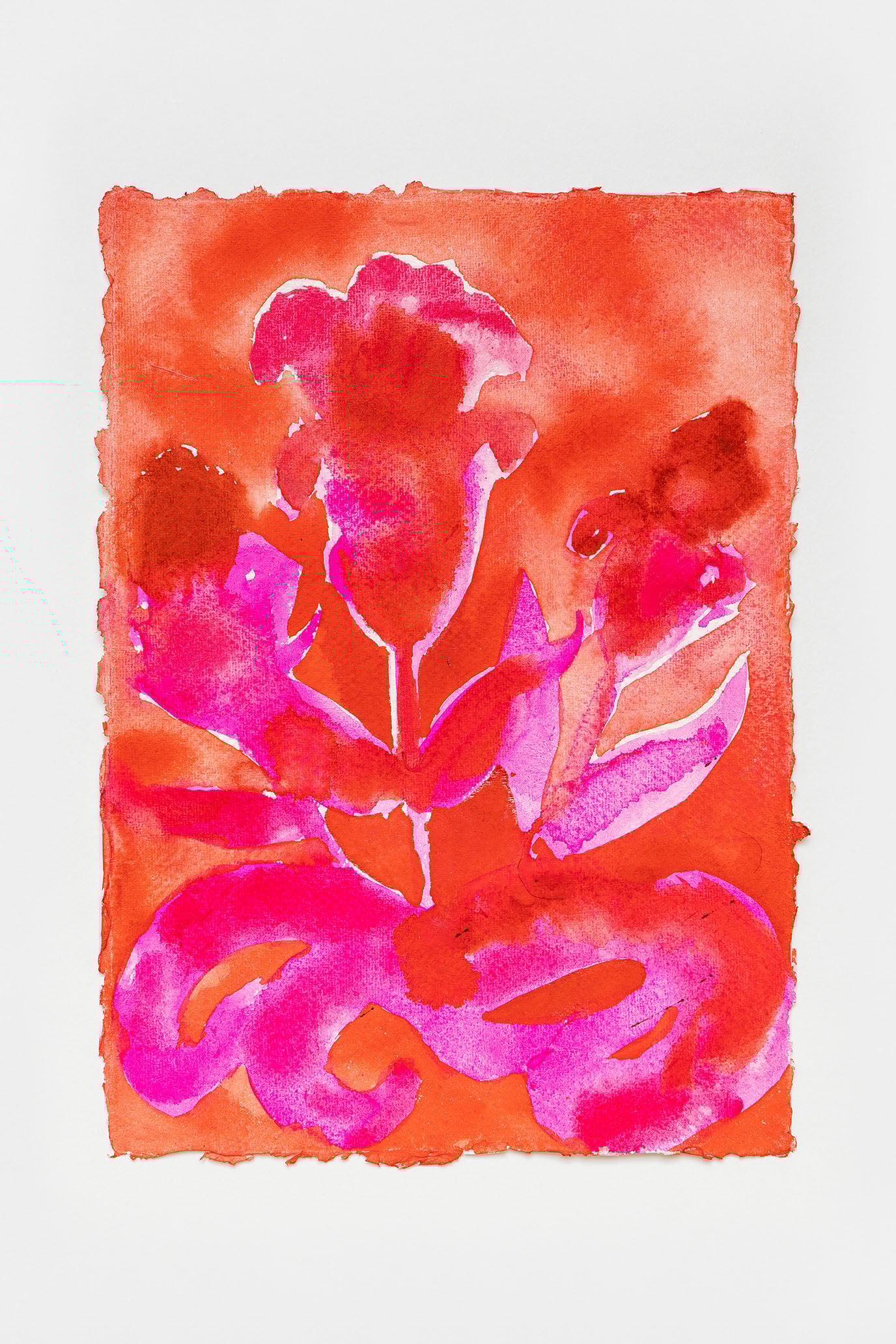
Her mastery of oil paint is evident in the ethereal quality of her work. Wei Wei builds up her canvases through thin, translucent layers, creating a luminous and dreamlike atmosphere. Recurring motifs such as horses, flora, serpentine forms, and celestial bodies populate her compositions, each carrying symbolic weight. She likens her creative process to assembling a tranquil pond, where various elements are carefully placed to float upon its surface. This technique of establishing an amorphous, fluid environment reinforces the notion that her artworks are not mere depictions of reality, but rather portals into realms of dreams and fantasy.
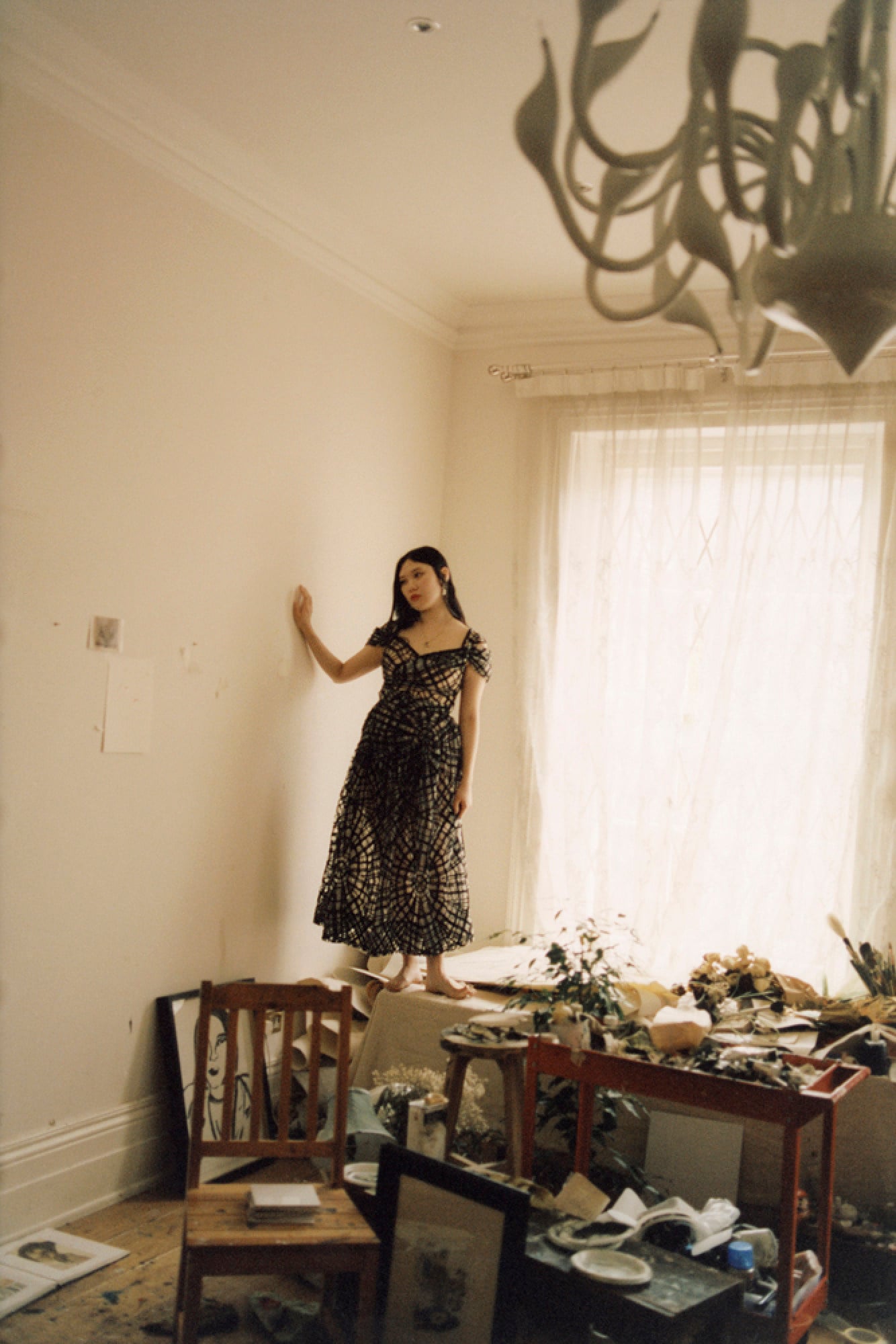
Wei Wei draws inspiration from a diverse and eclectic range of sources, much like a magpie collecting treasures. Her visits to museums for drawing sessions and her collection of vintage photographs are integral to her research. She finds particular fascination in the stylized drama of Japanese Noh theatre, the evocative power of poetry, and the intricate beauty of medieval illuminated manuscripts. She articulates her artistic practice as a form of “personal mythmaking” and world-building, constructing immersive narratives that invite viewers to lose themselves within their depths.
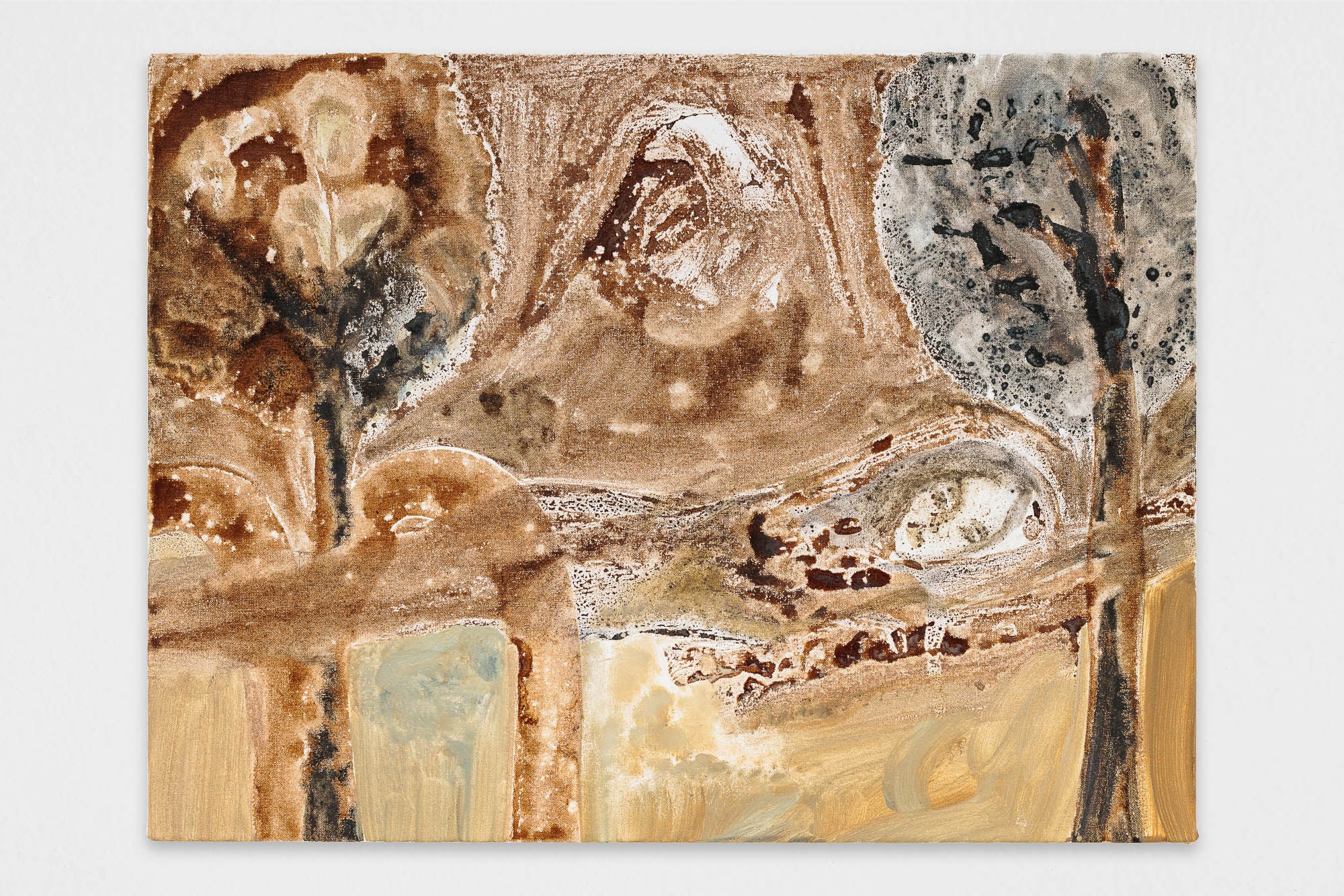
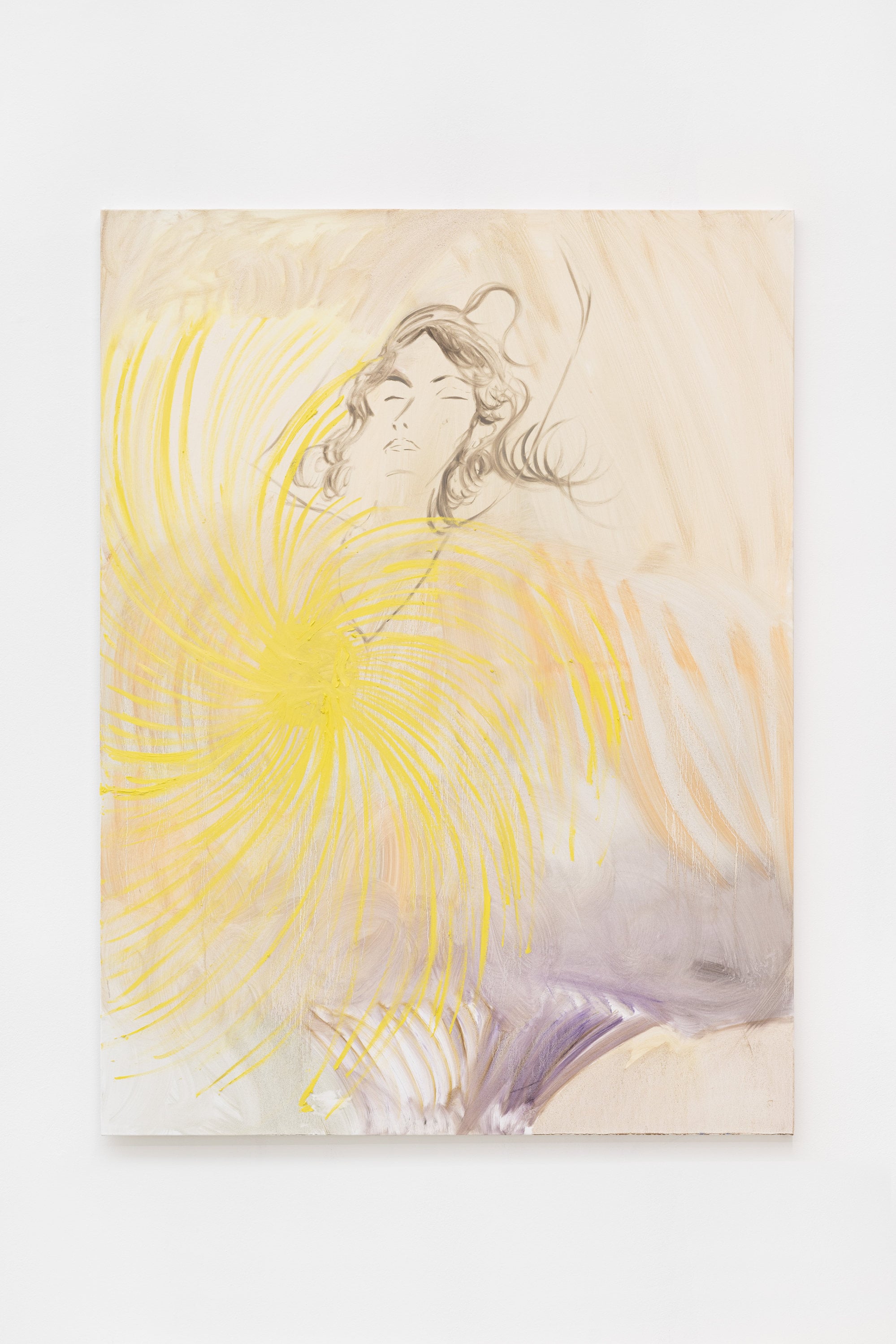
Speaking about her motivations, Wei Wei shared her deep engagement with painting as a vehicle for emotional expression. “I am concerned with painting as a means of emotional expression: love and romance, and muses come into it a lot,” she told Phillips. “I want to make paintings about pleasure, about seduction, about the intensity of mark making, and with a love and respect for the material.” This dedication to exploring the spectrum of human emotion, coupled with a profound respect for her chosen medium, defines her unique contribution to contemporary art. Her work is a testament to the enduring power of figurative painting to evoke wonder, intimacy, and a sense of the sublime.