
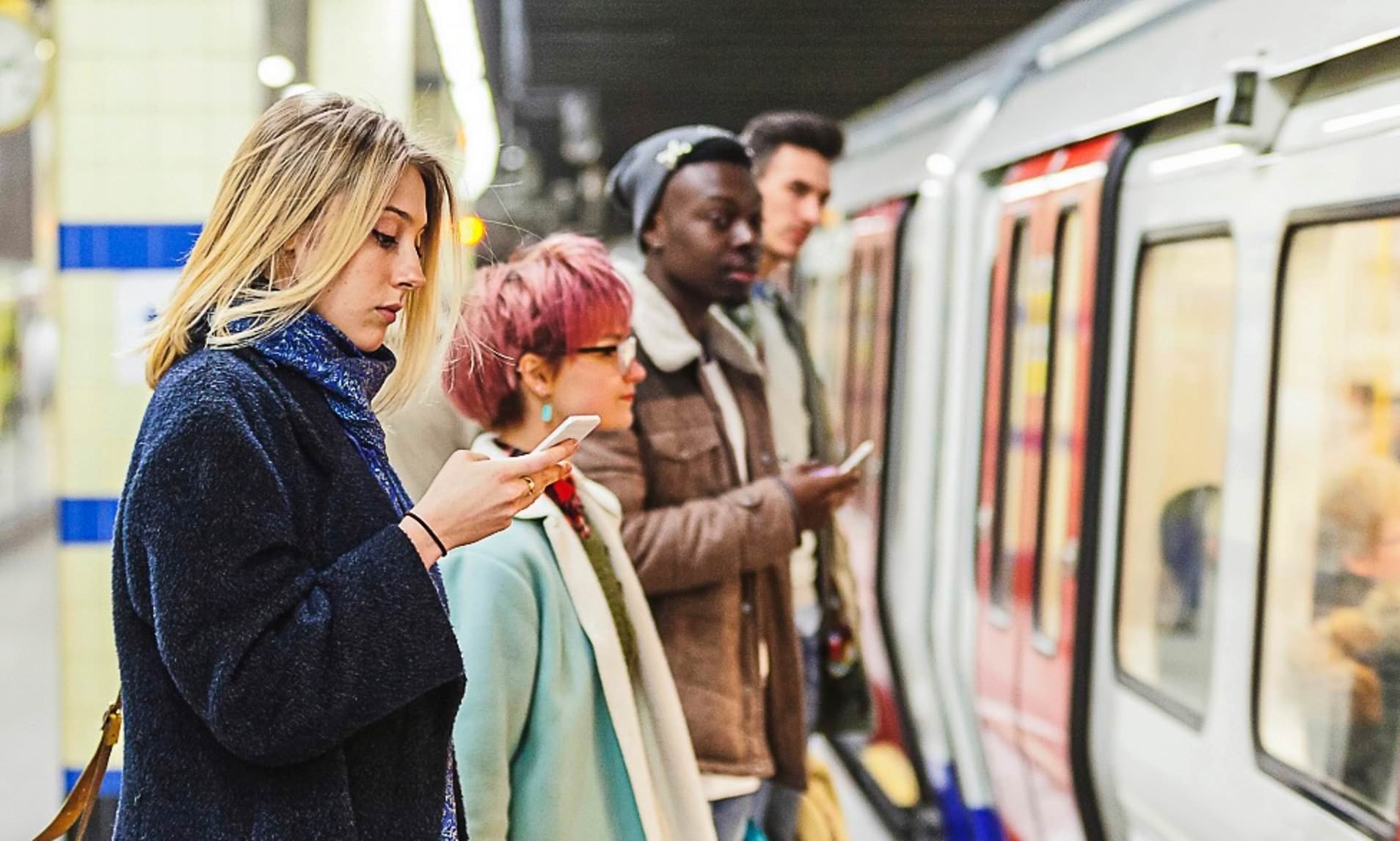
The Evolution of Work-Life Balance
Gen Z has a different approach to work compared to previous generations. While some may consider it unproductive, others see it as a way to maintain a better work-life balance. A recent conversation between a Gen Z individual and a Boomer highlights the contrast in attitudes towards work and leisure.
A New Definition of ‘Soft Off Day’
The term “soft off day” has become popular among Gen Z, especially with the rise of remote work. This concept is quite different from what older generations might have considered a day off. Instead of taking a full day off, Gen Z workers often log on, send a few emails, and then call it a day. This practice is seen as an art form by many.
In the past, “showing face” at work meant being physically present. However, with the shift to working from home, this has changed significantly. Many Gen Z workers now take advantage of their flexible schedules to engage in personal activities rather than focusing solely on work tasks.
The Three-Day Workweek
Some Gen Z workers are embracing a three-day workweek, with only Tuesday, Wednesday, and Thursday as their official working days. This arrangement allows for a four-day recovery period, which seems to be a significant change from traditional work schedules.
One Gen Z worker shared her experience with Business Insider, stating she has “zero remorse” about spending her Fridays on activities like watching TV, going to the gym, taking a walk, and even going skiing. While this may seem excessive to some, it reflects a new perspective on work-life balance.
The Rise of Remote Work Culture
With the increase in remote work, many employees are finding ways to manage their time more effectively. Some individuals have taken this flexibility to the extreme, such as answering an email at 9:30 am to show they’re still working, then completely forgetting about their job for the rest of the day.
This shift in work culture has led to changes in how people interact with their colleagues and supervisors. For example, OpenTable reports that 1 pm Friday bookings have increased by 44% compared to other weekdays. This suggests that many people are using their Fridays for personal activities rather than work-related tasks.
The Risks of Remote Work
Despite the benefits of remote work, there are risks involved. One incident involved 50 police officers and backroom staff who were caught skipping work while working from home. The disciplinary hearing revealed that one officer was playing golf after leaving a tin of beans pressing the keyboard. The ‘i’ key was pressed 16,000 times, which raised concerns about the authenticity of their work.
The Use of Technology to Maintain Appearance
To avoid detection, some workers use devices like mouse jiggers, which are designed to keep the cursor moving so that video conferencing platforms think the user is still active. These devices can be purchased on Amazon for around £24.99 and have received over 8,574 five-star reviews.
The Debate Over Productivity
While some argue that remote work leads to a decline in productivity, others believe it offers more flexibility. Many remote workers are not even doing extravagant activities like bikini waxes or skiing. Instead, they are completing household chores like doing laundry and loading the dishwasher during their work hours.
One TikTok video with 3.9 million views shows someone working from bed. The top comment reads, “Me at 4 pm on a WFH Friday, watching this in bed.” This highlights the shift in expectations regarding work performance and personal time.
The Impact of the Pandemic
The pandemic has significantly influenced work culture, leading to a reevaluation of professional standards and self-respect. With the rise of remote work, many employees have found new ways to balance their personal and professional lives.
As the conversation continues, it’s clear that the definition of work-life balance is evolving. Whether it’s through a three-day workweek, flexible hours, or simply enjoying a long lunch, Gen Z is redefining what it means to be productive in the modern workplace.


