What is Dragon Fruit?
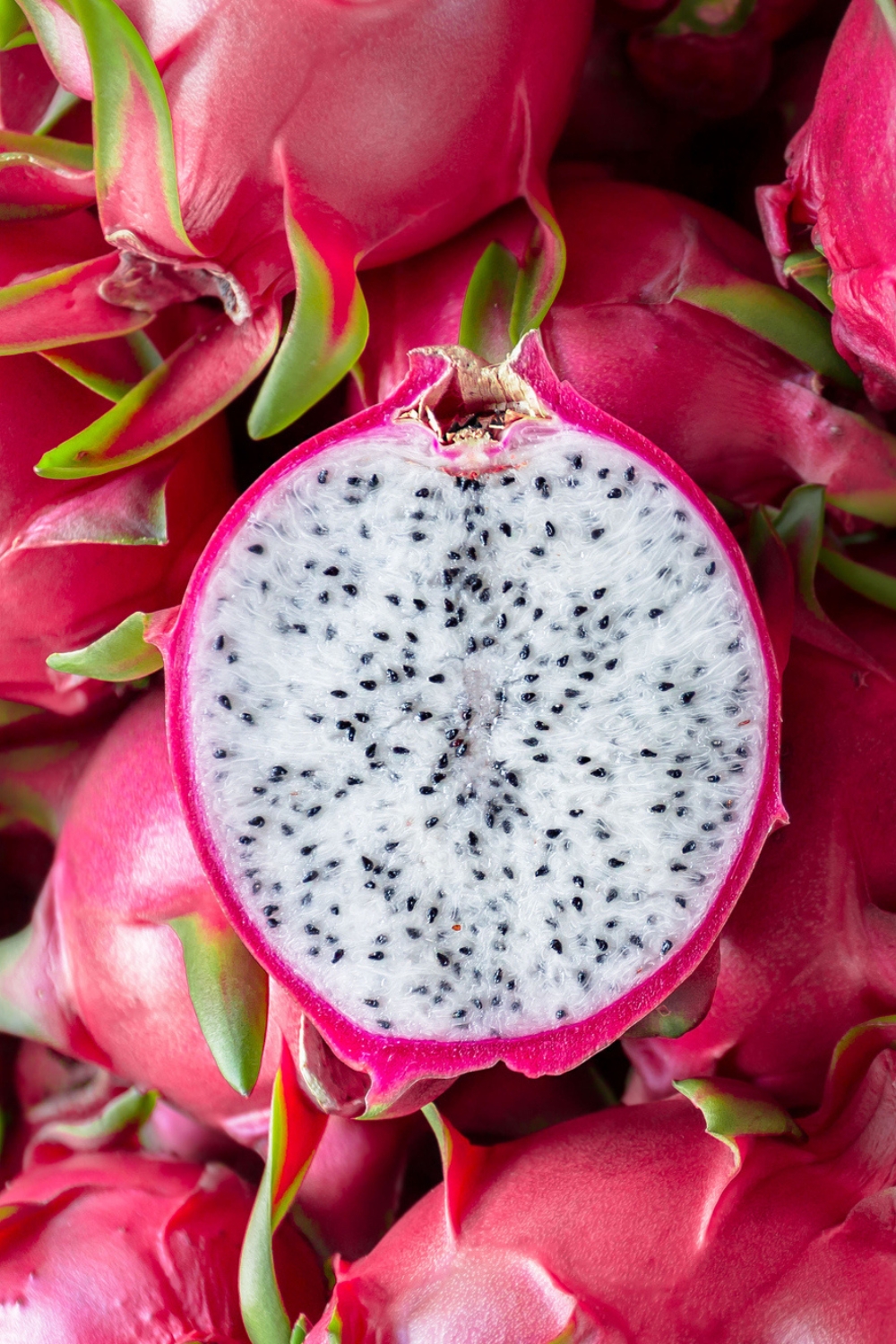
Dragon fruit, also known as pitaya, strawberry pear, cactus fruit, Kaktus madu, Night-blooming cereus and Belle of the night, is a unique tropical fruit that has become increasingly popular in Australia. Native to South America, it has now found its way into gardens across the country due to its adaptability and ease of cultivation. With its vibrant pink skin, white flesh, and tiny black seeds, dragon fruit offers a refreshing taste and a range of health benefits.
What Does Dragon Fruit Taste Like?
Once you overcome the unusual appearance of dragon fruit, you’ll find that it’s actually quite similar to other tropical fruits. If you’ve ever eaten a kiwi fruit, you’ll know how to eat dragon fruit. The fruit has a mild flavor with a texture that closely resembles that of a kiwi. It is often used in fruit salads, smoothies, and desserts, making it a versatile addition to any kitchen.
Can You Eat Dragon Fruit Raw?
Yes, dragon fruit can be eaten raw. To prepare it, simply cut the fruit in half and scoop out the flesh with a spoon. This method allows you to enjoy the fruit at its freshest and most natural state.
Caring for Dragon Fruit Plants
Aspect
Dragon fruit plants are subtropical and require at least six hours of sunlight per day. They can also grow well in warm, sunny indoor spaces.
Climate
Native to South America, dragon fruit thrives in warm, humid climates. It is commonly grown in parts of Indonesia, Taiwan, Southern California, and more recently, Australia. The plant prefers a climate that mimics its natural habitat.
Soil
Growing dragon fruit outdoors can add color and personality to your garden. Prepare the soil by removing weeds and rocks, and ensure it is slightly sandy and acidic. Adding a bit of potting mix can help create an ideal environment for the plant.
Watering
One of the easiest ways to harm a dragon fruit plant is by overwatering. Ensure the soil is not overly wet, and if in doubt, wait a day or two before watering again. Overwatering can lead to root rot, which can be fatal to the plant.
Fertiliser
Dragon fruit plants benefit from fertiliser, as their natural habitat is rich in nutrients. Using a suitable fertiliser can help the plant thrive in your garden.
Maintenance
As the plant grows, provide it with support such as a trellis or fence. A trellis is ideal, but make sure it can support the weight of the plant when it bears fruit. Alternatively, use a wall or wooden post if resources are limited. Avoid using treated timber.
Pests
Dragon fruit plants are generally resistant to pests. However, once the fruit starts to appear, protect the plant from birds and bats using bird netting.
Dragon Spots
If you notice spots on the stems and leaves, it could indicate an infection. Dragon fruit is prone to bacterial infections that cause stem rot. In most cases, the plant can fight off the infection on its own.
Pruning
If the plant becomes too large, prune it during the summer months. Watch for signs of rot caused by extreme weather conditions. Use sharp clippers to safely remove affected parts.
How to Grow Dragon Fruit from Seed
Growing dragon fruit from seeds requires patience but is relatively simple. Start by obtaining an organic dragon fruit from your local supermarket and extract the seeds. Wash the seeds and let them dry overnight before planting them in a seed-starting tray with moist soil. Germination typically occurs within two weeks.
Water the seedlings sparingly and only water when the soil has completely dried out. Be prepared to wait between five to seven years for the plant to mature and produce fruit. This is why many growers prefer to propagate from cuttings instead.
How to Plant Dragon Fruit Cuttings
Propagating dragon fruit from cuttings is straightforward. Obtain a 30cm section from a healthy plant and allow it to dry for 5-6 days until the cut end turns white. Place the cutting in sandy cacti soil and water monthly. The plant will develop roots within a month and continue to grow. It typically takes one to three years for the plant to bear fruit.
Growing Dragon Fruit in Pots
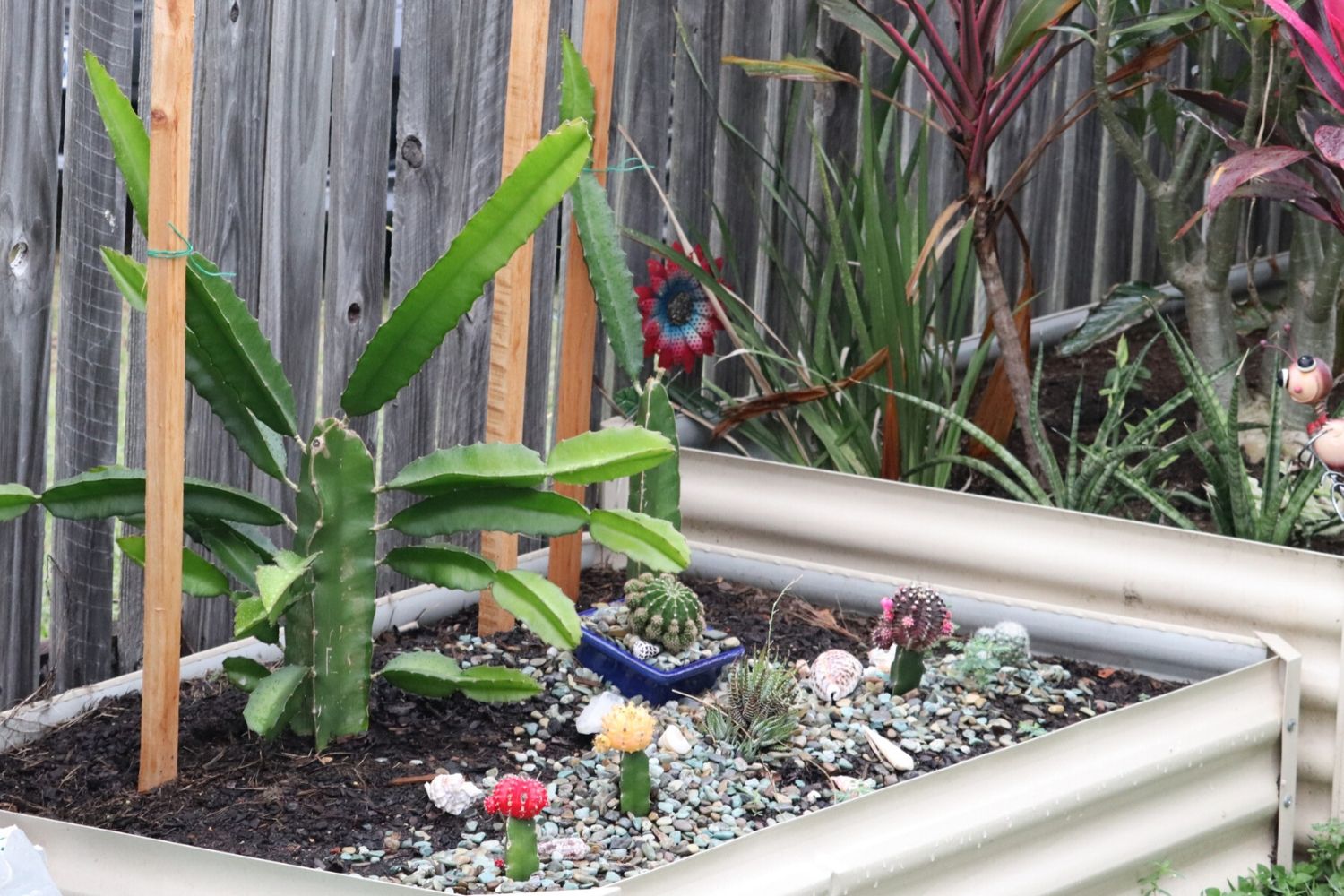
Growing dragon fruit in pots is an excellent option, especially for those in cooler regions of Australia. Pots allow you to move the plant to a warmer location as needed. Choose a pot that is approximately 250mm deep and 600mm wide. Fill it with high-quality cacti potting soil that is slightly sandy and acidic.
As a climber, dragon fruit needs support. Provide a stake, trellis, or another structure for the plant to climb on.
How to Harvest Dragon Fruit
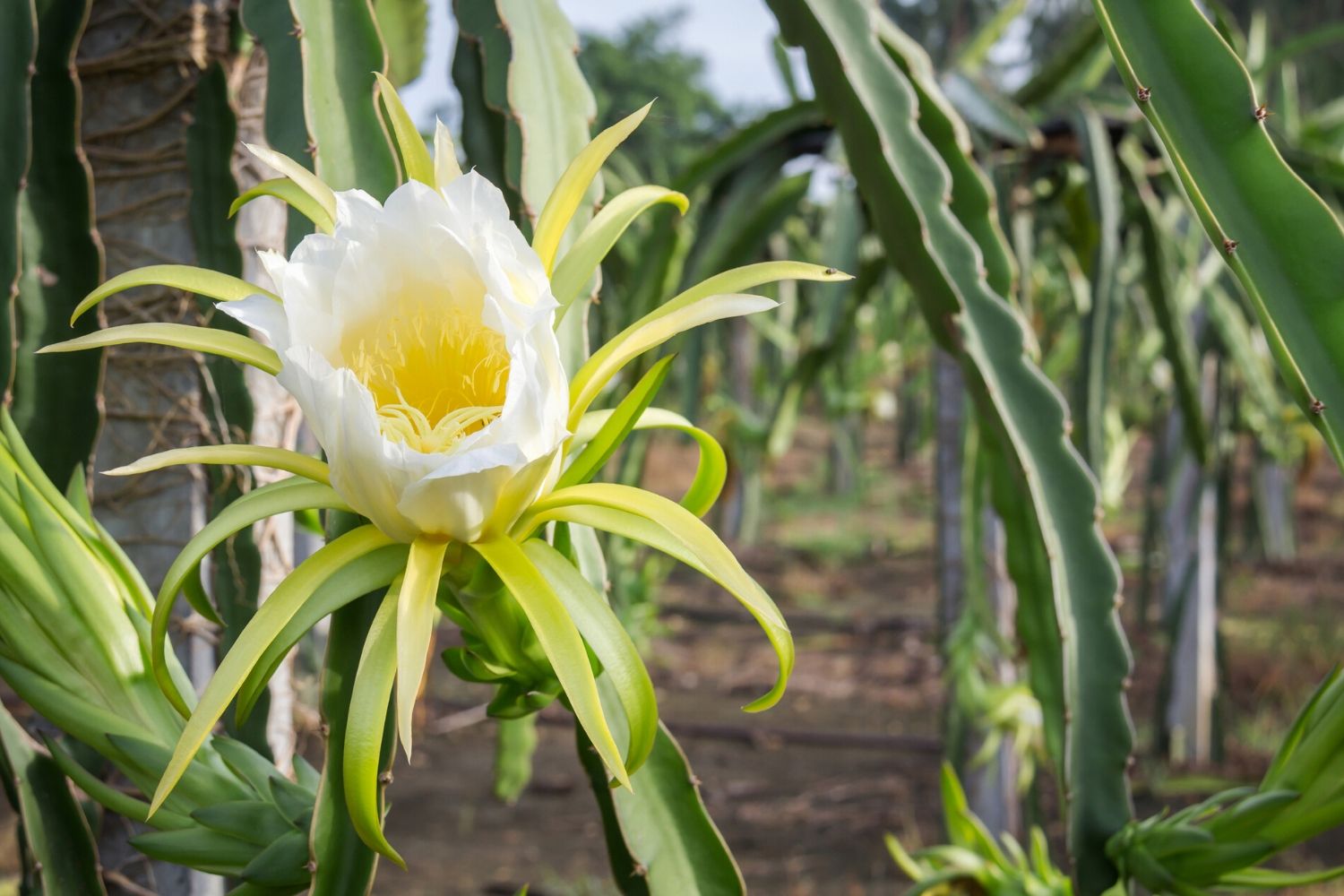
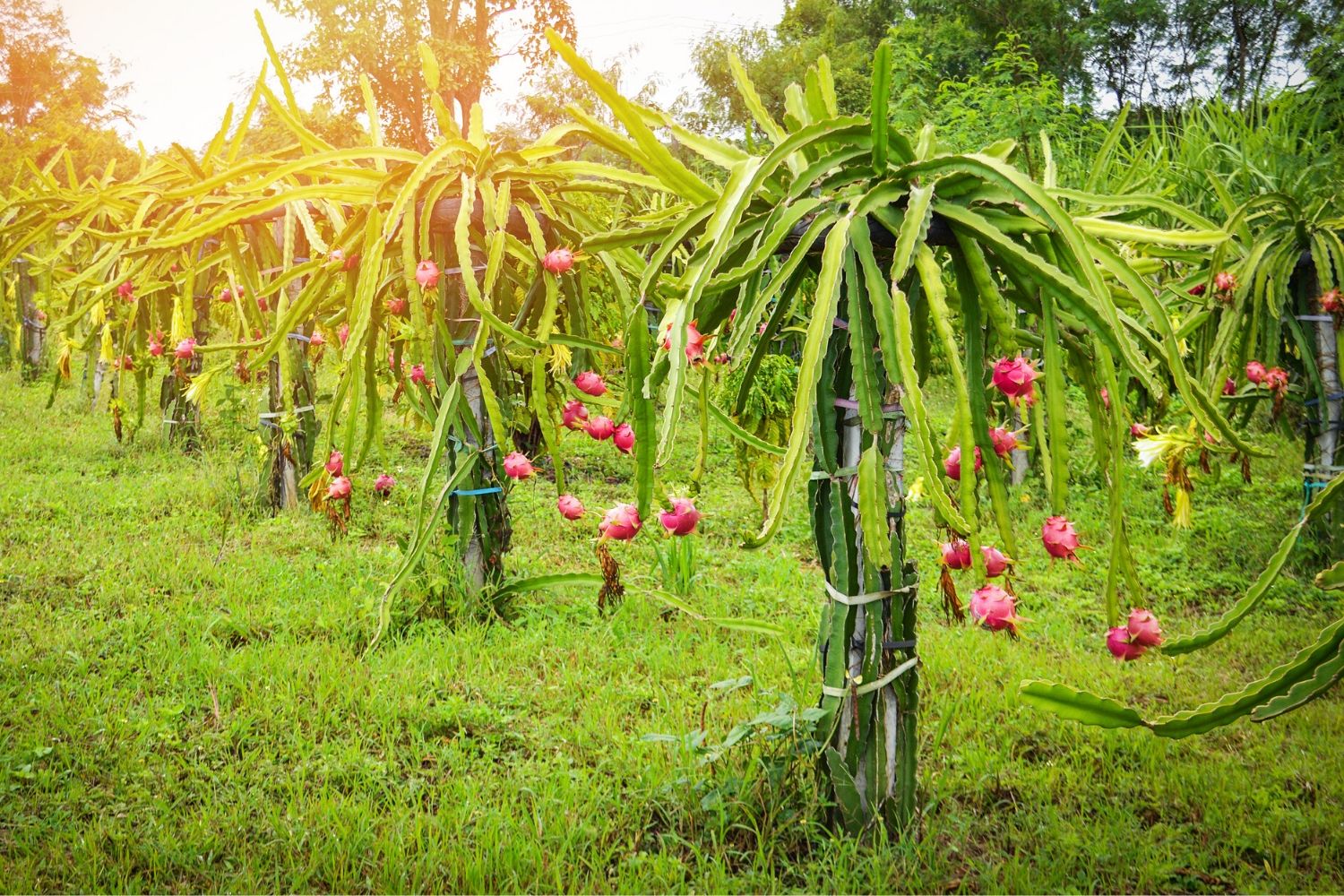
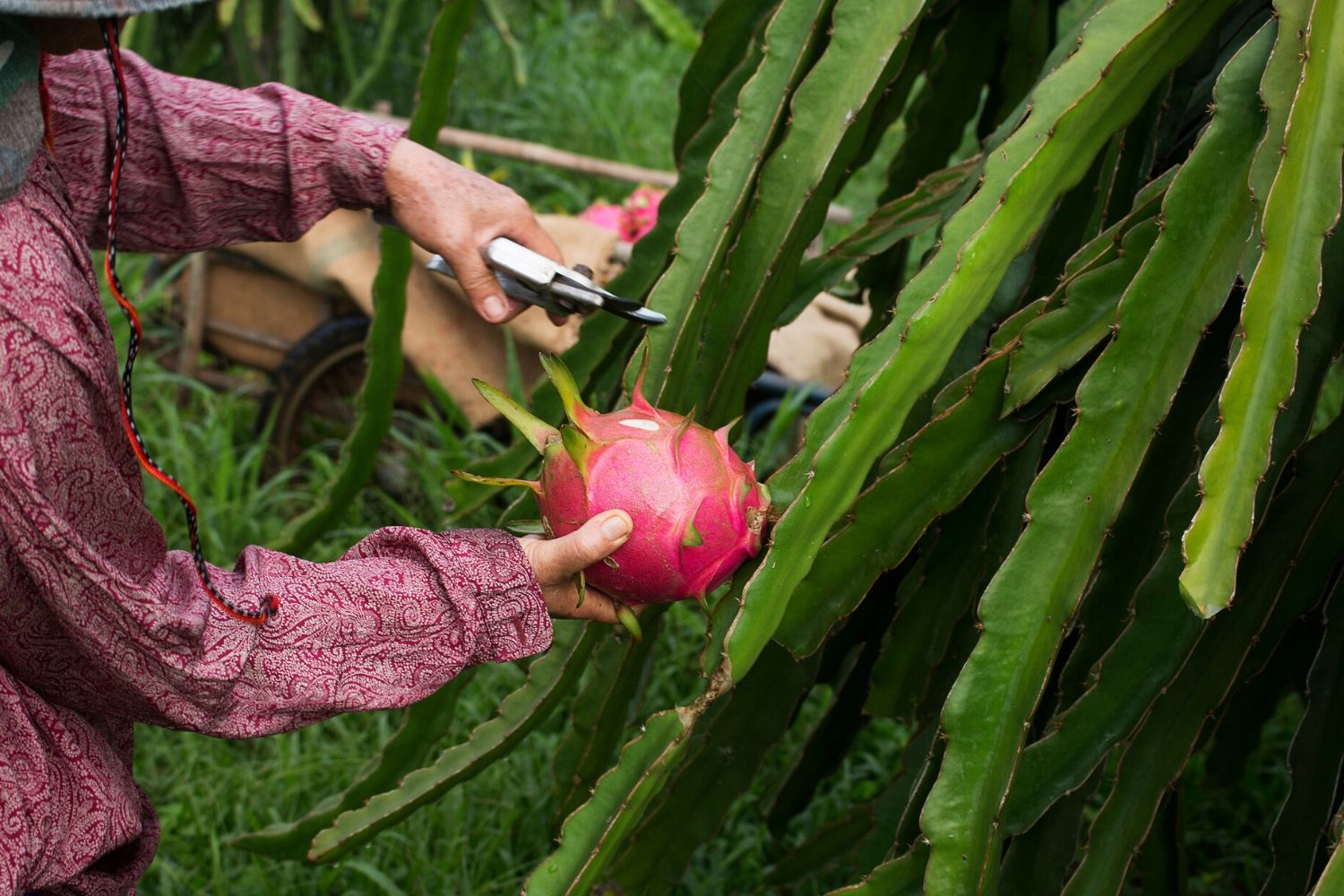
You’ll know the fruit is ready when the plant begins to flower. Once the fruit appears, it takes about four weeks to ripen. The fruit is ripe when the skin turns a vibrant pink. Use sharp secateurs to cut the fruit from the plant and store it in the fridge for up to two weeks.
For less common varieties like Hylocereus megalanthus, the fruit’s skin will turn yellow when ripe. Unlike strawberries, dragon fruit does not continue to ripen after harvest, so ensure it is fully ripe before picking. Store the fruit in a cold container between 7°C and 10°C for optimal freshness.
Varieties of Dragon Fruit
There are several types of dragon fruit available:
- Hylocereus undatus: White flesh with pink/red skin (most popular in Australia)
- Hylocereus megalanthus: White flesh with yellow skin
- Hylocereus costaricensis: Purple/red flesh with pink/red skin
Each variety offers a unique flavor and appearance, making them a great addition to any garden.