
Nation to Observe Shab-e-Meraj on January 16
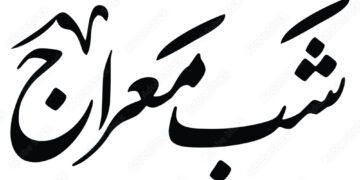
The significant Islamic observance of Shab-e-Meraj will be commemorated across the nation on the night of Friday, January 16. This decision was formally announced following a meeting of the National Moon Sighting Committee.
The committee convened on Sunday evening at the Islamic Foundation office, located within the Baitul Mukarram complex, to deliberate on the matter. Presiding over the crucial meeting was Religious Affairs Adviser AFM Khalid Hossain, who guided the discussions to a conclusive decision.
Shab-e-Meraj, which translates to the “Night of Ascension,” is a deeply revered occasion in the Islamic calendar. It marks the miraculous journey undertaken by Prophet Muhammad (peace be upon him) on the 26th day of the month of Rajab. On this sacred night, the Prophet embarked on a spiritual voyage to ascend to the heavens and meet with Allah.
During this extraordinary journey, Prophet Muhammad (pbuh) was transported on a divine steed known as “Buraq.” This celestial travel took him through the heavens, where he received divine revelations and essential instructions directly from Allah. These instructions, particularly concerning the specifics of prayer (Salat), were then to be conveyed back to the faithful, forming a cornerstone of Islamic practice.
Understanding the Significance of Shab-e-Meraj
The event of Shab-e-Meraj holds immense spiritual and theological importance for Muslims worldwide. It is a reminder of the Prophet’s unparalleled closeness to Allah and the divine mandate bestowed upon him. The journey is interpreted as a profound spiritual ascent, showcasing the elevated status of Prophet Muhammad (pbuh) and the power of divine communion.
The Miraculous Journey: The core of Shab-e-Meraj is the nocturnal journey of Prophet Muhammad (pbuh). This mystical travel is understood not merely as a physical event but as a spiritual and transcendental experience. It signifies a direct encounter with the divine presence, a privilege granted to the most beloved of prophets.
The Divine Revelation of Prayer: A pivotal outcome of the Prophet’s ascension was the commandment of the five daily prayers. Allah, during this meeting, ordained the practice of Salat, a fundamental pillar of Islam. This underscores the central role of prayer in a Muslim’s life and its direct divine origin. The details of how prayers are to be performed, their timings, and their significance were all part of this divine instruction.
Spiritual Reflection and Devotion: The observance of Shab-e-Meraj is a time for deep spiritual reflection, increased devotion, and seeking closeness to Allah. Many Muslims choose to spend the night in prayer, supplication, and reciting the Quran. It is a period dedicated to strengthening one’s faith and seeking divine guidance.
Community Observance: While the personal spiritual aspect is paramount, Shab-e-Meraj is also observed collectively. Mosques often hold special prayers and religious gatherings, where scholars deliver sermons explaining the significance of the event and its lessons for contemporary life. These gatherings foster a sense of community and shared devotion among believers.
The decision to observe Shab-e-Meraj on January 16 ensures that Muslims across the country have ample time to prepare for this sacred night. Religious organizations and community leaders are expected to announce specific programs and guidelines for the observance in the coming days. The event serves as a powerful reminder of faith, divine guidance, and the profound spiritual journey that shapes the lives of believers.