Europe’s Vineyards Under Siege: Flavescence Dorée Threatens Grape Production
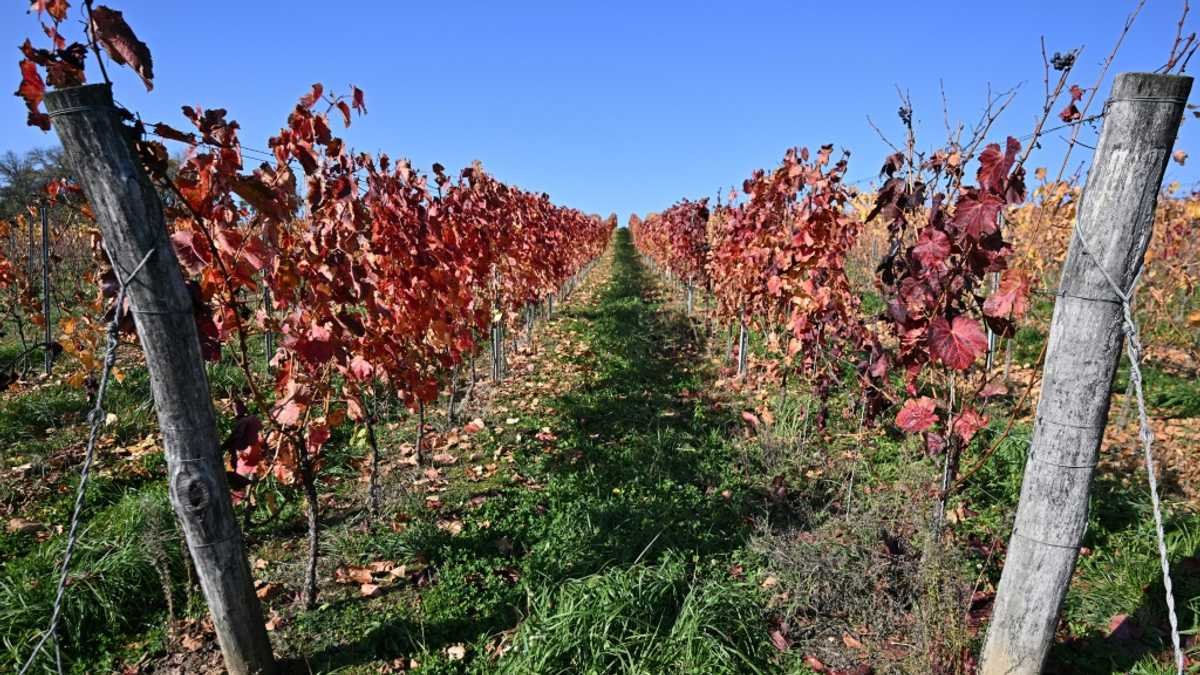
European wine regions are facing an unprecedented threat from a devastating grapevine disease known as Flavescence dorée (FD). This insidious pest, transmitted by the American grapevine leafhopper, has spread rapidly across the continent, forcing winemakers to confront the potential ruin of their livelihoods. Hungary, a nation with a rich winemaking heritage and the world’s 14th-largest producer, is particularly vulnerable, with the disease now detected in nearly all of its wine-producing areas.
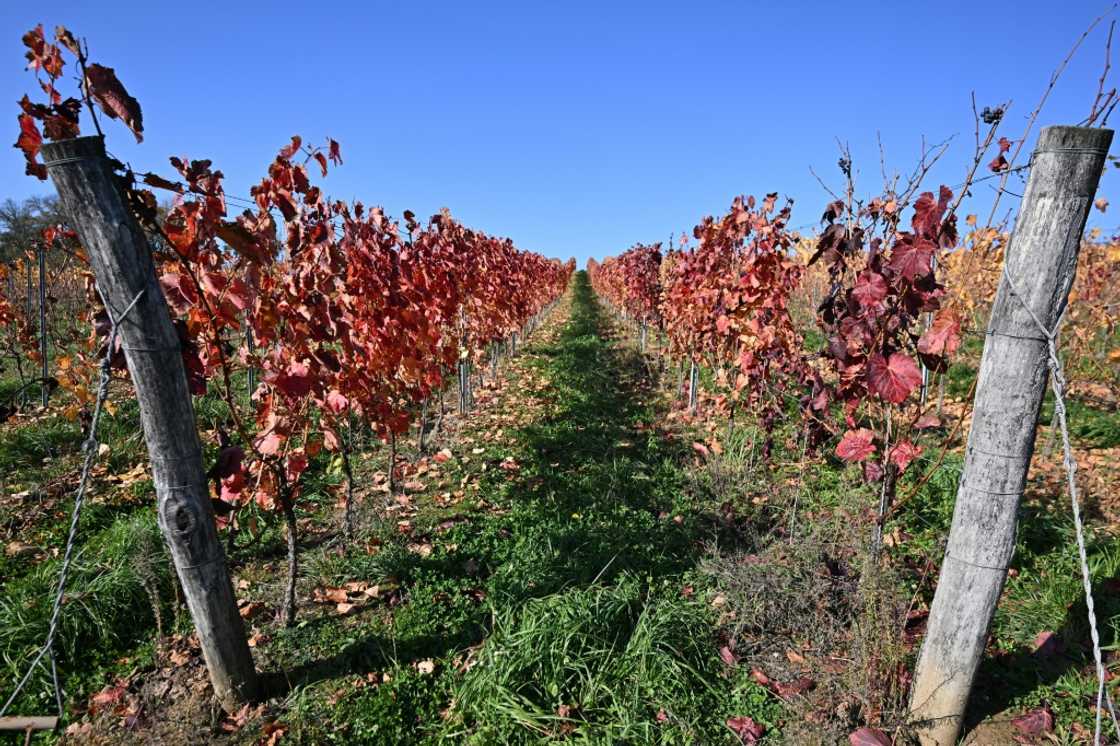
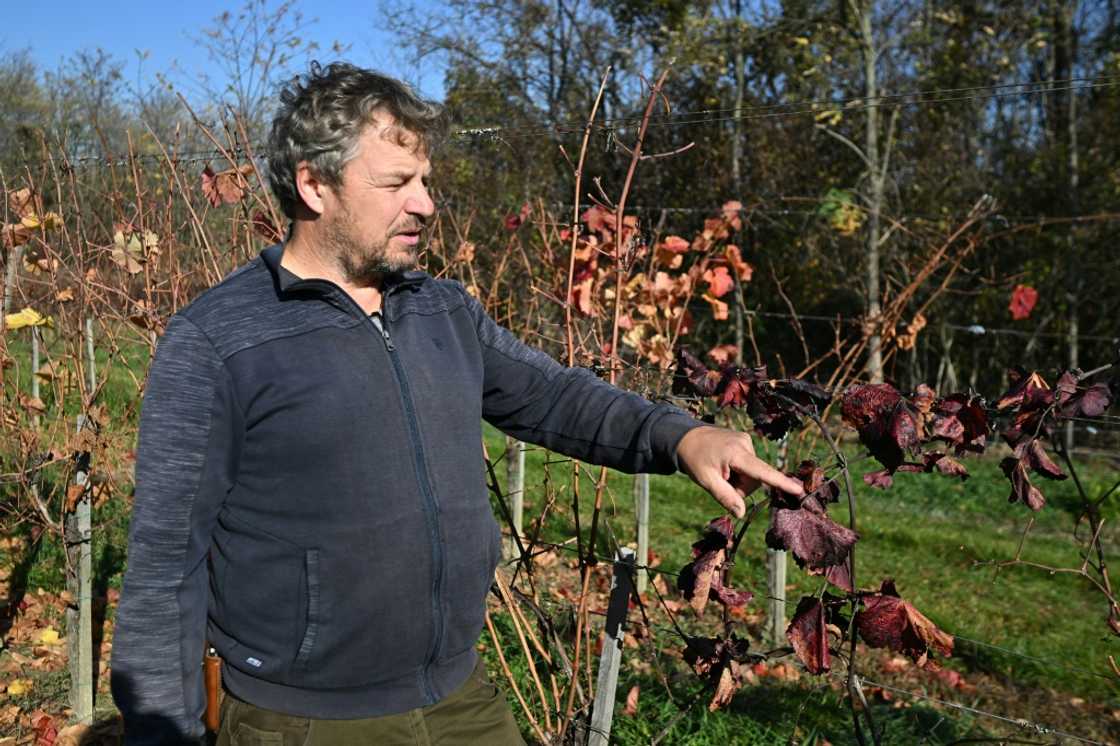
Viktor Keszler, a Hungarian winemaker, exemplifies the dire situation. He was compelled to uproot young vines after only three harvests, a fraction of their expected lifespan of at least 25 years. The reason? Infection with flavescence dorée. “We spray our vineyard to protect it, but it is futile,” Keszler, 45, explained. “The leafhoppers carrying the disease move to untreated vineyards or wild vines nearby and return infected.”
The Silent Spread of Flavescence Dorée
Flavescence dorée is characterized by discolored leaves and a significant reduction in vine productivity. Crucially, there is no known cure for the disease, although it poses no risk to human health. The International Organisation of Vine and Wine (OIV) identifies FD as “one of the most dangerous diseases” currently impacting vineyards globally.
The proliferation of FD is attributed to a confluence of factors:
- Neglected Vines: Unmanaged or abandoned vineyards can serve as breeding grounds for the disease.
- Climate Change: Warmer winters, a consequence of global warming, create more favorable conditions for the leafhopper vectors to survive and reproduce.
- Pesticide Restrictions: The European Union’s discontinuation of certain hazardous pesticides, while beneficial for the environment, has also contributed to the unchecked spread of the pest.
In Hungary, the first detection of FD occurred in 2013. However, critics argue that the severity of the threat was not fully grasped by many winemakers or the government until this year, when the disease’s presence was confirmed in 21 out of the country’s 22 wine regions.
Small Producers Bear the Brunt
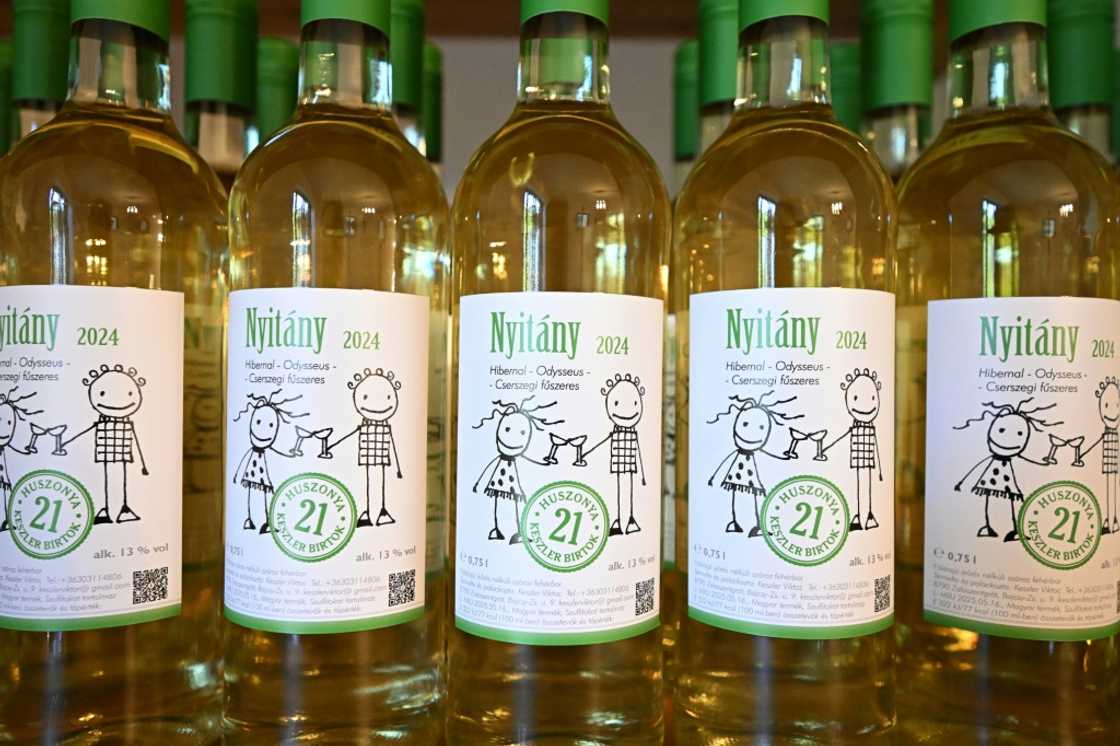
The impact of the latest outbreak is particularly acute for smaller producers like Keszler. He had transformed his family’s vineyards in Zalaszentgrot into a business supplying young vines to other winemakers. This year, he was forced to remove half a hectare from his four-hectare vineyard due to the high infection rates.
United by their shared predicament, Keszler and his fellow winemakers raised an urgent alarm this summer. Janos Frittmann, head of the National Council of Wine Communities, warned at a recent winemakers’ conference, “If we don’t take this seriously, it could effectively wipe out Hungarian grape production.” He acknowledged that the industry was caught off guard, stating, “Previously winemakers were probably not alarmed enough, many did not even know the symptoms.”
In response to the escalating crisis, the Hungarian government allocated approximately 10 million euros ($12 million) in September to combat the disease’s spread. Inspectors have since examined nearly 8,700 hectares of vineyards and collected thousands of samples. The agriculture ministry asserted that the government acted swiftly in the face of an “escalating epidemic” and that existing measures had indeed “slowed down” the disease’s progression over the past 12 years.
Criticisms and Calls for Proactive Measures
Despite the government’s recent efforts, some specialists contend that insufficient resources were dedicated to prevention, leaving crucial departments understaffed and underfunded. Gergely Gaspar, a plant protection specialist, highlighted the lack of proactive measures, citing the absence of random inspections in some areas for six years and lengthy sample evaluation processes due to limited laboratory capacity.
Gaspar, who also produces grapevines and lost his own to FD, pointed to a lack of foundational scientific research as a significant contributor to the “disastrous consequences.” He noted that popular Hungarian grape varieties often do not exhibit the textbook symptoms of FD, complicating early detection. “My biggest gripe is that we just learned this now in the midst of the crisis,” Gaspar stated. “What were researchers doing for the past 12 years?”
Learning to Coexist with the Disease
According to Elisa Angelini, a researcher at the Italian Centre for Research in Viticulture and Enology, Hungarian wineries must learn to coexist with FD, much like their counterparts in France and Italy. Angelini emphasized that outbreaks are often discovered in new areas an average of four years after the initial infection, by which point eradication is usually no longer feasible. Control, rather than complete prevention, is the primary strategy.
For winemakers like Keszler, the fight against FD can feel “hopeless” at times. However, he remains hopeful that with the involvement of the state and local municipalities, success can be achieved.
The challenge posed by Flavescence dorée is a stark reminder of the interconnectedness of environmental factors, agricultural practices, and the future of vital industries like winemaking. As the disease continues its relentless march across Europe, a concerted and proactive approach involving researchers, governments, and winemakers will be essential to safeguard the continent’s rich viticultural heritage.