
A Fortunate Investment: Indonesian Woman Reaps Decades of Gold Appreciation
An extraordinary tale of foresight and significant financial gain has emerged from Indonesia, where a woman has sold a collection of gold jewellery she acquired over two decades ago for a staggering sum. The gold, purchased in the early 2000s for a modest $2,400, was recently sold for an impressive $55,300, a testament to the enduring value and dramatic appreciation of the precious metal.
The remarkable transaction was documented and shared on the popular social media platform TikTok by the owner of a local gold shop, offering a glimpse into the substantial returns possible from long-term investments in gold.
The Journey of a Gold Investment
The woman in question visited the gold shop, identified as TokoMas Gintar, with the intention of selling jewellery she had accumulated in the early 2000s. At that time, the price of gold was significantly lower, reportedly around IDR100,000 per gram. At current exchange rates, this would equate to approximately $5.96 per gram, a stark contrast to today’s market values.

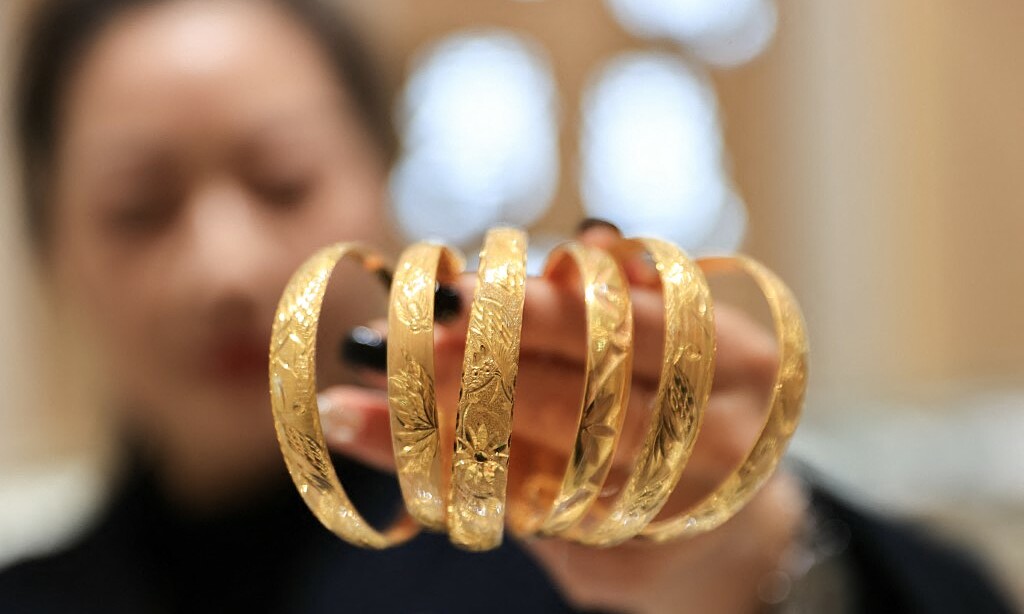
Gold shop owner TokoMas Gintar shows off gold jewelry she bought from an Indonesian woman, who first acquired it in the early 2000s. Photo courtesy of TokoMas Gintar
The story resonated widely online, with many users expressing regret over missed opportunities. One widely shared comment on Instagram lamented, “I was still in elementary school in the year 2000, if I knew gold would be expensive, I’d have saved my pocket money to buy gold instead of ice tung tung (an Indonesian dessert).” This sentiment highlights a common reflection on childhood spending habits versus the potential for early investment.
The original TikTok clip, posted by user TokoMas Gintar, quickly gained viral traction before it was reportedly removed. The video showcased the significant value of the gold, sparking conversations about investment strategies and the historical performance of gold as an asset.
Global Gold Market Dynamics
The Indonesian woman’s success story unfolds against a backdrop of significant fluctuations in the global gold market. Since the early 2000s, global gold prices have experienced a remarkable surge, increasing approximately 17-fold to reach around $4,841 per ounce in recent times.
However, the gold market is not immune to volatility. A recent sell-off was reportedly triggered by an announcement from U.S. President Donald Trump regarding his pick for the next chair of the U.S. central bank. This news contributed to a temporary downturn in gold prices, illustrating the influence of geopolitical and economic events on commodity markets.
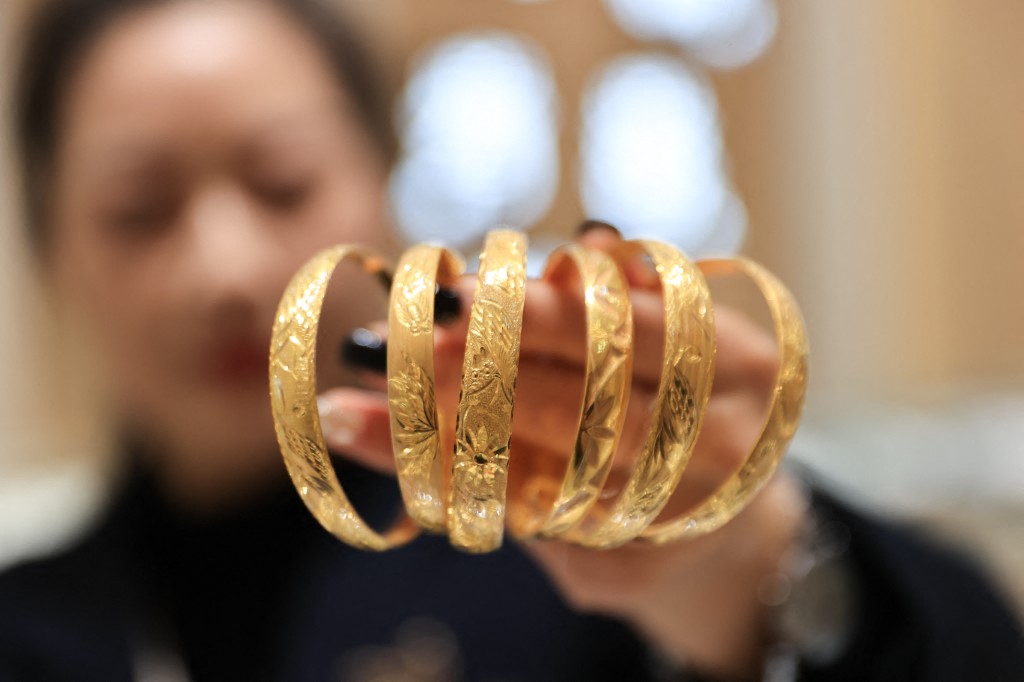
A staff member of a gold shop is displaying gold jewelry in Lianyungang City, Jiangsu Province, China on January 31, 2026. Photo by CFOTO via AFP)
Despite these short-term movements, experts maintain a positive outlook on gold’s fundamental role in investment portfolios. Matthew Piggott, Director of Gold and Silver at Metals Focus, speaking in an interview with Kitco News, described the recent price drops as neither surprising nor structurally damaging.
Gold’s Enduring Appeal as a Store of Value
Piggott explained that given the rapid ascent of gold prices leading up to the recent correction, a period of consolidation was anticipated. “This market needed to let off steam,” he noted, indicating that such pullbacks are a natural part of market cycles.
While acknowledging the extreme volatility observed in both gold and silver markets, Piggott does not foresee these price swings undermining gold’s long-established reputation as a stable store of value, drawing parallels to previous significant market corrections in 1980 and 2011.
He elaborated on the motivations behind contemporary gold purchases: “Most gold buyers today are not chasing capital appreciation. They’re buying for portfolio protection, currency debasement, and geopolitical risk. Short-term volatility doesn’t change that.” This perspective underscores that for many investors, gold serves as a hedge against broader economic uncertainties and currency devaluation, rather than solely as a speculative asset. The Indonesian woman’s decades-long holding of her gold collection exemplifies this long-term approach, ultimately yielding substantial rewards.


