Iran Appoints New Supreme Leader Amidst Regional Tensions
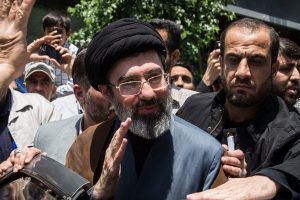
Iran has officially appointed a new Supreme Leader, Mojtaba Khamenei, more than a week after his father, Ayatollah Ali Khamenei, was killed in an Israeli airstrike. The powerful Assembly of Experts made the decisive appointment late on Sunday evening, naming the 56-year-old Mojtaba to succeed his father, despite vocal opposition from US President Donald Trump.
The assembly announced, “By a decisive vote, the Assembly of Experts, appointed Ayatollah Seyyed Mojtaba Hosseini Khamenei as the third leader of the sacred system of the Islamic Republic of Iran.” This selection follows a period of intense speculation and political maneuvering within Iran.
A Successor Chosen by Guidance
A member of the Assembly of Experts, Ayatollah Mohsen Heidari Alekasir, had previously indicated that the elder Khamenei’s guidance favoured a successor who would be “hated by the enemy.” This sentiment appears to have heavily influenced the final decision.
The Islamic Revolutionary Guards Corps (IRGC), a powerful military and political entity within Iran known for its role in suppressing dissent, swiftly declared its readiness to follow Supreme Leader Mojtaba. In a statement, the IRGC affirmed their commitment to the new leadership.
US Opposition and Iranian Defiance
President Trump had publicly expressed his disapproval of Mojtaba Khamenei’s potential succession, stating earlier in the week that the choice was “unacceptable” to him. He further warned that any new leader lacking US approval would not “last long.”
“We want to make sure that we don’t have to go back every 10 years, when you don’t have a president like me that’s not going to do it,” Mr Trump told ABC News, underscoring his administration’s desire for influence over Iran’s leadership.
In a clear act of defiance against US pressure, Iran’s Parliament Speaker Mohammad-Bagher Ghalibaf issued a statement late on Sunday declaring that following Mojtaba was a “religious and national duty.” He described the new leader as “indeed the shadow of our martyred leader and will guide the ship of the revolution with strength on the path of the Imams of the revolution towards a prosperous, advanced, and unified Iran.”
Mojtaba Khamenei: A New Leader’s Background
Mojtaba Khamenei steps into the role of Supreme Leader without prior formal government experience. He holds the clerical rank of Hojjatoleslam, a position considered a notch below that of his late father, who had attained the highest clerical status. Analysts suggest that Mojtaba’s appointment signals a continued firm grip by hardliners within Iran’s political establishment. He has historically opposed reformist factions advocating for engagement with the West to negotiate limits on Iran’s nuclear program.
Edmund Fitton-Brown, a senior fellow at the Foundation for the Defense of Democracies and a former British ambassador, commented on the significance of Mojtaba’s selection. He described it as “a poke in the eye for Trump, who has said he doesn’t accept him.”
Fitton-Brown further elaborated on Mojtaba’s appeal within the regime, stating that he “will appeal to a range of constituencies within the regime and thus can take over without significant changes either to institutions or personnel.” He added, “He is popular with the IRGC. Less so with senior clerics, who however don’t have anything better on offer.” Fitton-Brown concluded that while Mojtaba might have been a more controversial choice under normal circumstances, “in time of war, and just after his father’s ‘martyrdom’, he has a better chance of achieving acceptance.”
Previous Controversies and Wealth Allegations
Critics have raised concerns about Mojtaba Khamenei’s perceived lack of sufficient clerical credentials for the position of Supreme Leader. However, he remained a prominent candidate, especially after the unexpected death of another leading contender, former president Ebrahim Raisi, in a helicopter crash in 2024.
The United States had previously imposed sanctions on Mojtaba Khamenei in 2019. These sanctions were justified by claims that he represented the Supreme Leader in an “official capacity despite never being elected or appointed to a government position,” aside from his work within his father’s office.
Furthermore, a Bloomberg investigation revealed that Mojtaba Khamenei is reportedly the owner of over 11 luxury properties in the United Kingdom, acquired through shell companies. These properties are valued at more than $138 million (£103 million), including a significant estate on Bishop’s Avenue in North London, famously known as Billionaire’s Row.
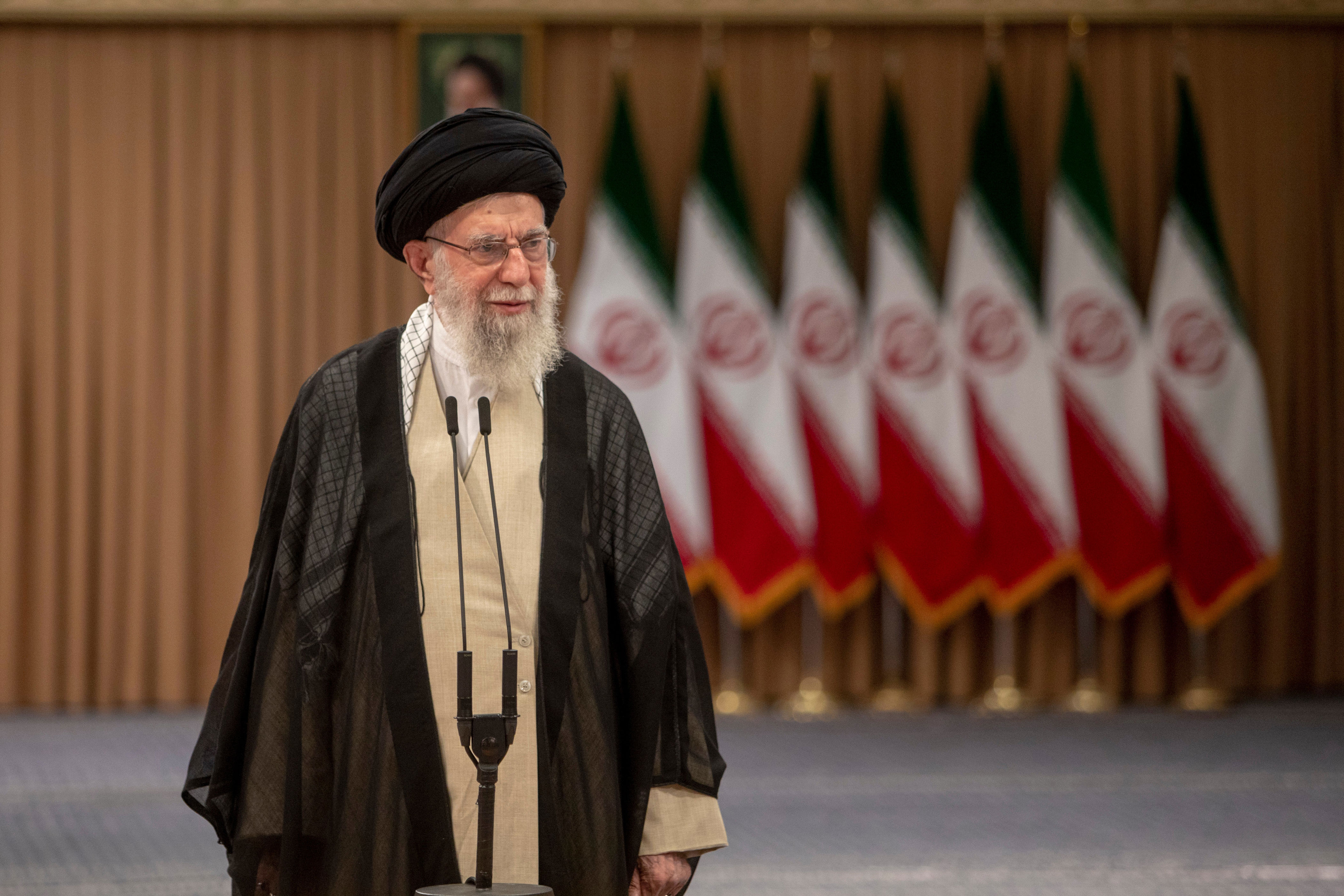
Alex Vatanka, a senior fellow at the Middle East Institute, offered his perspective on the implications of Mojtaba’s ascension. “Having Mojtaba take over is the same playbook,” Vatanka stated. He further commented, “It’s a big humiliation for the United States to carry out an operation of this scale, risk so much, and end up killing an 86-year-old man, only to have him replaced by his hardline son.”
The appointment of Mojtaba Khamenei marks a significant moment for Iran, signalling continuity in its political direction amidst a complex geopolitical landscape and the recent assassination of his father. The coming months will likely reveal the extent of his influence and how he navigates the challenges facing the Islamic Republic.