A New Direction for Double Fine Productions
Double Fine Productions has long been recognized for its vibrant, imaginative single-player adventures. Titles like the eccentric and surreal Psychonauts series and the visually stunning Keeper have cemented the studio’s reputation for creating unique and engaging experiences. However, with the release of Kiln, Double Fine is stepping into a new territory—multiplayer brawlers. This upcoming game, while seemingly out of the studio’s usual wheelhouse, showcases a special blend of creativity and charm that sets it apart from the crowd.
The Concept of Kiln
In Kiln, players take on the role of a tiny soul that can inhabit pots of various shapes, sizes, and colors. Guided by the whims of a brawling god, this soul engages in skirmishes against other souls occupying different pots. The objective is simple: protect the fires of your kiln from enemy attacks. While Kiln draws on common multiplayer game tropes, it brings a refreshing sense of whimsy and joy that makes it stand out in a competitive market.
Inspired by Real-World Pottery
The core gameplay of Kiln revolves around gathering water and using it to douse the kilns of opposing teams. The team that successfully extinguishes the enemy kiln wins the match. What distinguishes Kiln is its commitment to artistry. Like all Double Fine games, there is a strong emphasis on visual appeal. Characters are stylized, expressive, and full of life, with vivid colors and well-designed worlds that feature fun gimmicks in each stage.
One of the most intriguing aspects of Kiln is its direct inspiration from real-world pottery. Players can engage in creation and decoration mechanics that mirror the processes used by actual potters. Using a controller, you can shape clay on a rotating wheel, mimicking the movements of traditional pottery throwing. You can also paint, glaze, add handles, and even place stickers on your creations.
Designing the Right Pot
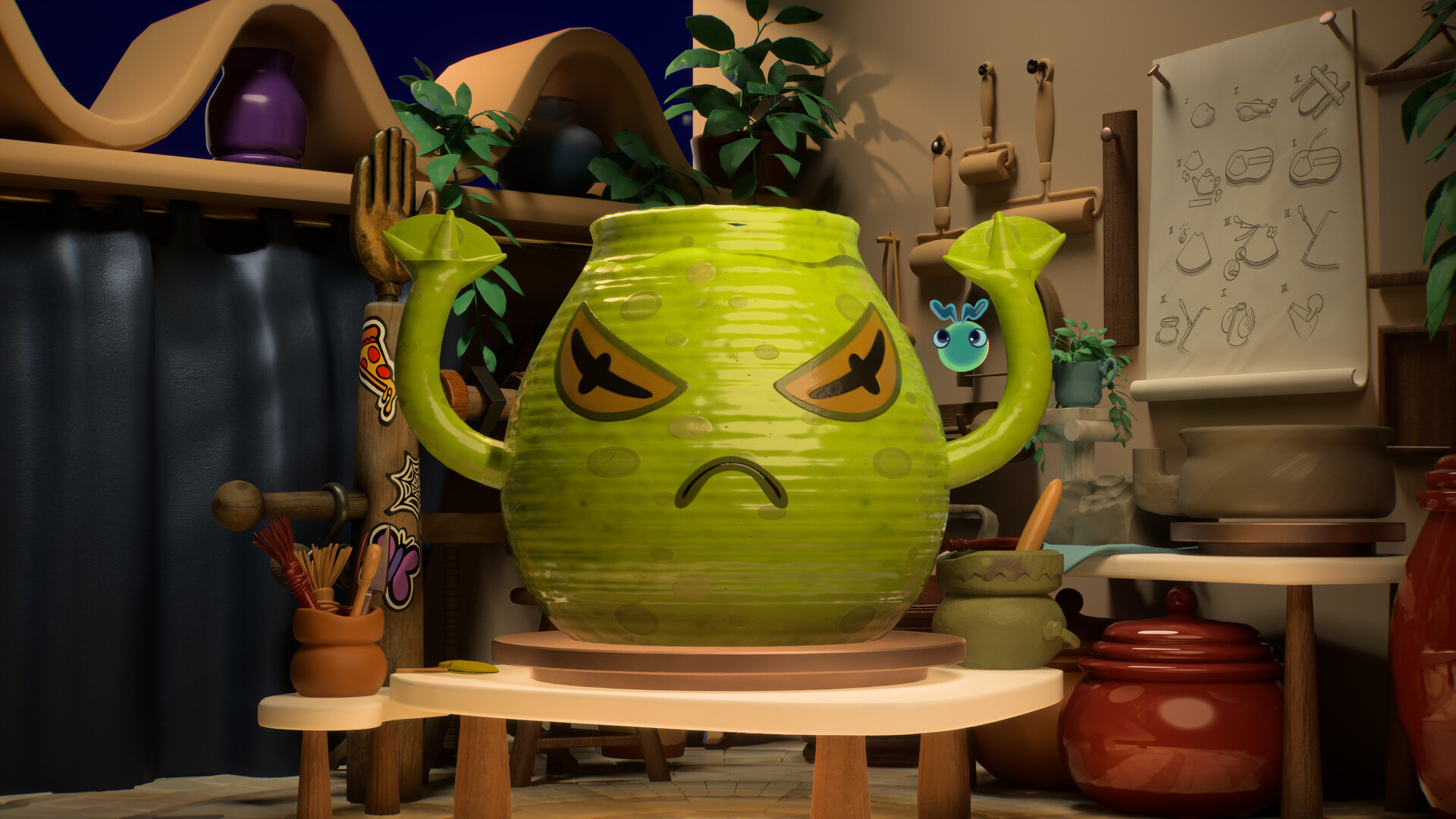
The shape of your pot plays a crucial role in determining your strategy during battles. As enemies attempt to breach your kiln, you’ll need a variety of pots to defend your base and engage in combat. Larger pots can carry more water and serve as effective attackers, while smaller pots are more resilient and better suited for defensive roles.
When you die, you respawn near your home kiln, and if timed correctly, you can perform a powerful ground pound to smash nearby enemies. During my time with Kiln, I developed a strategy that involved running to a water source, filling up, and then attacking the enemy kiln. On return, I would use a bodyslam to disrupt opponents attempting the same move. While this approach may not be the most self-preserving, it proved effective in early gameplay, especially among newer players.
A Multiplayer Game for Everyone
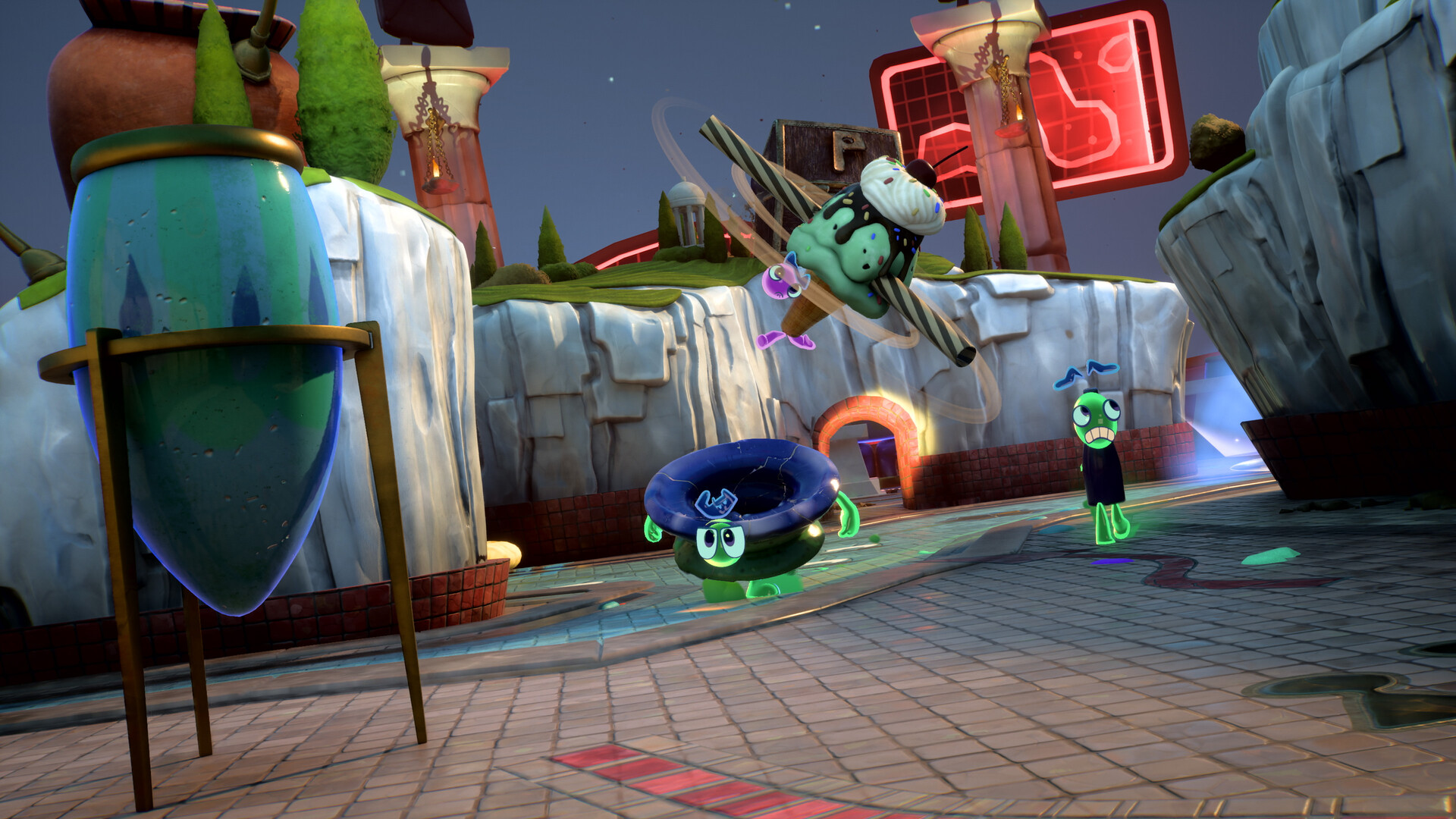
What makes Kiln particularly appealing is its approachability, especially for those who aren’t typically drawn to multiplayer games. As someone who usually prefers single-player experiences with clear narratives, I found Kiln to be a refreshing change. It manages to distract from the repetitive nature of multiplayer gameplay through its bright visuals and strategic depth.
Losses in Kiln are often due to strategy and player cleverness rather than luck or unfair mechanics. This encourages continued engagement and fosters a sense of community as players learn and adapt together. The game’s lighthearted tone and focus on fun make it a delightful experience, where seeing the creative pottery of others and witnessing the evolution of their strategies adds to the enjoyment.
Final Thoughts
Kiln is a celebration of silly little souls playing a silly little game, and it’s all the better for it. With its carefree joy and engaging gameplay, it stands out in the crowded multiplayer landscape. The game will launch for PC and Xbox Series X/S on 23 April, offering a fresh and unique experience that promises to bring joy to both casual and seasoned gamers alike.