
Astronaut Reflects on Space Mission, Korean Heritage, and the Taste of Home
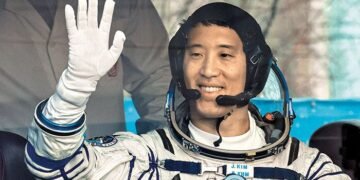
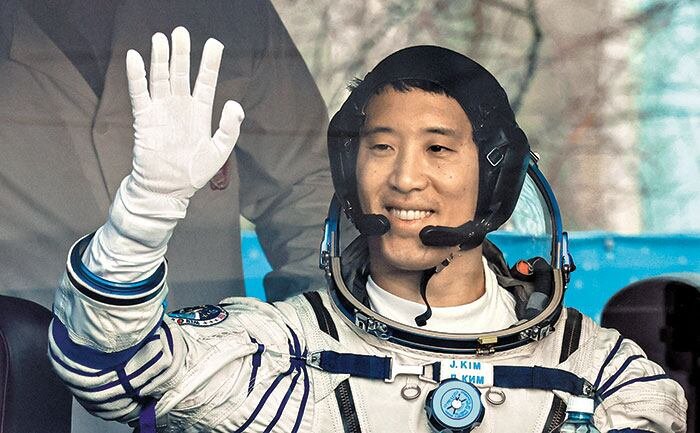
Houston, TX – After an intensive eight-month mission aboard the International Space Station (ISS), astronaut Jonny Kim, a 41-year-old Korean-American with NASA, recently returned to Earth, bringing with him a renewed appreciation for simple comforts and a deeper understanding of his personal journey. During his time in orbit, Kim found himself yearning for the familiar tastes of home, specifically identifying kimchi, rice, and seaweed as the culinary highlights he missed most.
In a virtual press conference shared via NASA’s YouTube channel on the 21st, Kim candidly discussed his dietary experiences in space. He expressed gratitude for the Thanksgiving provisions sent from the Johnson Space Center, which included traditional fare like turkey. However, he emphasized that the most cherished items were the personal “care packages” from his family.
“My family sent me foods like kimchi, rice, and seaweed,” Kim explained. “Those foods were what I had always eaten while growing up, but I could rarely access them in space. It was great to at least taste the flavors I had at home.” His connection to these foods was so profound that he previously shared a post on his Instagram account, showcasing him and fellow astronauts preparing Thanksgiving meals on the ISS, featuring staples like Hetbahn (instant rice) and kimchi.
Beyond his culinary cravings, Kim also reflected on the significant role his Korean-American identity has played in shaping his life and career. “It definitely helped shape who I am today,” he stated. He elaborated on how growing up as the child of immigrant parents instilled in him a unique perspective and a profound sense of empathy.
“In particular, I often reflect on my ability to empathize,” Kim shared. “Like many first- or second-generation Americans with immigrant parents, I grew up feeling like I was between two worlds. There was a period when I struggled to establish my identity, feeling neither fully Korean nor fully American. It was really tough, but through those experiences, I gained a deep understanding and empathy for others. Those aspects have had a strong impact on who I am now.”
A New Era for South Korean Space Exploration
Kim also expressed enthusiasm for the burgeoning South Korean space program. He acknowledged the recent establishment of the Korea AeroSpace Administration (KASA) and voiced his pride and excitement.
“I know that the Korea AeroSpace Administration (KASA) has just been launched. I am really proud and excited about it,” Kim remarked. “I think this is a great example of the benefits that can be gained through continuous international cooperation led by NASA.” His comments suggest a forward-looking perspective on global collaboration in space exploration.
Beyond the Stars: Motivation and Future Aspirations
When questioned about his motivations for becoming an astronaut, Kim revealed that his primary drive wasn’t solely the allure of space travel. “My main motivation for becoming an astronaut was not actually going to space,” he clarified. “While spaceflight is part of this job, my desire to serve in scientific exploration through the public service platform of NASA was much greater.”
Looking ahead, Kim indicated a willingness to return to space but stressed that it’s not a prerequisite for his continued service. “I would like to go to space again, but I don’t feel it’s something I must do,” he said. His current focus appears to be on fostering teamwork and maximizing the potential of his colleagues. “I am passionate about maximizing the value of the people I work with and bringing out the best in everyone.”
Earthly Wonders from an Extraterrestrial Vantage Point
Reflecting on the most awe-inspiring sights witnessed during his mission, Kim highlighted the Earth’s auroras, a phenomenon caused by solar activity. He also described observing other powerful natural events from orbit.
“I observed many natural phenomena like hurricanes and tsunamis,” Kim recalled. “While they are known to cause significant damage on Earth, viewing them from space felt majestic.” This perspective offers a unique insight into the grandeur and power of our planet, seen from a detached, yet deeply connected, viewpoint.