


The Retail Apocalypse: New Jersey Malls Struggle to Survive
Two shopping malls in New Jersey are facing significant challenges, struggling to attract shoppers even during the crucial holiday season. The Hamilton Mall and Livingston Mall paint a grim picture of the evolving retail landscape, where online shopping dominates and traditional brick-and-mortar stores fight to remain relevant.
Hamilton Mall: A Shell of its Former Self
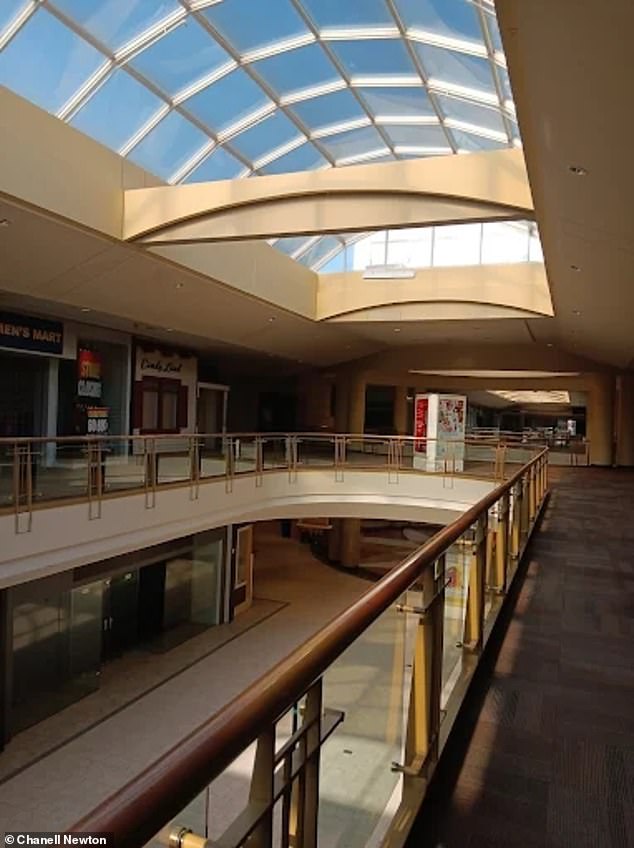
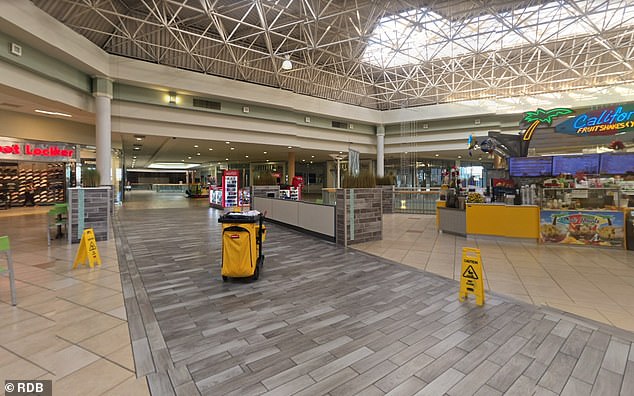
Located in southern New Jersey, the Hamilton Mall is reportedly experiencing extremely low foot traffic. Many storefronts are permanently closed, creating a desolate atmosphere. Even during what should be the busiest shopping period of the year, the mall appears lifeless. One of the few remaining tenants, Macy’s, sees only a trickle of customers browsing its aisles. A Santa Claus hired to take photos with children sits alone, awaiting customers that never arrive.
Livingston Mall: Echoes in Empty Corridors
The Livingston Mall, situated approximately 18 miles west of Manhattan, faces similar struggles. Many storefronts are shuttered behind metal gates, and the sound of footsteps echoes through the mostly empty corridors. Outside, the parking lot, riddled with potholes, serves as another stark reminder of the mall’s decline.
Robert Goodman, Hamilton Township’s community development director, expressed the sentiment of many locals, noting that while people have fond memories of the mall, they are now largely disappointed by the current experience. He stated that it is no longer a place where people gather to shop, socialize, or meet friends.
The Broader Context: The Rise of Online Retail
New Jersey’s struggling malls are not an isolated phenomenon. The retail sector is undergoing a significant shift as consumers increasingly turn to online shopping, with giants like Amazon reaping the benefits. Even major retailers with substantial brick-and-mortar presence, such as Walmart and Target, have been forced to prioritize online sales to stay competitive.
The Numbers Don’t Lie: A Shrinking Mall Landscape
The United States currently has approximately 1,200 malls. According to research by Capital One Shopping, this number could dwindle to as few as 900 by 2028. This represents a dramatic decline from the estimated 25,000 malls that existed in the US in 1986, indicating a loss of 95% over the past four decades.
The Tier System: Categorizing New Jersey Malls
James W. Hughes, a Rutgers University economist and professor, categorizes New Jersey’s 25 enclosed malls into three tiers:
Top-Tier Malls: These malls, such as the Garden State Plaza in Paramus, continue to thrive due to their luxury stores that attract customers from a wide geographic area.
Middle-Tier Malls: These malls maintain a customer base by offering essential goods and services that local residents rely on.
Bottom-Tier Malls: These malls, lacking anchor department stores like Macy’s and Nordstrom, struggle to survive and face an uncertain future.

Hughes describes these bottom-tier malls as “bottom feeders” with “no future as regional shopping destinations,” raising the question of what can be done with these failing properties.
Revitalization Efforts and the Fate of Hamilton and Livingston Malls
While some malls in New Jersey are undergoing extensive renovations to adapt and remain viable, the same cannot be said for the Livingston Mall and Hamilton Mall.
Hamilton Mall has suffered significant losses in recent years, with dozens of stores closing, including Sears, JCPenney, Shopper’s World, Friendly’s, and Build-a-Bear.
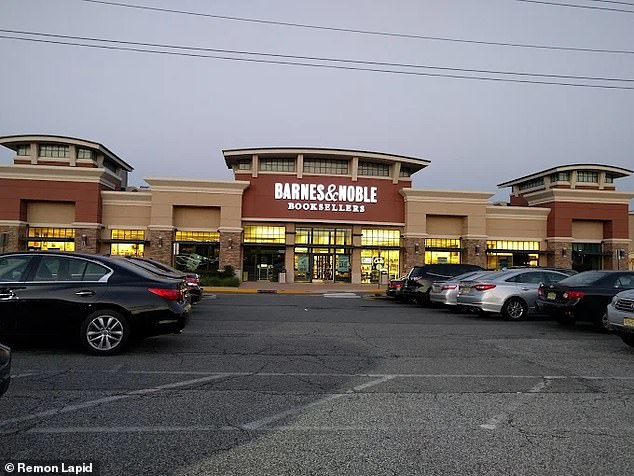
Livingston Mall still houses Macy’s and Barnes & Noble, but other chains, such as Sears, Claire’s, Justice, Kay Jewelers, and Children’s Place, have departed in recent years.
The Parking Lot Problem
The decline of these malls is compounded by issues such as poor maintenance. One shopper, Laura Botwin, recounted how her son accidentally drove into a sinkhole in the Livingston Mall parking lot, highlighting the deteriorating conditions and raising safety concerns. She expressed her fear of visiting the parking lot due to its poor state.
The Future of Malls: A Shift in Perception
The fundamental challenge facing malls is a change in consumer perception. Malls are no longer seen as desirable places to spend time, particularly as they fall into disrepair and offer fewer shopping options. The rise of online retail and the convenience it offers has further diminished the appeal of traditional malls, leaving many to wonder about their long-term viability.