Chaos Erupts on Melbourne Metro as Explosions Rock Craigieburn Line
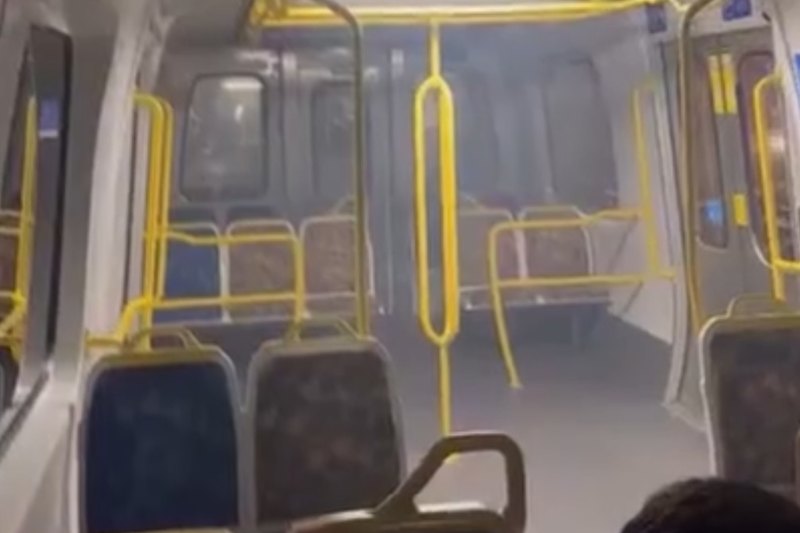
Panic gripped passengers aboard a Melbourne Metro train yesterday evening when a series of startling explosions ripped through a carriage. The terrifying incident, which occurred on the Craigieburn line near North Melbourne Station around 6pm, sent commuters scrambling for safety amidst flashing sparks and billowing smoke.
Eyewitness footage captured the dramatic moments, showing bright sparks igniting within the train compartment. The air quickly filled with smoke, heightening the sense of fear among those on board. Screams and exclamations of distress could be heard as passengers desperately sought to shield themselves from the unfolding chaos. The sudden and violent nature of the blasts left travellers shaken and disoriented.
Metro Trains, the operator of the service, attributed the alarming event to an “overhead power fault.” This electrical malfunction is believed to have been the cause of the sparks and subsequent explosions heard within the carriage. Following the incident, Metro Trains issued a warning that train services on the affected line, and potentially others, could experience significant disruptions. Passengers were advised to expect trains to be held at platforms or to be stopped between stations for an extended duration as authorities assessed and rectified the situation.
For those directly caught in the carriage where the explosions occurred, the ordeal extended for approximately an hour. Passengers were reportedly stranded, left to wait in uncertainty as the situation was managed. The prolonged delay would have undoubtedly added to the stress and anxiety experienced by everyone involved.
Later in the evening, Metro Trains updated its service status on the social media platform X, indicating that the immediate incident had been resolved. However, they cautioned that minor delays might persist throughout the remainder of the evening, a common consequence of such significant service disruptions. The incident served as a stark reminder of the potential vulnerabilities within public transport infrastructure.
Thankfully, despite the frightening nature of the event and the palpable fear of those on board, no injuries were reported. The absence of physical harm is a significant relief, though the psychological impact of experiencing such a dramatic and unexpected event is not to be underestimated. Commuters will likely recall the unsettling experience for some time to come.
The Impact of the Overhead Power Fault
Overhead power faults on electric train lines, while not an everyday occurrence, can have a range of consequences, from minor delays to more severe incidents like the one experienced yesterday. These faults typically involve a disruption to the flow of electricity from the overhead wires to the train’s pantograph, the device that collects the power.
How it Happens:
- Damage to the overhead wires or supporting structures can cause them to sag or break, leading to contact issues.
- Problems with the pantograph itself, such as wear and tear or mechanical failure, can result in poor contact or even damage to the overhead equipment.
- Environmental factors like severe weather, fallen trees, or even bird strikes can interfere with the overhead lines.
- Electrical surges or short circuits can also trigger protective mechanisms, sometimes resulting in visible arcing or sparks.
Consequences:
- Service Disruptions: The most immediate impact is usually a halt to train services on the affected line as power is isolated for safety.
- Delays: Even after the initial issue is resolved, the need for inspections, repairs, and the re-energisation of the line can lead to significant and prolonged delays.
- Passenger Inconvenience: Stranded passengers, like those yesterday, face uncertainty, discomfort, and potential missed appointments or commitments.
- Safety Concerns: While rare, severe faults can pose a risk of electrical shock or fire, as potentially indicated by the explosions and sparks seen in the Melbourne incident.
Metro Trains’ swift response in diagnosing the fault and initiating repairs, coupled with their communication to passengers, is crucial in managing such situations. The focus remains on ensuring the safety and reliability of the metropolitan rail network.