Government Departments Opt for Fossil Fuels Despite Net-Zero Push
Despite the government’s ambitious drive towards achieving net-zero renewable energy targets, a recent investigation has revealed a stark contradiction: several key government departments and agencies, including the very body spearheading this initiative, continue to rely on electricity generated from fossil fuels. Freedom of Information (FOI) requests have brought to light that these entities have been opting for cheaper, conventionally sourced ‘brown’ power tariffs over more sustainable ‘green’ energy alternatives.
Corin Dalby, the chief executive of Box Power, the organisation that compiled the FOI data, expressed his dismay, stating, “The data demonstrates hypocrisy at the heart of the government’s energy policy.” The findings indicate that a substantial majority – over four-fifths – of the electricity powering government buildings in Whitehall is derived from the standard grid mix, which is significantly composed of fossil fuels. This ‘brown’ power, while more economical, directly undermines the stated environmental goals of the administration.
One government agency, operating under the purview of the Department for Energy Security and Net Zero, candidly admitted to refusing to transition to ‘green’ energy. Their justification for this decision was that renewable energy tariffs were perceived to offer poor value for money. Mr. Dalby drew a pointed analogy to highlight the perceived inconsistency: “Imagine if the Department of Health said it won’t buy healthy food because crisps are more affordable.”
This revelation stands in contrast to the efforts of many local authorities. Approximately half of all councils have embraced more expensive ‘green’ or ‘no carbon’ power options. Collectively, these councils are estimated to be spending an additional £10 to £20 million annually on their energy procurement to support these sustainable choices.
Financial Considerations Versus Environmental Commitments
The pursuit of cost-effectiveness appears to be a primary driver for many government bodies. The Mining Remediation Authority, an agency affiliated with the Department for Energy Security and Net Zero, acknowledged its expenditure of £8.5 million on ‘brown’ power. The stated rationale for this decision was to “provide the best value for the taxpayer.” By avoiding the estimated two to four per cent additional cost associated with green energy, these entities are prioritising immediate financial savings over long-term environmental benefits.

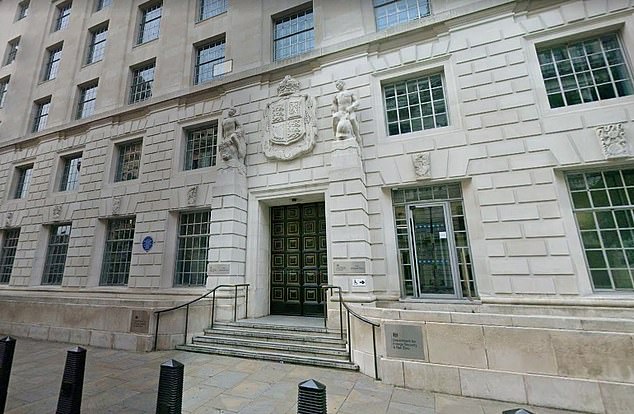
Mr. Dalby further elaborated on the implications of these findings, suggesting that the situation points to several possible issues: “This whole mess implies either that green tariffs are overpriced, the government doesn’t believe its own messaging, or its green policy is more PR than practice.” This sentiment underscores a broader concern about the sincerity and practical implementation of the government’s environmental agenda.
Official Response and Future Outlook
In response to these allegations, a spokesperson for the Department for Energy Security and Net Zero highlighted the progress made in reducing direct emissions from public sector buildings. They reported a 47 per cent reduction in these emissions between 1990 and 2024. The spokesperson also emphasised the government’s commitment to clean energy, stating, “This government has put clean energy at the heart of its agenda, attracting billions in clean energy investment that will help to protect the public sector, businesses and households from volatile fossil fuel markets.”
This official statement suggests that while immediate procurement choices might favour cheaper, fossil-fuel-based energy, the broader strategy remains focused on transitioning towards cleaner energy sources and mitigating the impact of fluctuating fossil fuel prices. The challenge lies in reconciling the short-term financial pressures faced by government departments with the long-term imperative of achieving net-zero emissions. The investigation serves as a critical reminder of the need for consistent application of environmental policies across all levels of government and the importance of aligning procurement decisions with stated climate objectives. The ongoing debate highlights the complex interplay between economic realities and environmental responsibilities in the pursuit of a sustainable future.