
Rising Popularity of Electric Vehicles in Australia
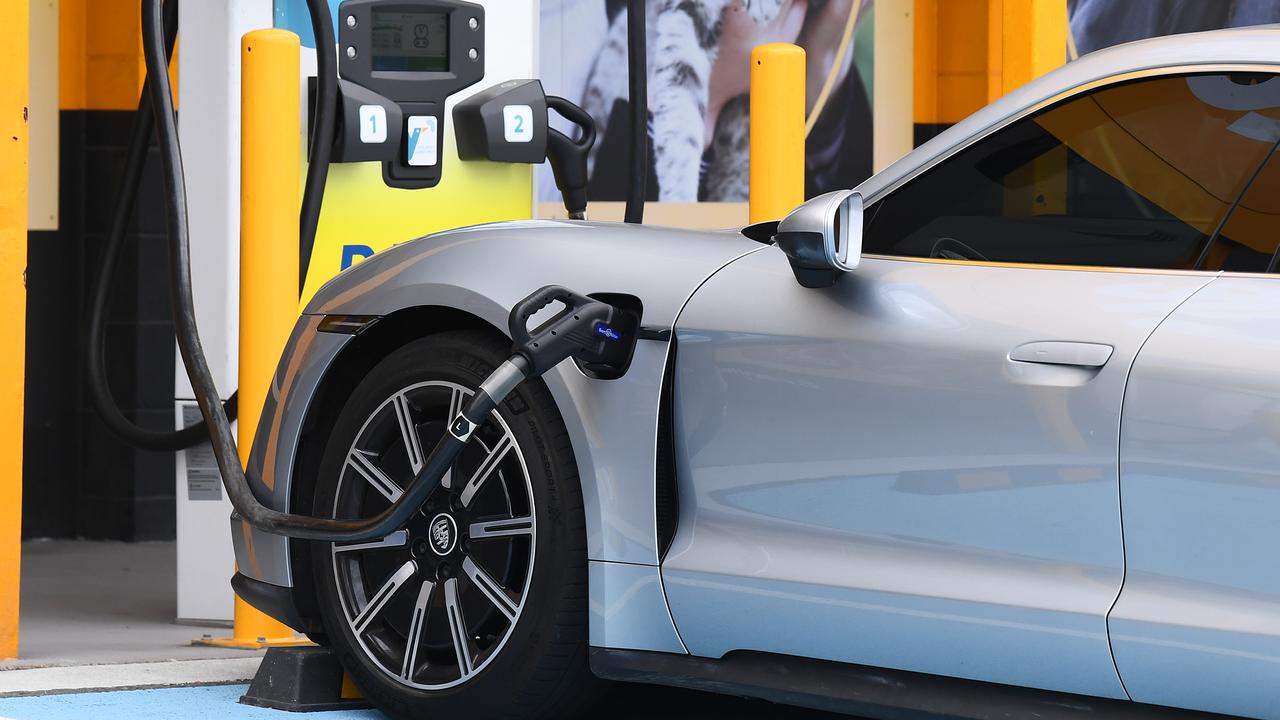
Australians have shown a growing interest in electric vehicles (EVs) as fuel prices and shortages continue to rise, driven by the ongoing conflict in the Middle East. This has led to a significant increase in EV sales, with more than 15,800 new electric cars sold in March, nearly doubling the previous year’s figures. This surge marks a national record for the month, according to data released by the Federal Chamber of Automotive Industries.
The shift towards electric vehicles is not just a temporary response to the current crisis but could signal a long-term change in consumer behavior. Experts suggest that more Australians are now considering EVs due to financial concerns rather than environmental reasons. This trend is expected to continue if fuel shortages persist, potentially leading to even higher EV sales in the coming months.
A Shift in Consumer Priorities
According to the Federal Chamber of Automotive Industries, electric vehicles accounted for 14.6% of all new car sales in March, compared to 7.5% in March 2025. This represents the highest number of electric vehicles sold in a single month in Australia. Despite a slight decline in overall new car sales, the demand for EVs has remained strong.
Tony Weber, the chief executive of the Federal Chamber of Automotive Industries, noted that while the increase is notable, it is too early to determine if this marks a permanent shift in the market. He emphasized that more consumers are considering EVs due to disruptions in fuel supply caused by the Middle East conflict, as well as changes in fringe benefits tax concessions for EVs.
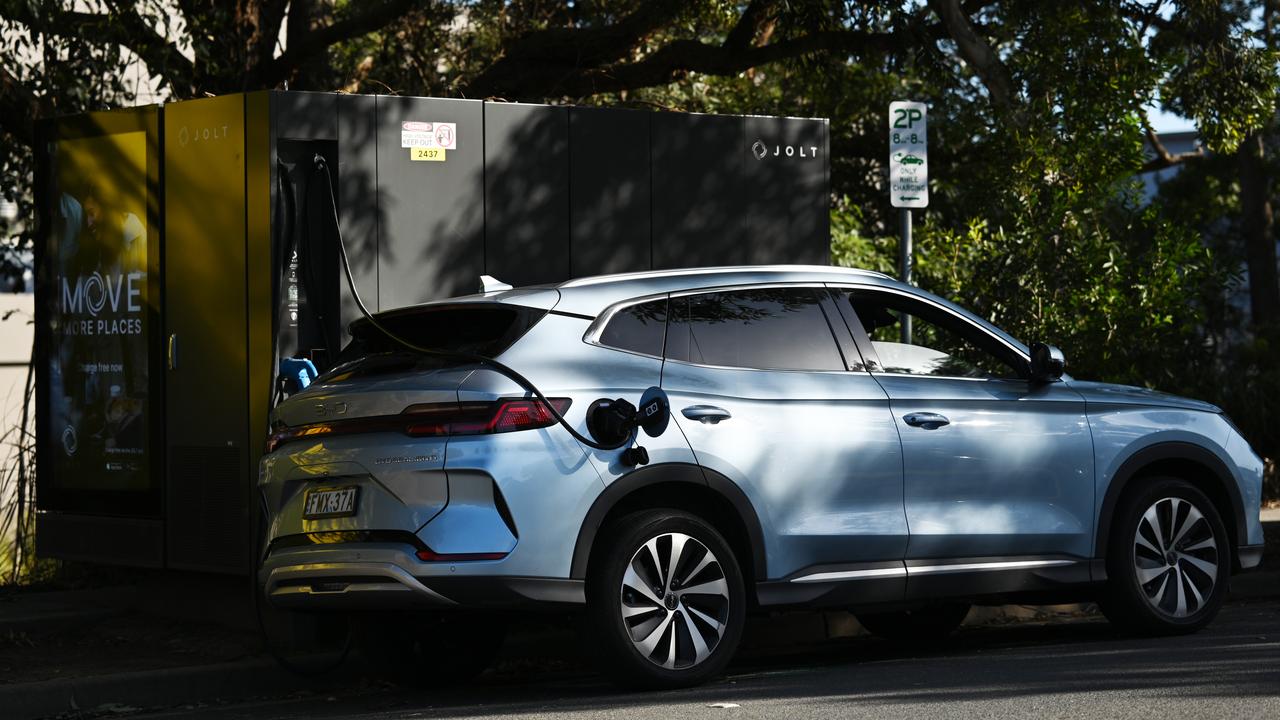
James Voortman, chief executive of the Australian Automotive Dealer Association, highlighted that rising fuel prices and shortages have encouraged buyers who were previously hesitant about electric vehicles. He pointed out that many consumers are now evaluating the long-term running costs of their next vehicle, which has further boosted interest in EVs.
Hussein Dia, professor of future urban mobility at Swinburne University, believes that the trend could be here to stay. He noted that more drivers are discovering that electric vehicles are cheaper to run and easier to refuel, leading to a genuine behavioral change among consumers.
Growth in Low-Emission Vehicle Sales
The popularity of electric vehicles has not been isolated. Sales of other low-emission cars also increased significantly during March. Hybrid vehicle sales rose by 6.7% to nearly 18,000 units, while plug-in hybrid sales increased by 18.5% compared to the same period in 2025.
In contrast, petrol vehicle sales declined by 20.8%, and diesel vehicle sales fell by 10.1%. This shift highlights the growing preference for cleaner and more cost-effective alternatives.
The surge in EV sales coincides with the federal government’s review of the Electric Car Discount and considerations for introducing a road-user charge to replace revenue from fuel excise. These developments may further influence consumer choices in the future.
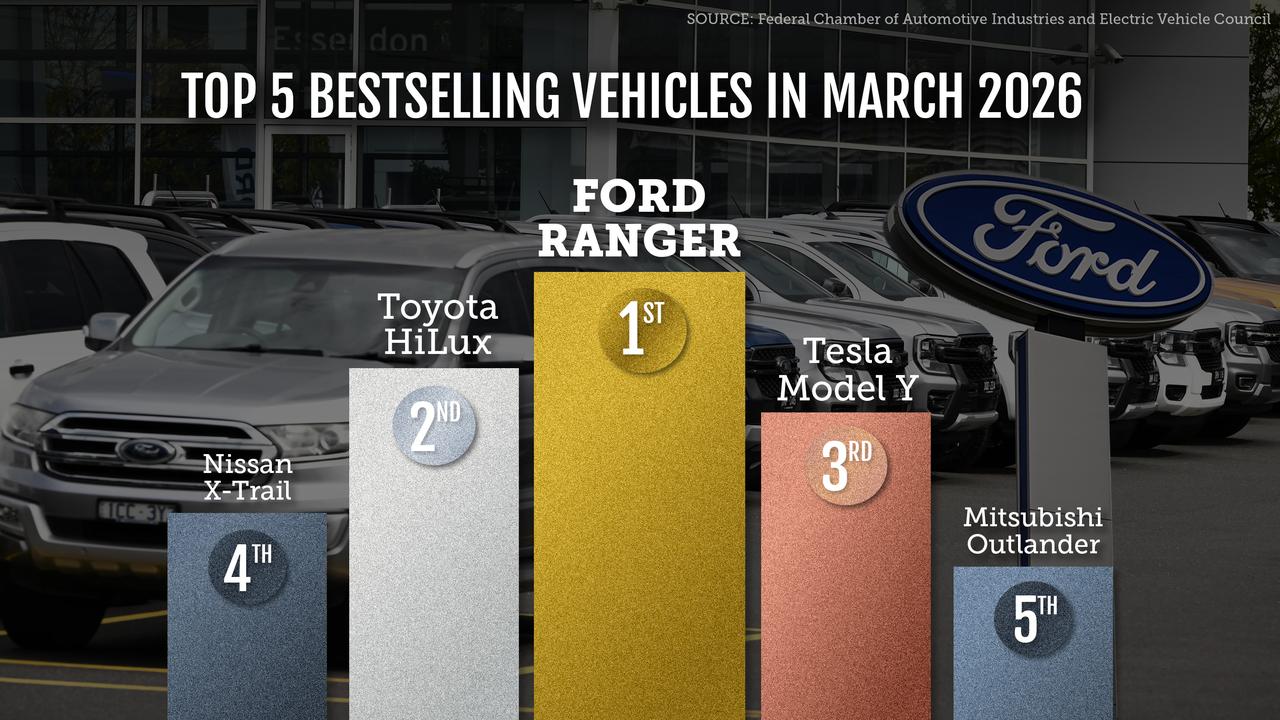
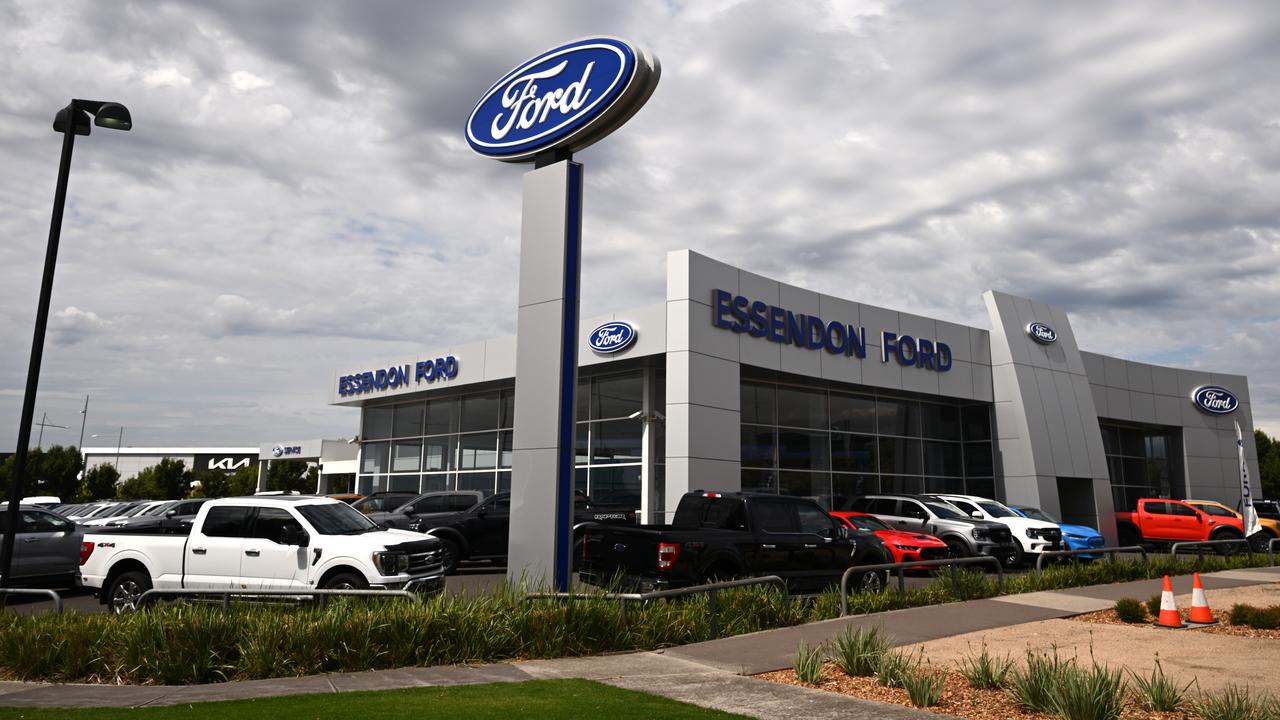
Despite the growing trend, traditional models like the Ford Ranger ute still hold the title of Australia’s best-selling vehicle for March. The Toyota HiLux ute followed closely behind. Toyota remained the top automotive brand in the nation, followed by Mazda, Kia, Ford, and Hyundai.