
A Major Tech Initiative Takes Shape in Kenya
A significant university-led technology initiative is underway in Kenya, with thousands of devices set to power digital hubs across the country. This project combines innovation, skills training, and national development in a way that could fundamentally change access to technology.
Behind the scenes, students are gaining valuable real-world experience that bridges classroom learning with industry needs. The initiative not only supports technological growth but also empowers the next generation of Kenyan professionals.
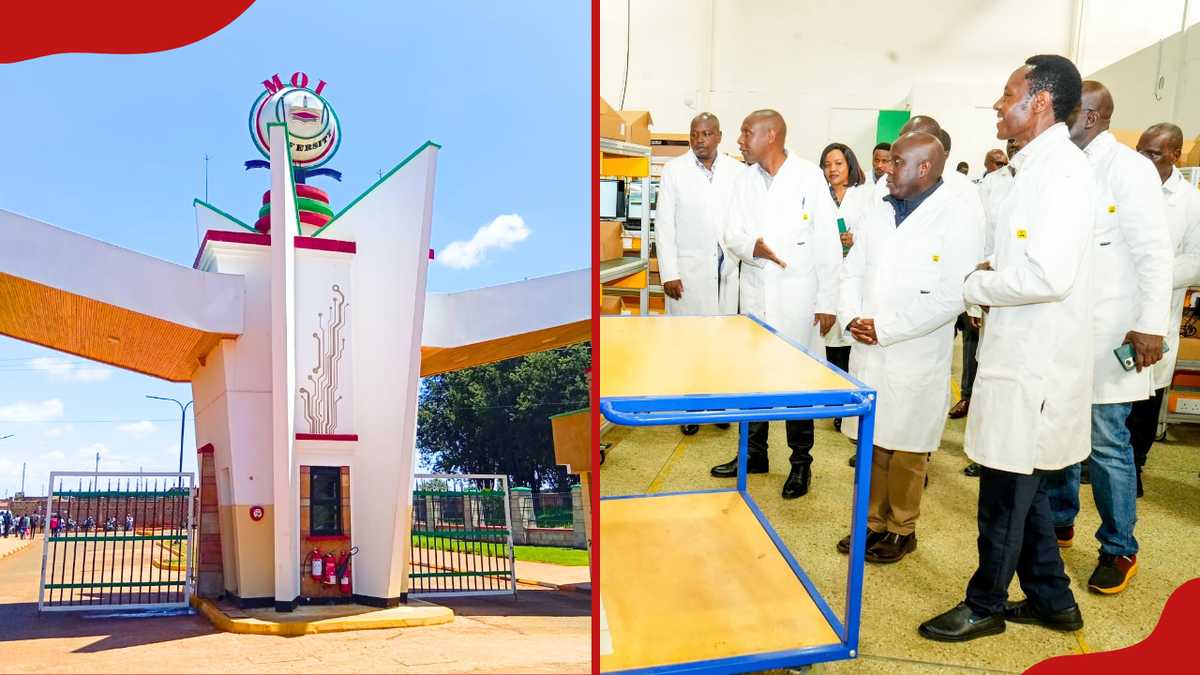
Moi University has officially launched the assembly of 7,000 desktop computers for the Jitume Digital Hubs Project. 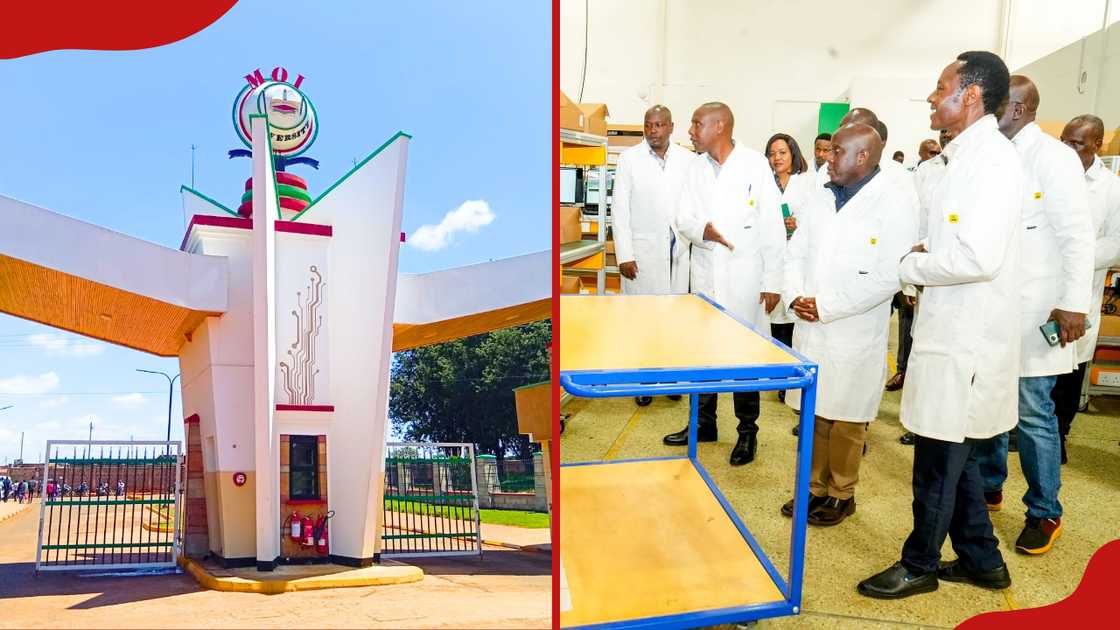
This effort marks a major step in Kenya’s broader push to expand access to digital services and skills nationwide. Implemented through the university’s technology and innovation arm, MU Technologies, the project was officially launched by Acting Vice-Chancellor Professor Kiplagat Kotut on Wednesday, March 25. The initiative involves local assembly, supply, delivery, installation, and commissioning of the devices in collaboration with the Konza Technopolis Development Authority.
During the launch, Kotut emphasized the university’s growing role in digital innovation, technology development, and skills training. He highlighted that MU Technologies was established to support computing, telecommunications, and digital transformation while providing practical training opportunities for students and contributing to national ICT projects.
MU Technologies operates a digital assembly plant capable of assembling devices and offering repair, warehousing, and after-sales services. This infrastructure positions the university to effectively support national digital programs and drive technology growth.
The Jitume Digital Hubs Project is part of the government’s larger plan to establish digital hubs across Kenya. These hubs aim to expand access to digital services, online work, innovation, and entrepreneurship, particularly in rural and underserved areas. The hubs are expected to unlock opportunities in online jobs, e-commerce, digital government services, and the creative economy.
Under the project, Moi University will handle the local assembly of the computers, their delivery and installation across the country, as well as after-sales support and maintenance for two years.
How Will the Project Impact Students?
The initiative offers hands-on training for students in various areas such as computer assembly, quality control, software installation, logistics, installation, maintenance, and technical support. This not only strengthens the university’s role in research, innovation, and industry collaboration but also equips students with essential skills for the modern workforce.
Kotut expressed gratitude to the government, Konza Technopolis Development Authority, project partners, and the university community for their support. He noted that the institution is proud to contribute to national development through practical projects that create skills, jobs, and innovation opportunities.
Insights from the Principal Secretary on Kenya’s Digital Economy
Principal Secretary in the State Department for ICT and Digital Economy, John Tanui, visited the facility on March 28 and praised Moi University for its growing capacity to produce electronic devices locally. He encouraged the institution to scale up its efforts in the sector.
“I want to encourage you to fully explore this space. When we talk about Kenya moving from a third-world to a first-world country, we must look at economies like Malaysia, Singapore, and South Korea. Their economic structures show us the areas we need to strengthen, and the electronics sector stands out as very critical,” Tanui said.
He expressed concern that Kenya’s local production and export of digital devices remain largely untapped, noting that the country has yet to benefit meaningfully from the sector. Tanui urged stakeholders to invest more in building a strong electronics industry.
He stressed that expanding the electronics sector is key to driving Kenya’s transformation into a developed economy, while commending the university’s initiative as an important step toward advancing local manufacturing and innovation.
Additional devices are being assembled at Jomo Kenyatta University of Agriculture and Technology (JKUAT).


