
Hyundai’s Bold Move in the Chinese EV Market
Hyundai is set to make a significant shift in its electric vehicle (EV) strategy within the Chinese market. This transformation is marked by the official launch of its Ioniq EV sub-brand and the introduction of two unique concept vehicles that reflect a new direction for the company.
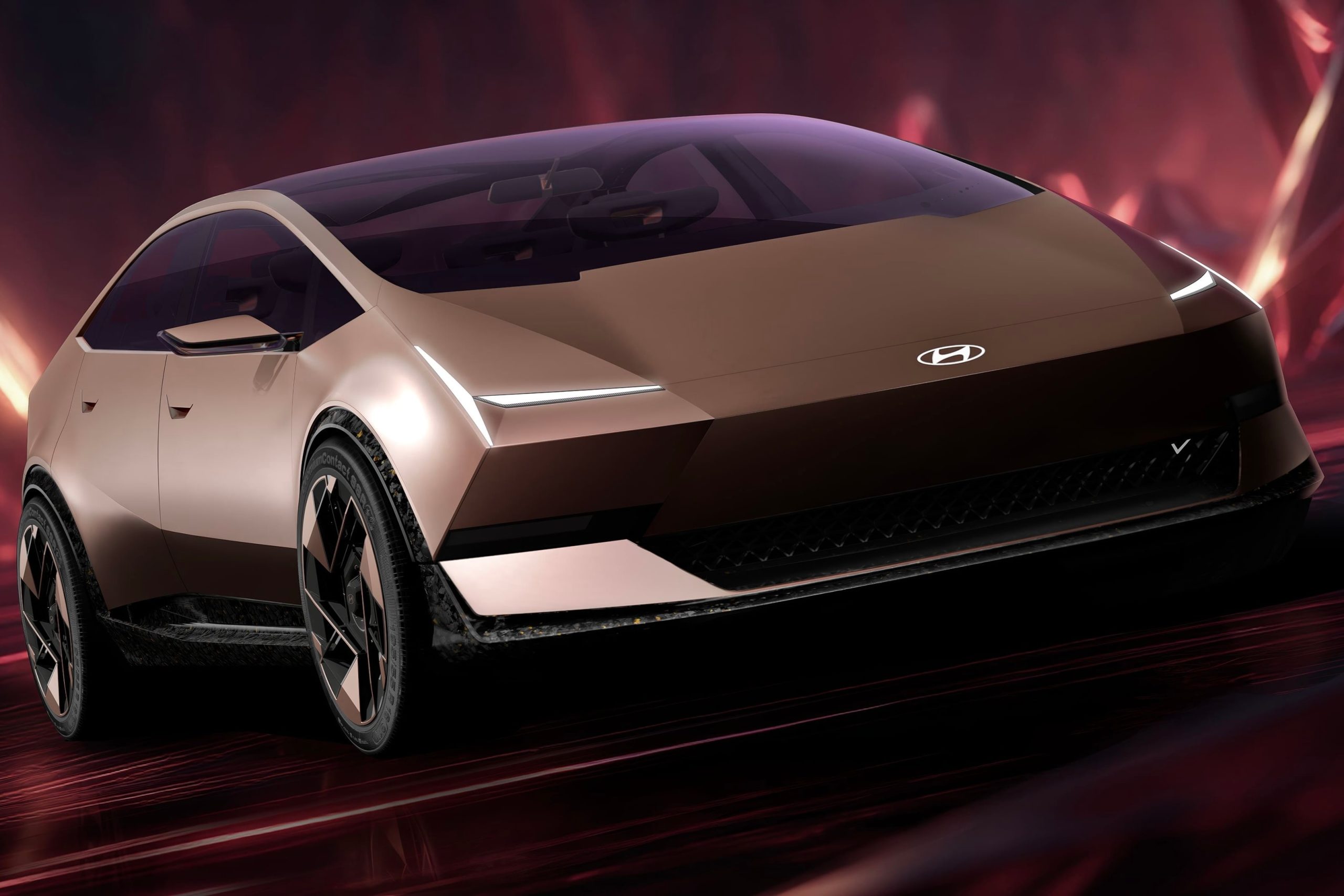
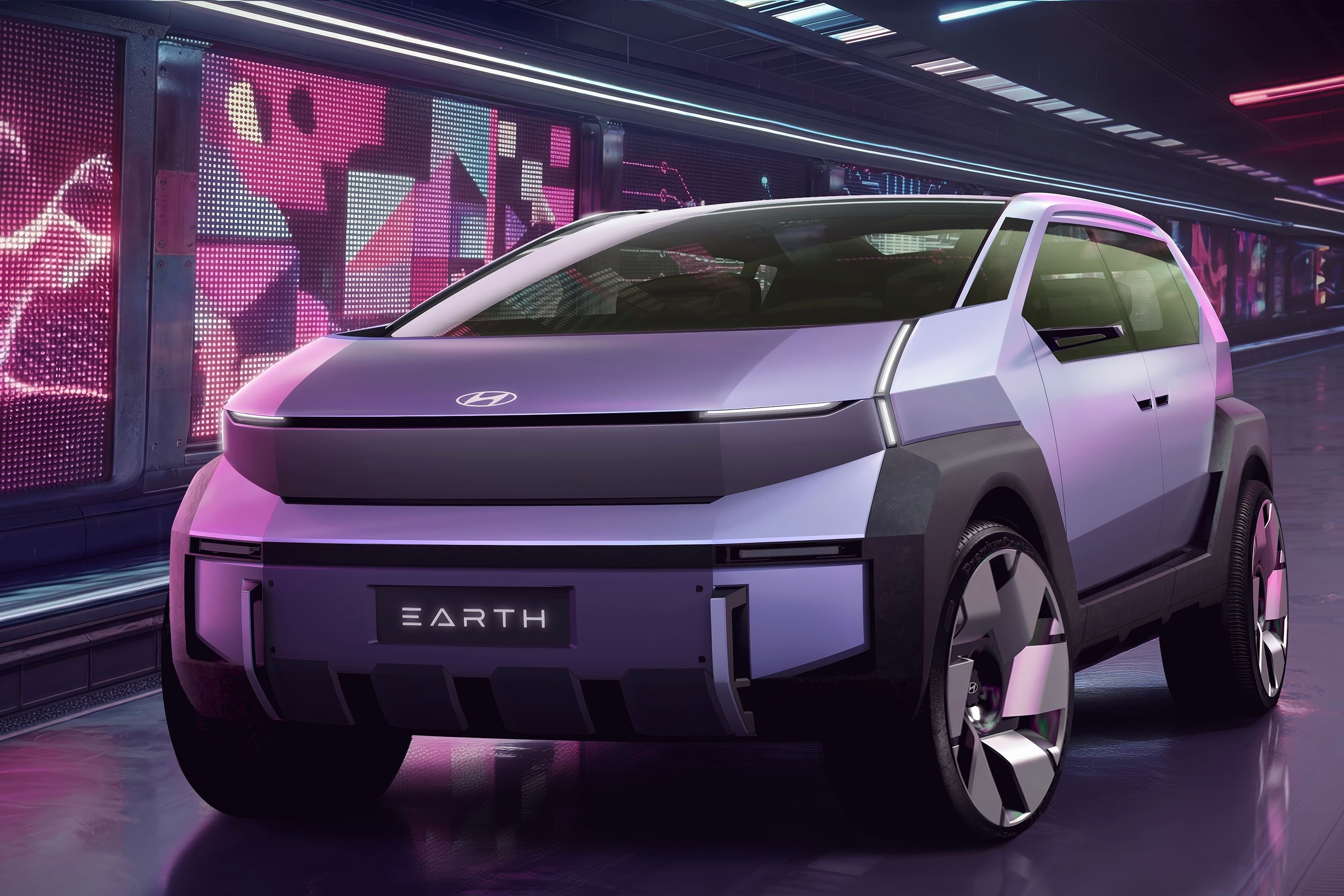
The Venus sedan and Earth SUV are two China-specific concepts that signal a major change from Hyundai’s existing EV models. These concepts are designed to embody a “lead, don’t follow” approach, emphasizing Hyundai’s commitment to innovation in the Chinese market.
New Naming Convention and Design Philosophy
As part of this strategic shift, Hyundai is introducing a new naming convention for its EV lineup. Instead of using names similar to its current models like Ioniq 5, Ioniq 6, and Ioniq 9, the brand will name its new vehicles after planets, reflecting a vision centered around the customer.
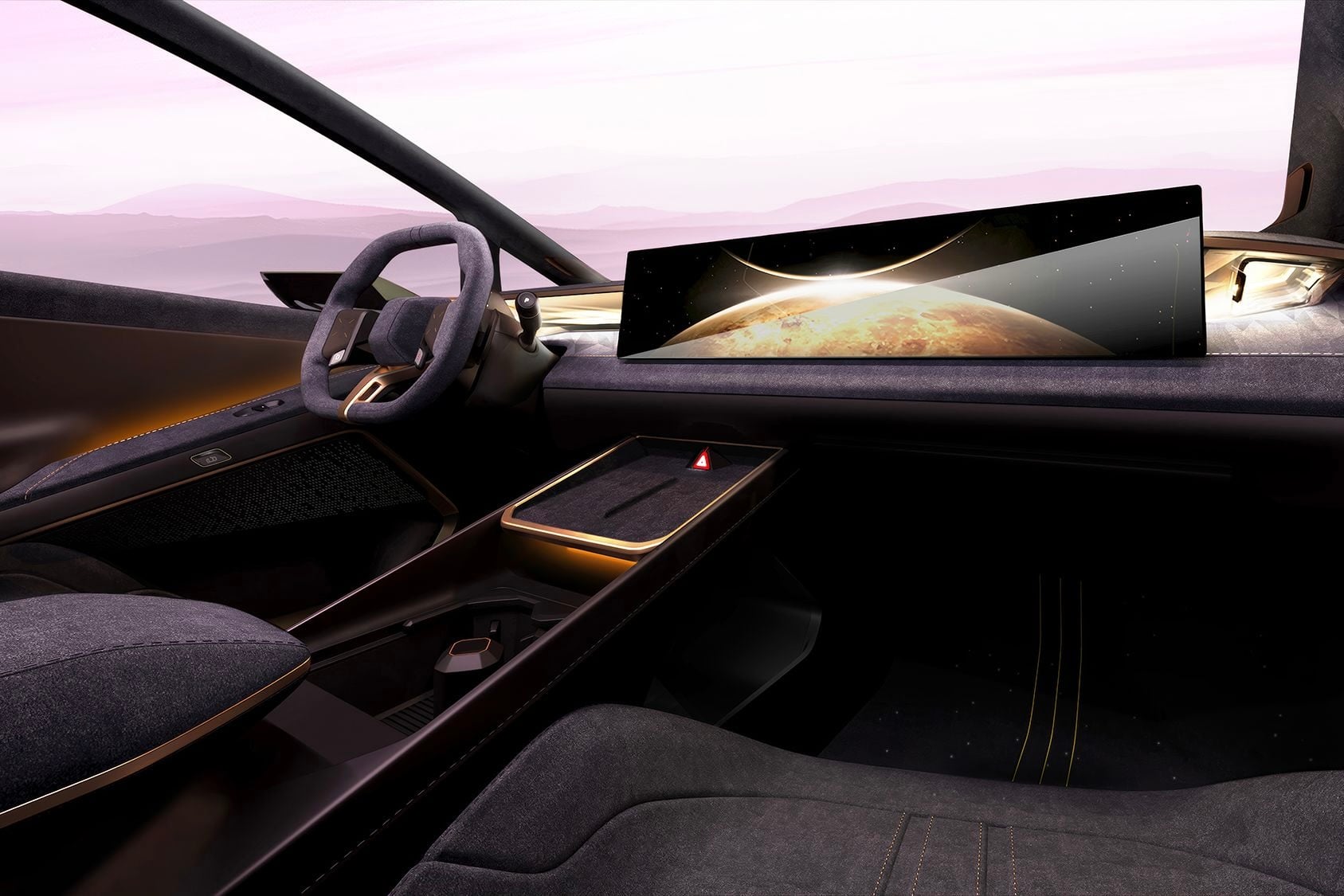
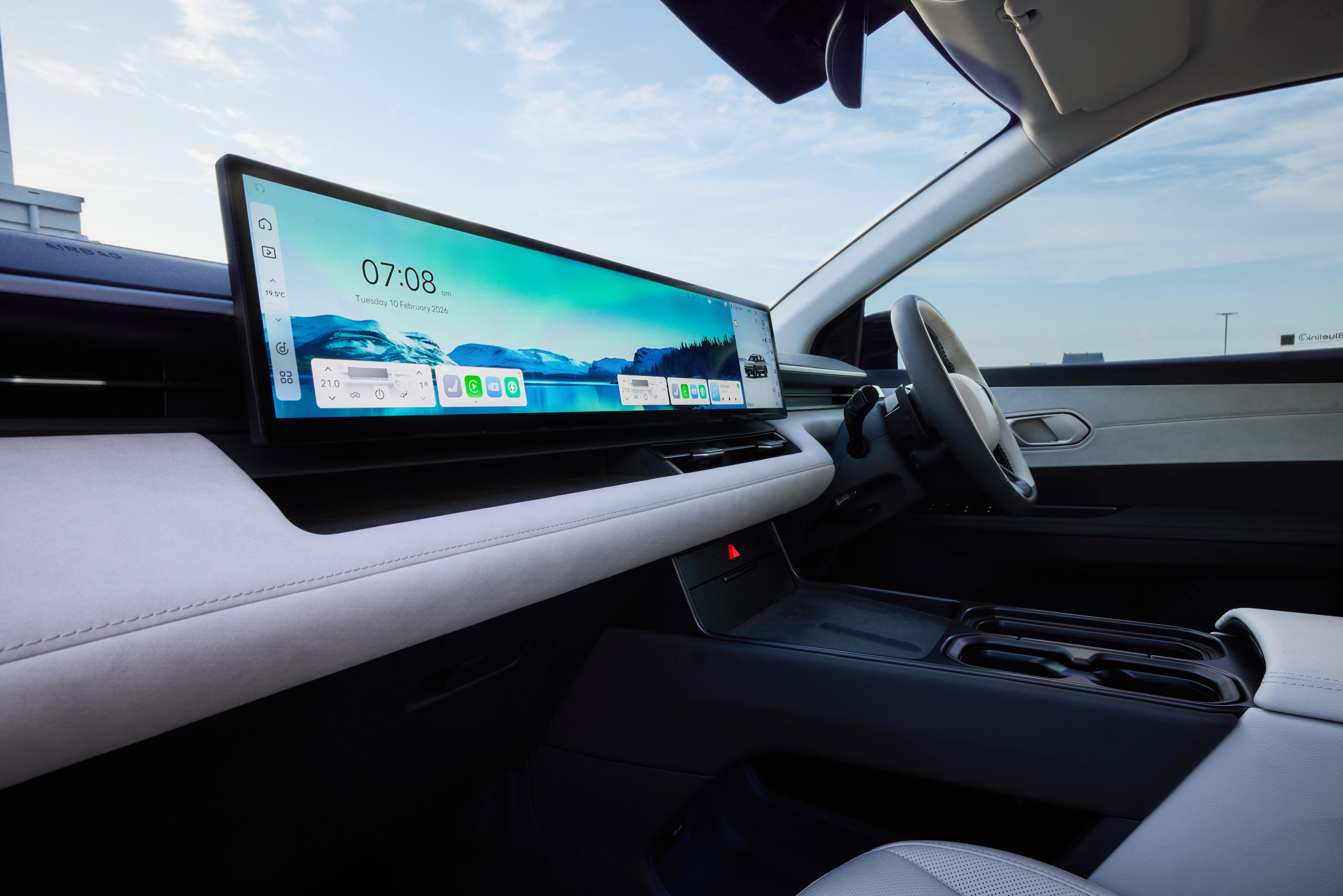
The design of these concepts also diverges significantly from Hyundai’s current Ioniq models. The Venus concept features a sleek one-curve profile that seamlessly integrates the bonnet, cabin, and boot into a single smooth arch. This is a stark contrast to the more curvy Ioniq 6. The Venus is finished in radiant gold, symbolizing its planetary inspiration, and includes a lightweight roof structure and a transparent spoiler. Inside, it boasts a driver-focused interior with layered mood lighting, premium materials, and a screen that nearly spans the width of the car.
Rugged Design and Comfort Features
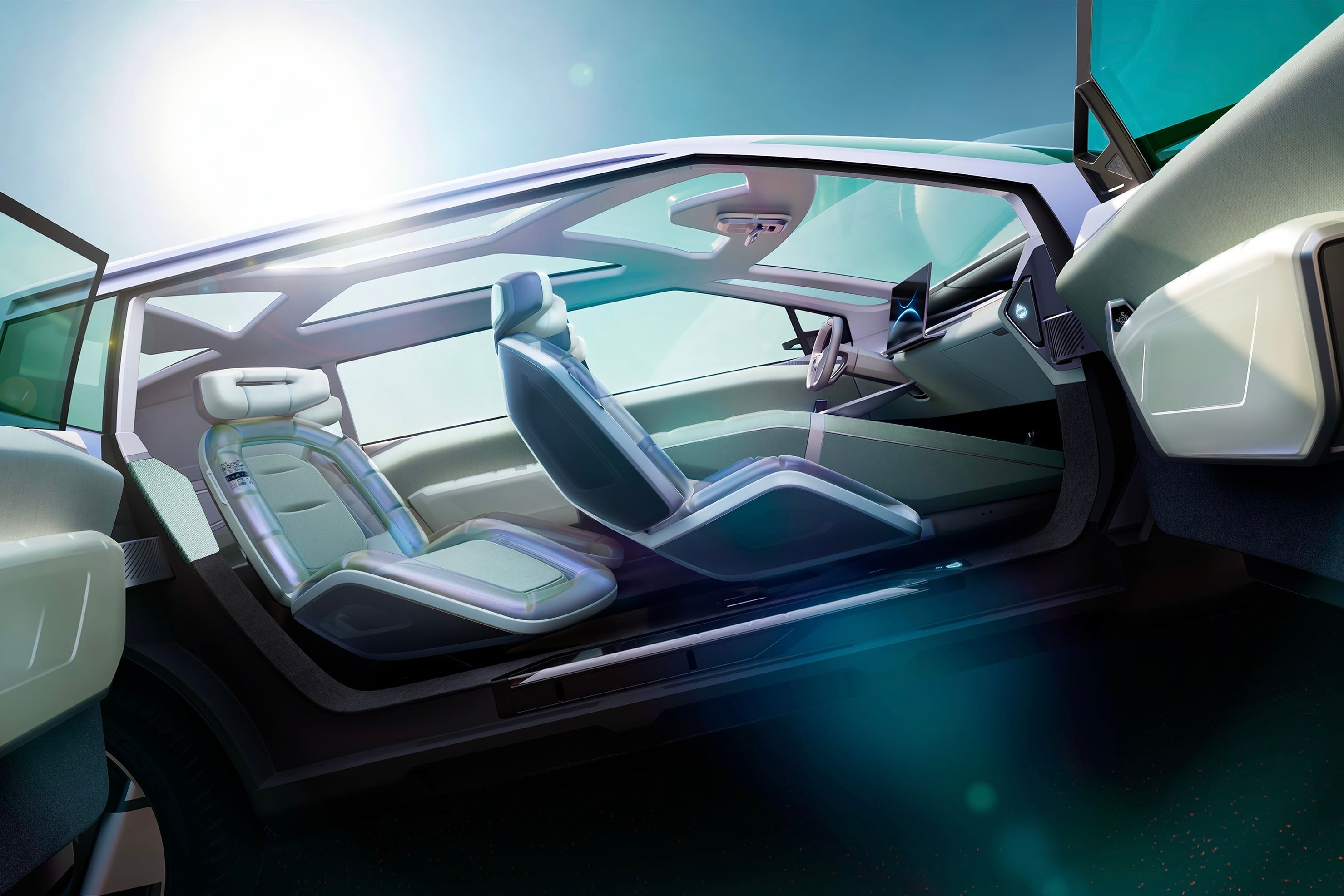
In contrast, the Earth SUV presents a more rugged exterior with pronounced body cladding and robust front and rear bumpers, suggesting an adventurous, outdoor-oriented design. Its interior is equally distinctive, featuring “air-hug” seats, “nature-inspired lighting,” and “subtle shy-tech features” that create a comfortable and breathable space.
Uncertain Platform and Global Ambitions
While details about the platform on which these concepts will be built remain unclear, there are indications that they may use a new EV architecture separate from Hyundai’s E-GMP framework. It is also uncertain whether Hyundai plans to roll out these new models globally. However, the brand’s stated ambition of “In China, For China, To Global” suggests potential for expansion.
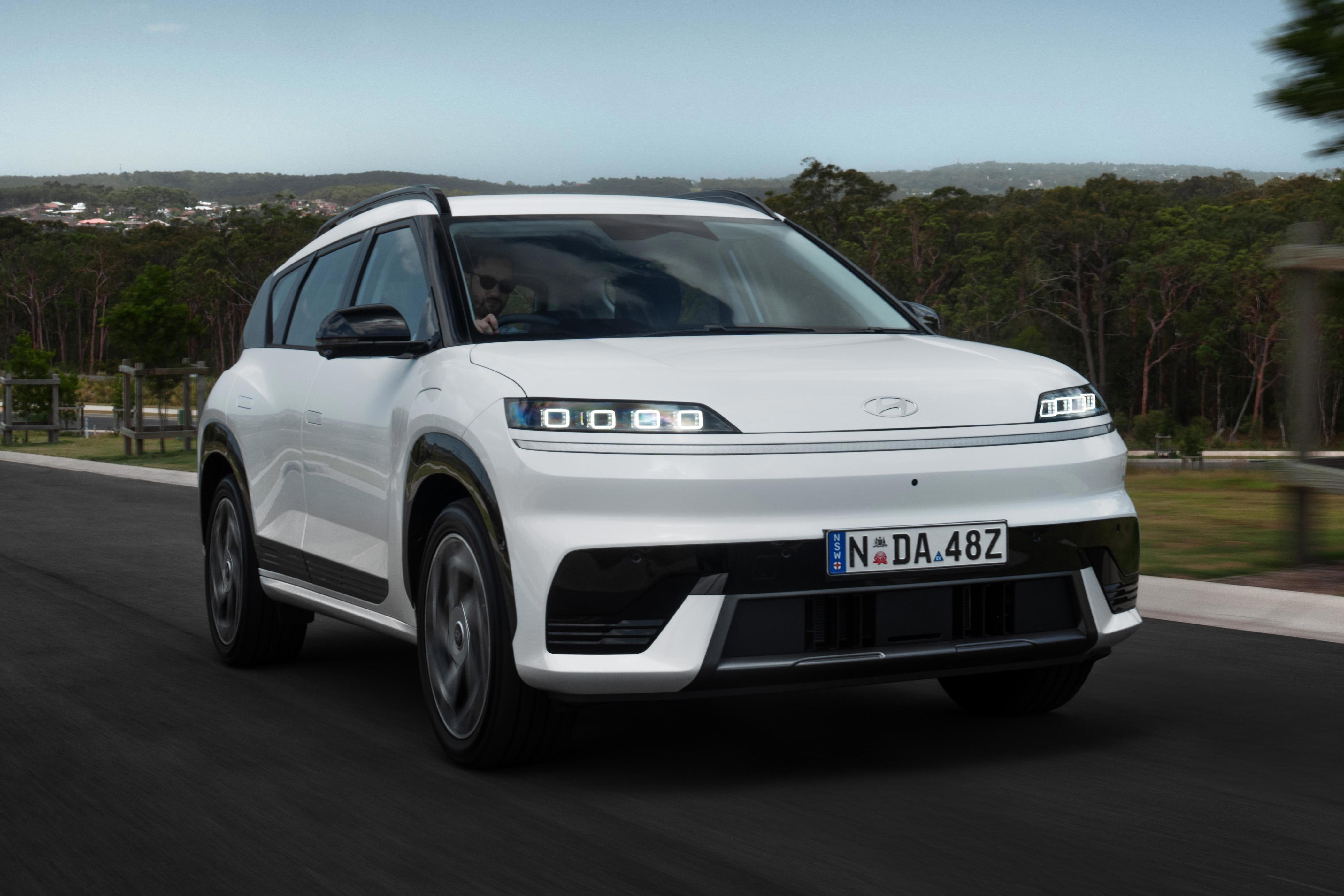
Hyundai’s recently launched Elexio electric SUV, built in China through a joint venture with BAIC Motor, is exported to global markets such as Australia. This partnership could serve as a model for expanding the reach of future EVs.
Strategic Push in the Chinese Market
The launch of the Ioniq EV sub-brand in China represents Hyundai’s most prominent effort to gain traction in the EV market. Despite offering a wide range of EVs globally, Hyundai has struggled to make a significant impact in China. Besides the Elexio, the brand has only sold a few EVs in the region, including the now-defunct Lafesta EV sedan.
The Beijing Hyundai joint venture, which previously sold over a million vehicles annually, has seen a decline in sales, reaching a low of 125,726 units in 2025. While some of this decline can be attributed to a lack of suitable models, external factors such as retaliatory measures from the Chinese government have also played a role.
Industry-Wide Shift in the Chinese EV Market
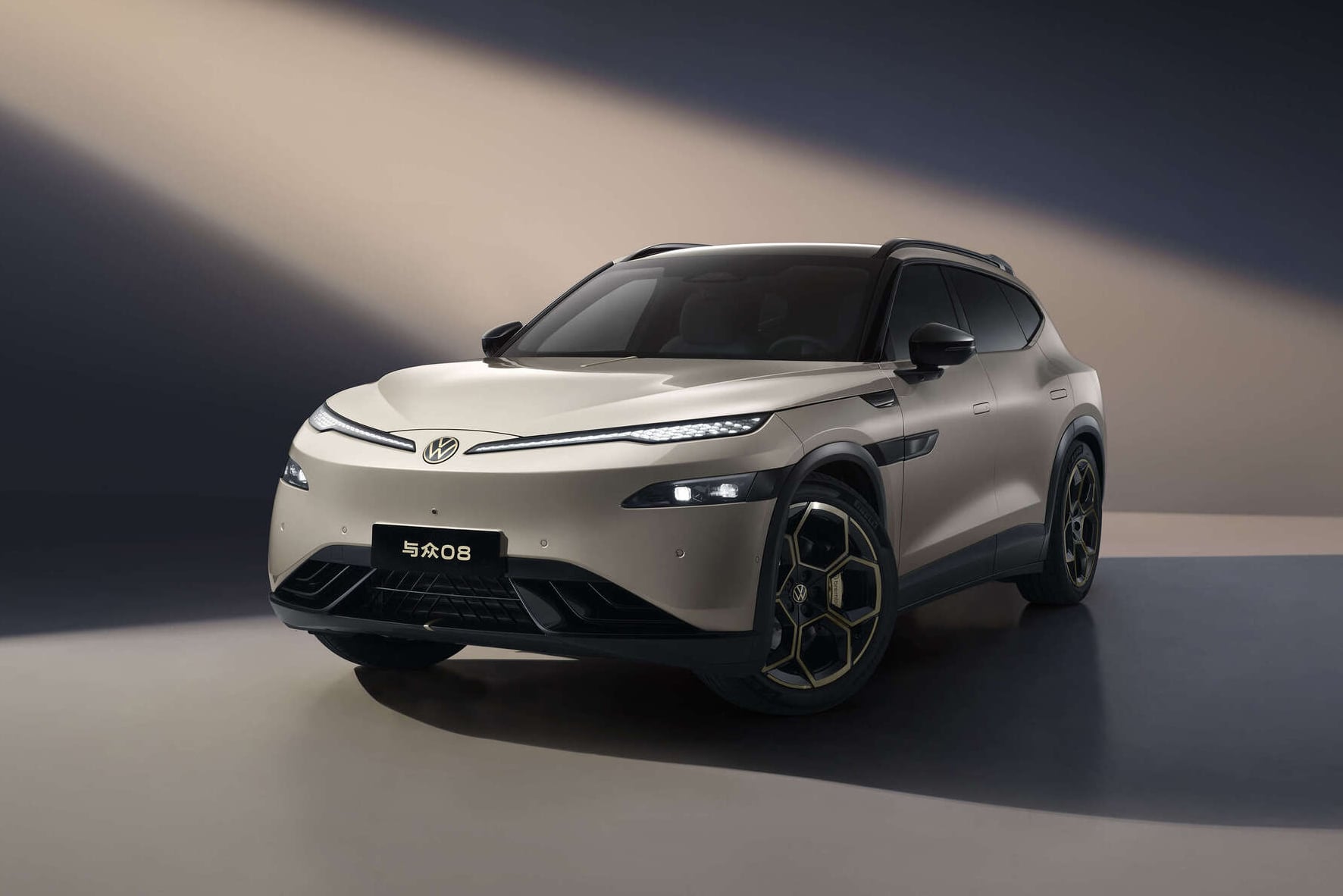
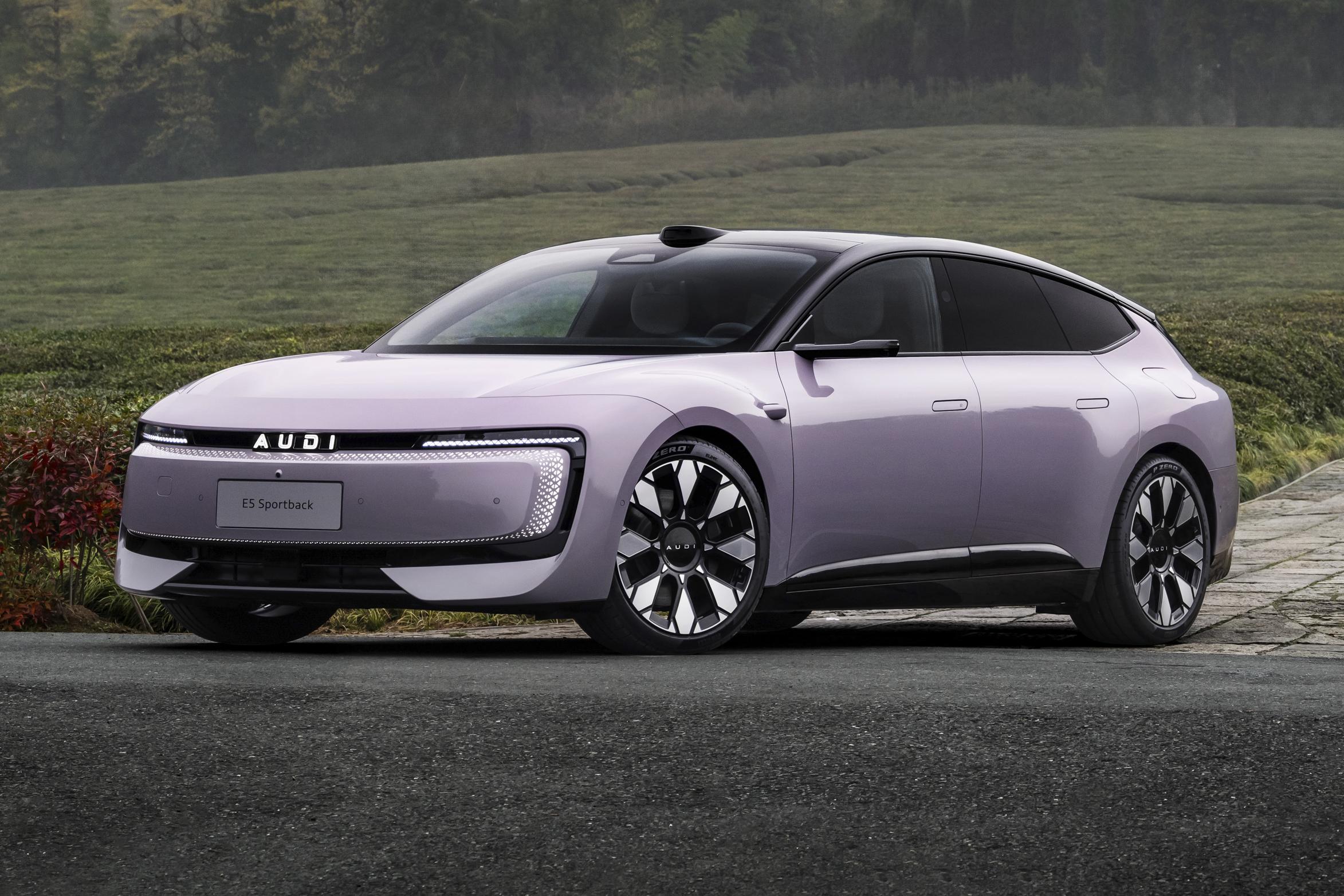
Hyundai’s announcement aligns with broader efforts by other automakers to strengthen their presence in the Chinese EV market. Kia’s EV5, for instance, is a Chinese-built EV related to the Elexio and is also exported overseas. Volkswagen has formed several partnerships with Chinese brands to develop both EV and internal combustion models for the local market.
Other Japanese brands, such as Nissan and Toyota, have also invested in developing China-specific EVs through joint ventures, with some models being exported to global markets like Europe and Australia.
MORE:
Explore the Hyundai showroom


