
Paul Kelly: More Than 50 Years of Cinematic Songs That Paint a Vivid Australian Landscape
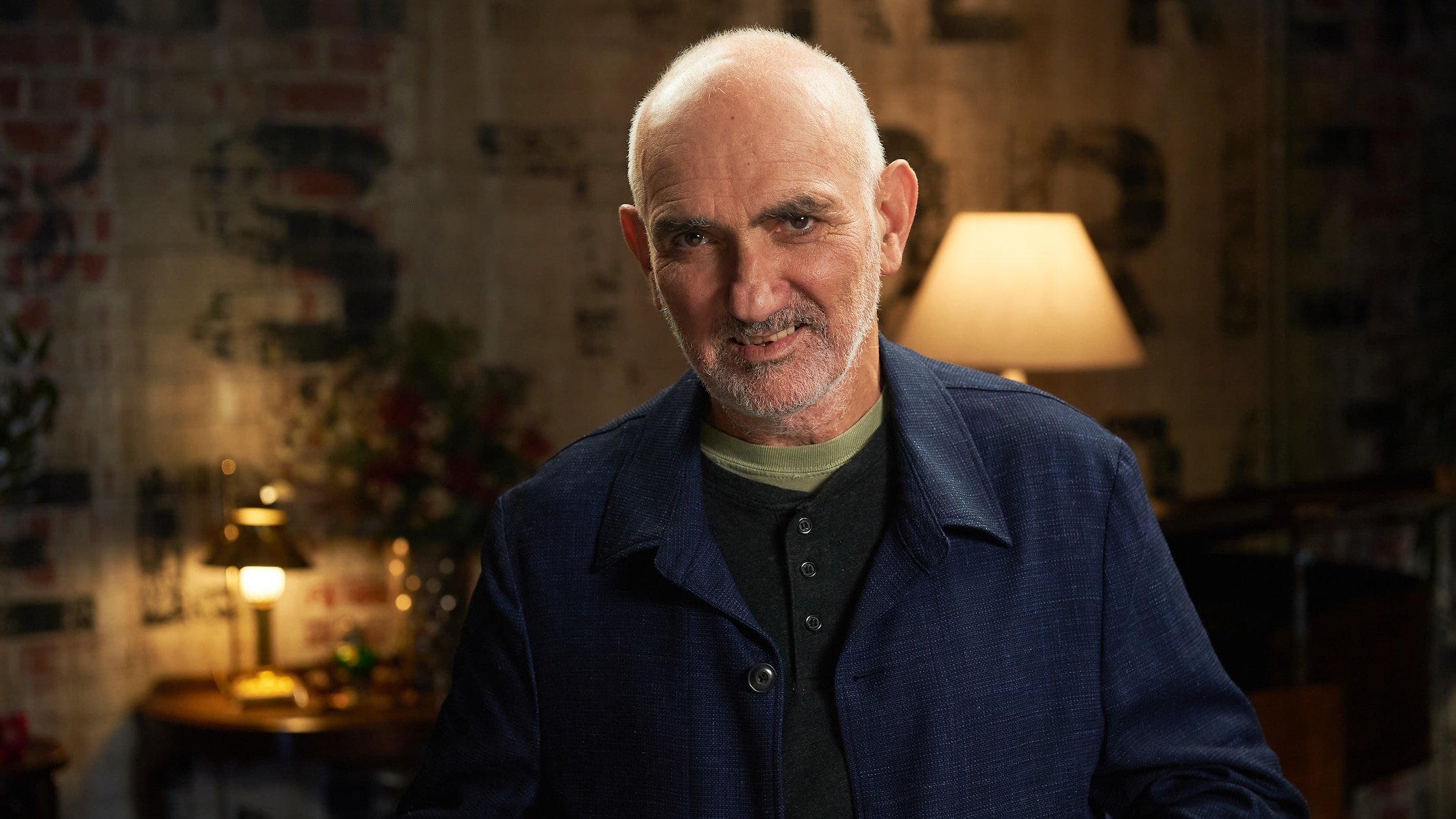
“I like songs that you can see and smell,” the legendary Paul Kelly once mused. “I like songs that seem like little movies.” For over half a century, Kelly has been the masterful storyteller behind some of Australia’s most evocative and cinematic narratives, crafting tunes that linger in the senses and conjure indelible images. Now, at 70, this revered singer-songwriter has cemented one of the nation’s most enduring musical careers, not through fleeting chart dominance, but through a relentless, decades-long dedication to the art of songwriting, consistently delivering a rich tapestry of high-quality work.
Consistency has always been the lodestar for Kelly, a guiding principle that has illuminated his path from his nascent days as a songwriter to the present. In his youth, his singular ambition was clear: “The main ambition was always [to] write the next song. That was always it for me,” he recalls. While the songs continue to flow, with his 30th studio album, Seventy, set to be released in November, their arrival is marked by a gentler rhythm. “They’re coming less often now,” he admits, a hint of introspection in his voice. “Maybe I’m sick of myself. I mean, I’ve always been sick of myself, but does the world really need another song? And there’s plenty of people coming up.”
Kelly’s musical journey began not with a guitar, but with classical piano lessons in his Adelaide childhood home, a world shaped by his pianist mother and grandparents who were travelling opera singers. However, a chance encounter with his sister’s boyfriend introduced him to a different sonic universe. “I remember hearing Louis Armstrong for the first time and just my head exploding,” Kelly recounts. His request to switch to the trumpet was met with a stern parental caution: “If you’re going to switch to trumpet, you can’t sort of just give it up after a year.” Despite their reservations, Kelly’s imagination was already taking flight. He remembers lying in the dark, listening to music and envisioning himself on stage, trumpet in hand, performing for a rapturous crowd – the nascent stirrings of his performing aspirations.
From Jazz Dreams to Folk Roots and Beyond
Eventually, the trumpet was set aside for the guitar, and the smoky jazz clubs of his daydreams evolved into the more intimate settings of folk nights and local pubs. It was this deep appreciation for folk music and its inherent storytelling tradition that would later lead him to embrace an entirely different genre. “I liked hip hop right from the start,” he confesses. “I mean, I came up in folk music and I just immediately saw a lot of similarities. It’s got storytelling in it. It’s got incredible language and poetry. I also like that it’s music that can be made without a lot of stuff. You could make up hip hop lyrics just by tapping on the table.”
The Power of Place and Resilience in Song
Kelly’s profound connection to place and the human experience is vividly illustrated in his selections for Take 5 with Zan Rowe. He chose Queen Latifah’s impactful 1993 track “Just Another Day…” to exemplify his admiration for hip hop’s narrative power. The song paints a stark picture of a typical day in Latifah’s neighbourhood, detailing a carjacking, an arrest, and the funeral of a young girl, all underscored by a quiet, unwavering resilience. “I guess what I really like is the contrast,” Kelly explains, highlighting the juxtaposition of the song’s “beautiful sort of easy lulling kind of chorus” with its unflinching lyrical content. He feels a “deep affection for the place she’s in” and the palpable sense of overcoming adversity: “I got through today. This is a good day.” This interplay between contrasting emotions, where cheerful melodies meet poignant lyrics, is a hallmark he cherishes across all genres of music.
The theme of place permeates Kelly’s musical explorations, with each chosen song acting as a portal, transporting listeners across time and geography. From the bustling streets of Los Angeles depicted by Queen Latifah, we are whisked away to the sugarcane fields of Far North Queensland with The Go-Betweens’ “Cattle and Cane.” “You can smell that song, the rain and the cinders,” Kelly says, evoking a potent sensory memory. “It takes you back, you’re not in the present anymore. You’re back as a child.” The Kinks’ “Waterloo Sunset” conjures the melancholic beauty of a solitary room overlooking the iconic London vista, while Joni Mitchell’s “River” perfectly captures the bittersweet chill of a Canadian Christmas.
Further enriching this sonic atlas is the inclusion of his long-time friend Archie Roach’s “Charcoal Lane.” Kelly describes the song as being “as vivid as it is heartbreaking,” noting the “great affection in the song, great sadness of course, and great resilience.” He particularly resonates with the sense of solidarity it conveys: “The camaraderie in the song: ‘Side by side, we walk along to the end of Gertrude Street…'”
Songwriting as a Personal Cartography
As Kelly reflects on the profound connection between music and place, it becomes evident that songwriting itself serves as a form of personal cartography, a method of charting one’s life and experiences. “Definitely a kind of map,” he affirms. “I mean, you couldn’t say exactly what that map is, but I’m very aware that anything you write, your own self comes through it.” When pressed by Zan Rowe about whether he’s still discovering his own map, Kelly offers a simple, yet profound, “Yeah. I don’t know where I’m going next. Who does?” This ongoing exploration and embrace of the unknown continue to fuel his remarkable artistic output.