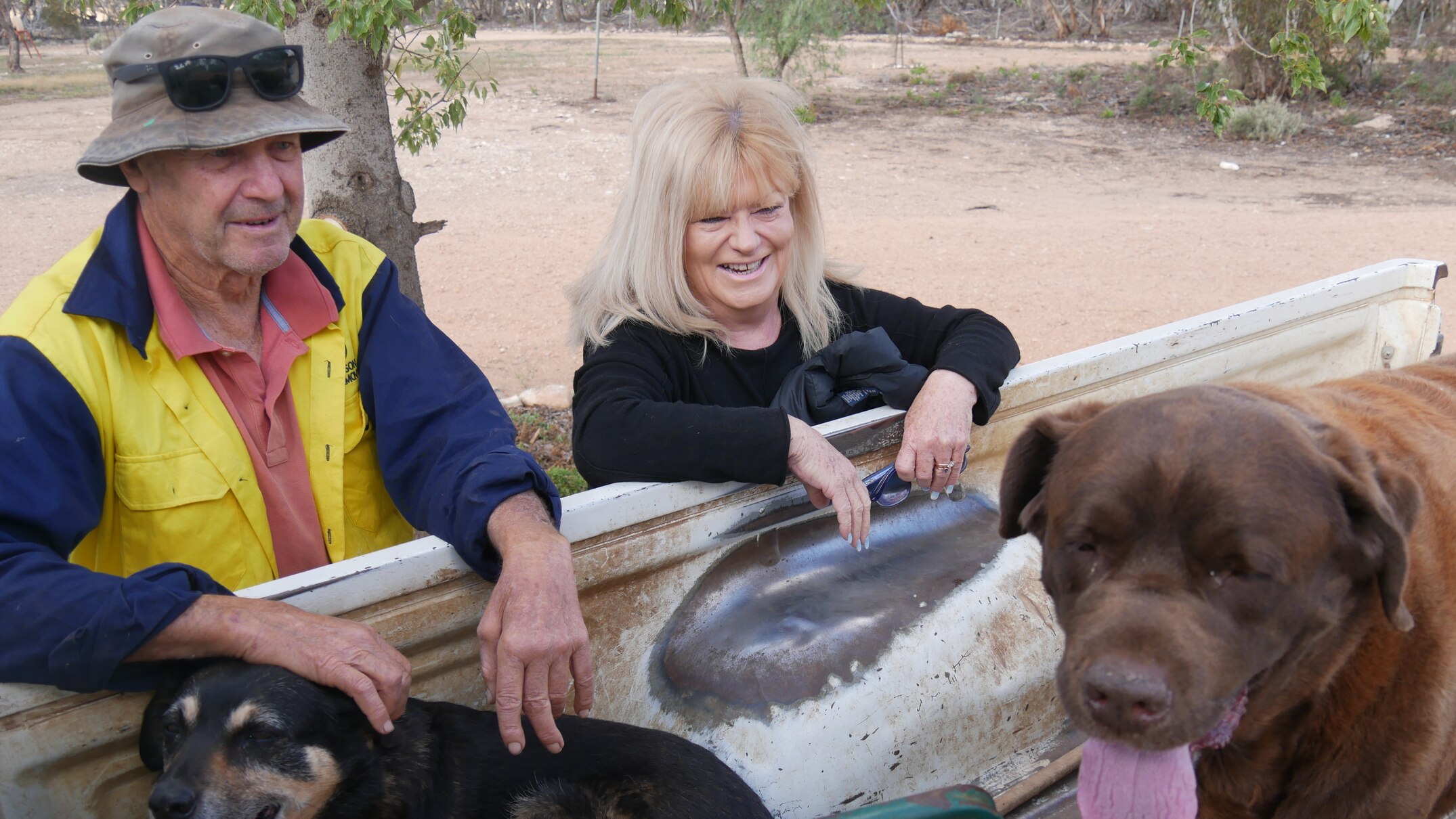
For Mick and Suzi Evans, a quiet morning cuppa on their farm at Mantung in South Australia’s Riverland is a cherished ritual. It’s a moment to connect before the day’s demanding farm work begins, offering a chance to reflect and start with a smile. However, this peaceful routine was abruptly shattered last September when Mick experienced what he suspects was a heart attack.
A Dire Wait in Waikerie
Mick recounted the terrifying night: “I got up during the night and went to the toilet and when I got back into bed, I got a fairly heavy feeling across my chest.” His wife, Suzi, immediately called for an ambulance, leading them to Waikerie Hospital. There, Mick underwent a series of tests. The real ordeal, however, began when Mick found himself “effectively ramped” – a term used to describe prolonged waits for patient transfers – at the Waikerie Hospital for nearly three days.
His planned transfer to the Royal Adelaide Hospital was repeatedly cancelled. “I had to wait hours for the next blood test which came back elevated, so they kept me in hospital with the idea of going to Adelaide,” Mick explained. “The flights kept on getting diverted; they kept coming back and saying no, it’s been cancelled.” This left Mick feeling “stranded,” a stark illustration of the challenges faced by those in regional areas seeking specialist care.
A Private Health Cover Conundrum
The distance to adequate healthcare is a significant concern for Mick and Suzi. They reside nearly 70 kilometres from Waikerie Hospital, meaning Suzi made a gruelling round trip every single day Mick was hospitalised. “We understand that we’re not in the city and the hospital’s not just around the corner,” Suzi stated. She expressed frustration that her private health insurance, intended to alleviate pressure on the public system, offered little practical help in this instance. “We found a private cardiologist, but we still couldn’t get there. I just felt frustrated.”
The Complexities of Patient Transfers
The Royal Flying Doctor Service (RFDS), a vital lifeline for regional Australians, clarified that they do not have the autonomy to unilaterally decide on patient transfers. These critical decisions are made in partnership with SA Health, under a contract managed by the SA Ambulance Service (SAAS). The SAAS explained that flight planning involves numerous factors, including the urgency of the transfer and optimising aircraft utilisation. While they maintain that cancellations are “not generally” made, they acknowledge that less urgent cases might be delayed to prioritise more serious ones, provided it is clinically safe.
Ramping: A Persistent Statewide Issue
The issue of ramping in South Australia has been a significant concern since the Labor party’s election victory in 2022. Data reveals an average of over 3,800 hours lost to ramping in major South Australian hospitals each month since April of that year. This was a key promise of the Labor party during the election campaign, a promise that resonated with voters concerned about healthcare.
The Liberal party, led by Ashton Hurn, has pledged to address ramping if elected, advocating for a “system-wide approach to health” and improved access to GPs and necessary healthcare workforce. As of now, the SA Labor party has not set specific ramping targets for the upcoming 2026 state election.
Mick expressed his disappointment with the ongoing ramping crisis. “The government should invest in regional hospitals, so unless it’s really, really urgent, country [people] don’t have to be taken to Adelaide,” he urged. He believes the government was elected on the promise of fixing these issues.
SA Health maintains that patient safety is paramount and that while some may experience longer waits during peak periods or when more urgent cases present, all patients are closely monitored, with established escalation pathways should their condition change.
Regional Investment and Advocacy
Mick and Suzi are acutely aware that there isn’t a simple solution to the ramping crisis. However, they firmly believe that increased investment in regional areas is essential to ease the strain on the broader healthcare system.
Suzi has dedicated the last eight years to mental health advocacy, a path she embarked upon after the tragic loss of her son, Murray, to suicide in 2018. She highlighted the significant barriers to accessing care in rural areas. “In rural areas, we can wait four to six weeks to get a GP appointment, to get a mental health care plan if you need one,” she stated. “Whether it be mental or physical health, I think people are actually being stopped from seeking help because they think it’s too hard or too difficult.”
Mick shares this sentiment, determined to prevent others in regional communities from enduring similar experiences to his own. “I’m 70 now, the older you get, the more you realise we need better health set-ups in country areas,” he concluded.
The question remains: what healthcare issues are most important to you this state election?