

A Journey from Addiction to Advocacy
Michael Cordner’s journey in boxing began with the goal of becoming the best – whether that meant Olympic gold or a world title. However, the most challenging battle he faced was not in the ring but against mental health struggles and opioid addiction.
Growing up in the Victorian beachside town of Torquay, Mr Cordner discovered two vices during his early teens: boxing and benzodiazepines. The latter was prescribed to him following a mental health referral at the age of 14. In the ring, the boxer known as “The Slenderman” for his long limbs, was achieving success, claiming an amateur state title before transitioning to the professional ranks.
However, the onset of the Covid-19 pandemic disrupted his life, stripping away the thrill of the fight game and leading him down a troubling path. His reliance on prescription medication became problematic, and it wasn’t until he stopped taking them that he realized the extent of his struggle.
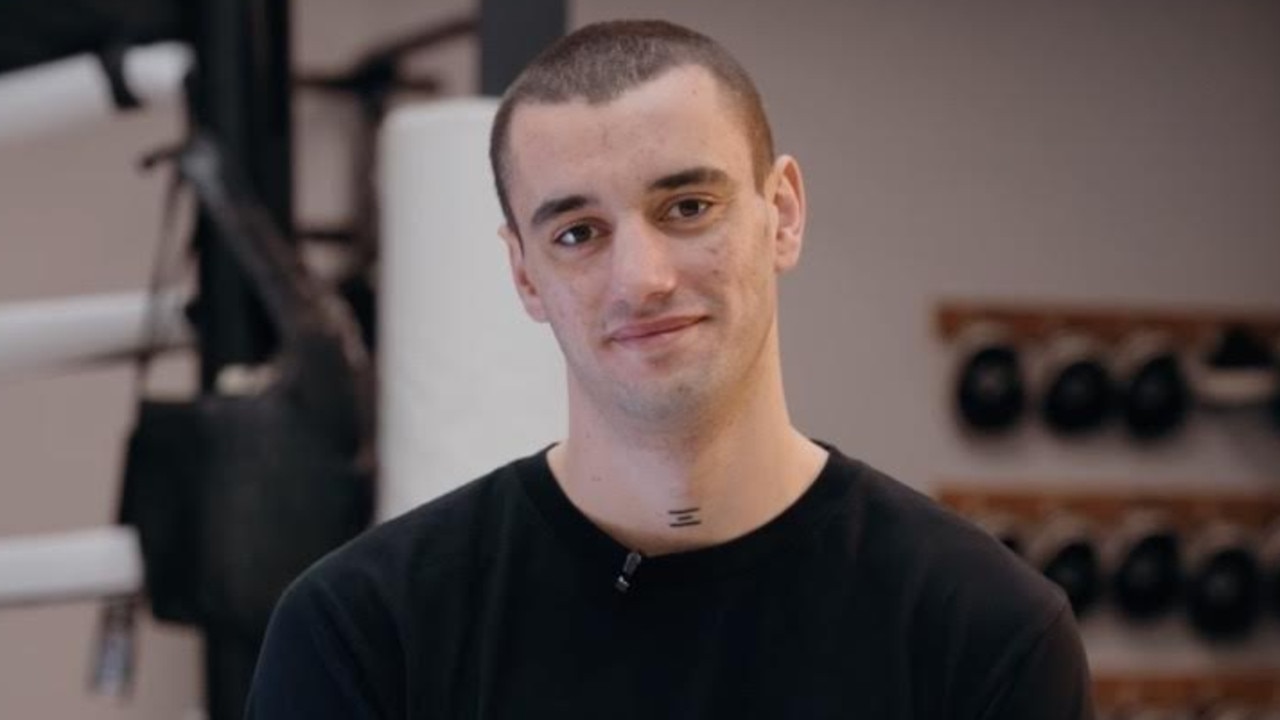
At 18, his prescription for benzodiazepines ended, and the withdrawals led him to seek the medication illegally. When the pandemic hit, he lost his other vice – boxing – and turned to opioids to keep himself going. He described the effects of the drugs as relaxing, allowing him to feel zero anxiety, which often led to reckless behavior.
During this time, he became known to the police and deepened his involvement in drug abuse. He recalled a period where he believed he could get away with anything while under the influence of Xanax. In 2020, his home was raided by police after a bizarre incident where he impersonated an officer to avoid a fine for trespassing. During the raid, drugs, an imitation handgun, and a cache of knives and swords were seized.
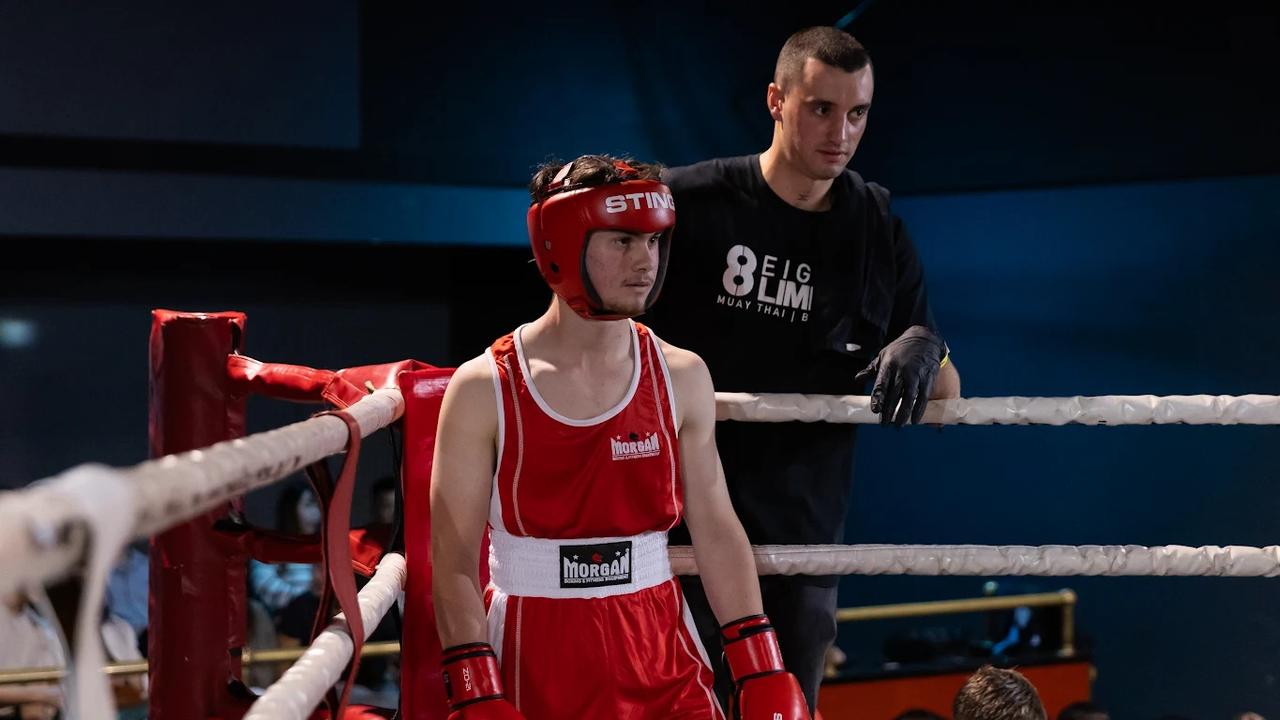
The experience was a turning point for Mr Cordner. He reflected on how he had gone from being a coach and role model to someone in trouble with the law. Realizing the severity of his situation, he sought help and entered rehabilitation facilities. It was during these stays that he developed a philosophy to turn his life around and assist others facing similar challenges.
“The only way I got through that was thinking of my whole life as a fight,” he said. He compared his approach to boxing, emphasizing the importance of slowing down, jabbing, and listening to his corner.
The jab, a fundamental punch in boxing, became a metaphor for his recovery. In 2022, after receiving support and relocating to Sydney, he founded Land the Jab, a not-for-profit organization offering programs to teach people aged 15 to 25 how to discuss mental health through learning boxing.

Mr Cordner, now 25, stated that the program has helped over 100 young people on a better path. He is also studying a certificate four in Alcohol and Other Drugs to enhance his support work. The program is free, with sessions divided into teaching boxing and relating techniques to tools for improving mental health.
The programs operate in both affluent suburbs like Bondi and areas such as Airds High School near Campbelltown in western Sydney. Mr Cordner highlighted the similarities in challenges faced by young people in these different environments.
Headspace and Prince of Wales Hospital have referred youths who have experienced or are at risk of psychosis to Land the Jab for assistance. An exercise physiologist from the Eastern Suburbs Mental Health Service emphasized the value of boxing for individuals recovering from psychosis.
“The benefits of exercise for mental health are well researched and include stimulating key neurotransmitters essential for brain health,” she said. She noted that exercise, such as boxing, can target cognitive skills affected by psychosis.
One participant in the Bondi program, who had a life-changing psychotic episode, found recovery through boxing. Mr Cordner shared how the individual transformed, building himself back up and eventually securing a job. This story exemplified the hope and progress achievable through the program.
Through Land the Jab, Mr Cordner continues to inspire and support young people, helping them navigate their own battles and find strength in small steps toward recovery.


