
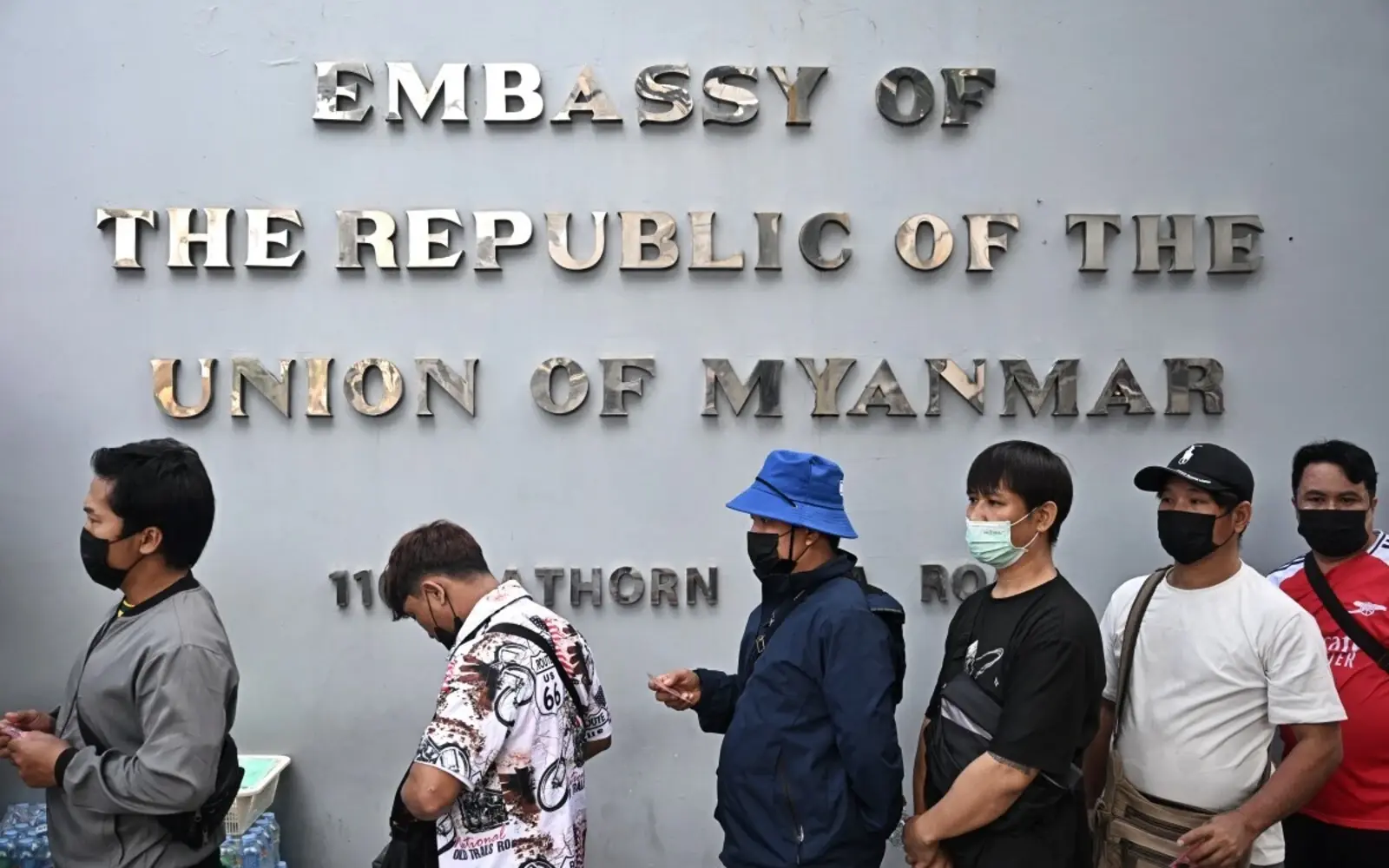
Thailand has urged Myanmar’s ruling military junta to facilitate a peaceful transfer of power following the upcoming elections. This call comes after Bangkok expressed concerns about the credibility of the military-led electoral process.
The Myanmar military seized control in a coup d’état in 2021, plunging the nation into a civil war. Despite this, the junta has promised that the elections slated to begin in three weeks will pave the way for peace and democracy. However, skepticism remains high.
Several factors contribute to the lack of confidence in the upcoming elections:
- Suppression of Dissent: Human rights organizations have reported that the junta is actively suppressing any form of dissent in the lead-up to the elections. This creates an atmosphere of fear and intimidation, hindering free and fair participation.
- Strategic Maneuver: Analysts view the elections as a strategic maneuver by the military to legitimize its ongoing rule. The process is seen as a way to disguise the junta’s continued grip on power.
- Limited Reach: The elections will not be conducted in significant portions of the country that are currently outside the junta’s control. This exclusion of large segments of the population raises serious questions about the representativeness of the electoral outcome.
The 2021 coup saw the military nullifying the results of the 2020 election, making unsubstantiated claims of voter fraud. Aung San Suu Kyi, the democratically elected leader, was imprisoned, and her National League for Democracy party, which had won by a landslide, was dissolved.
Thai Foreign Minister Sihasak Phuangketkeow articulated Thailand’s concerns during a press conference in Bangkok. He stated that the upcoming vote in Myanmar would not be “free or credible” and indicated that Thailand would likely not recognize the elections.
Sihasak recently met with Myanmar’s military ruler, Min Aung Hlaing, in Naypyidaw, the capital city. According to statements released by both governments, the Thai diplomat “expressed his hope that the upcoming election will be an important political transition and a part of the broader peace process.”
However, amidst these diplomatic overtures, Myanmar state media featured a front-page article highlighting a speech by Min Aung Hlaing. In his address, he pledged that the military would “maintain political leadership amid current circumstances.”
Min Aung Hlaing further stated that the military would be able to “gradually reduce its participation” in parliament “when democracy flourishes in the country, while there is no armed ethnic group,” as reported by The Global New Light of Myanmar. This statement suggests that the military intends to retain significant influence over the political landscape for the foreseeable future.
The presence of armed ethnic groups has been a long-standing challenge in Myanmar. These groups have been engaged in intermittent conflicts with the military since the country gained independence in 1948.
Achieving a comprehensive peace agreement has proven to be a difficult task, even during the decade-long period of democratic reforms that saw Aung San Suu Kyi rise to power. The 2021 coup has dramatically escalated the level of violence in the country.
Following the violent suppression of pro-democracy protests by security forces, activists have left urban areas and formed guerrilla units to fight against the military. These units often collaborate with more experienced armed groups.
The ongoing civil war has resulted in a significant loss of life. While there is no official death toll, estimates vary widely. The Armed Conflict Location & Data Project (ACLED), a non-profit organization that collects data on fatalities reported in the media, estimates that over 90,000 people have been killed on all sides since the coup.
The situation in Myanmar remains volatile and uncertain. The international community continues to call for a peaceful resolution to the conflict and a return to democratic governance. The credibility of the upcoming elections is a major concern, and many observers fear that they will only serve to further entrench the military’s power.