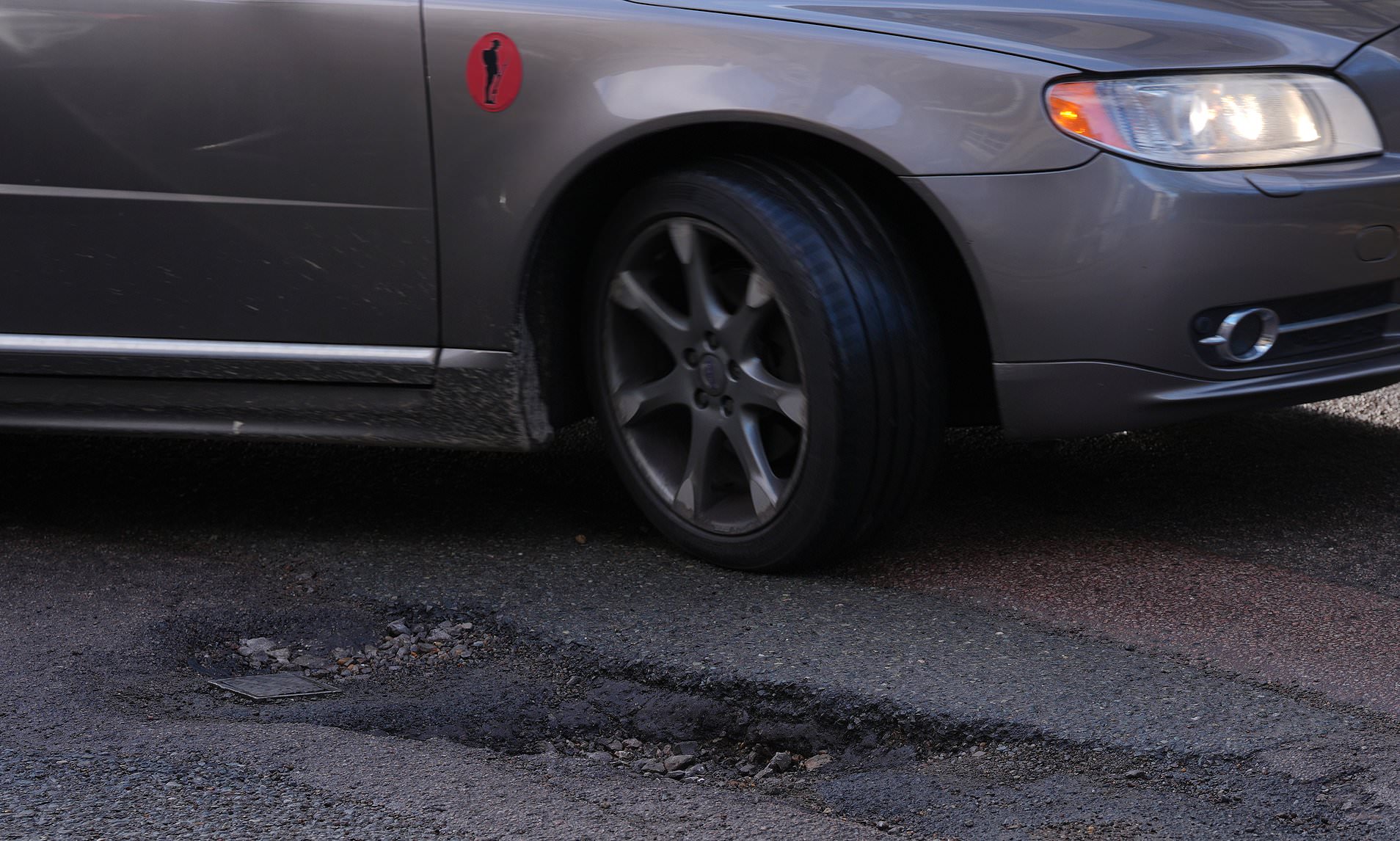
New Rules to Tackle Pothole Crisis
Town halls across the country are facing potential financial losses as ministers introduce strict new rules aimed at addressing the persistent issue of potholes. The strategy, known as a ‘carrot and stick’ approach, involves withholding a quarter of the funds allocated for road repairs unless councils provide more detailed performance data to the government.
The initiative also includes restrictions on how councils can use their road maintenance budgets. Funds designated for road repairs will be strictly monitored to ensure they are used solely for fixing potholes and not diverted to other purposes. This measure is designed to guarantee that the money reaches the areas most in need.
Although similar strategies have been implemented before, only one council lost its funding last year under less stringent conditions. Now, the government plans to enhance these rules, with the possibility of withholding funds from any council receiving a ‘red’ performance rating. Currently, nearly a dozen councils fall into this category.
According to government sources, the stricter regulations could be in place as early as next month. This move aligns with the Daily Mail’s End the Pothole Plague campaign, which has long advocated for improved road conditions in Britain. Councils are responsible for resurfacing local roads, and the campaign has urged more action to address the deteriorating state of these roads.
A government source stated:
‘This Labour government has put its money where its mouth is – committing record sums to fix Britain’s roads. But we have to make sure councils are spending it correctly and delivering change people can see in their communities. Tough new standards will see the best performing councils earn their full share of funding. We will end the pothole plague.’
The government has allocated a record £7.3 billion towards pothole repair between next month and the end of the decade. A recent report indicated that the 17% increase in spending for the 2025/26 financial year has slightly improved the condition of local roads after years of insufficient investment.
However, the annual Asphalt Industry Alliance (AIA) study revealed that the cost to repair Britain’s damaged roads has risen to £18.6 billion, up from £17 billion the previous year. Local roads are being resurfaced every 97 years on average, compared to 93 years previously.
The report also warned that almost half of local roads in England and Wales are at risk of becoming unusable within 15 years, with one in six expected to face the same fate within five years.
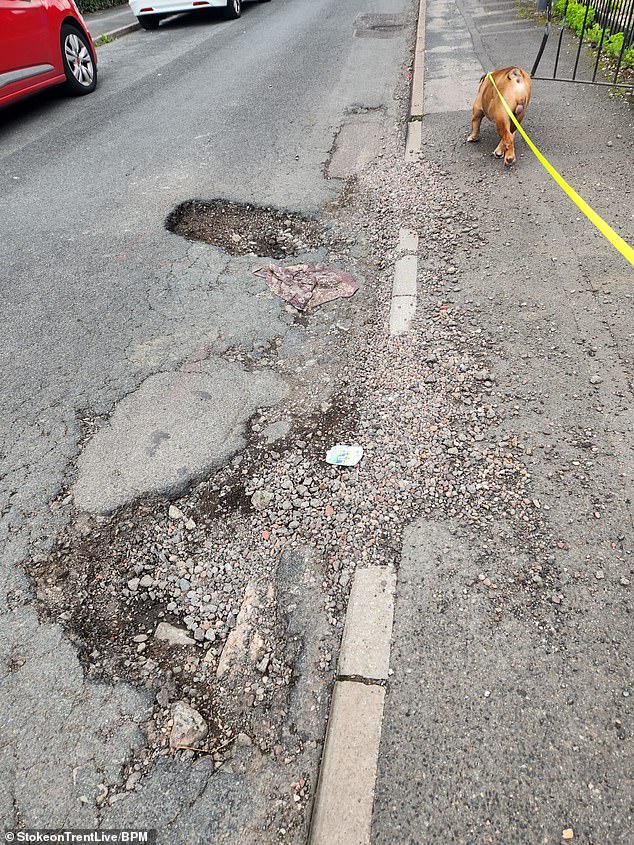
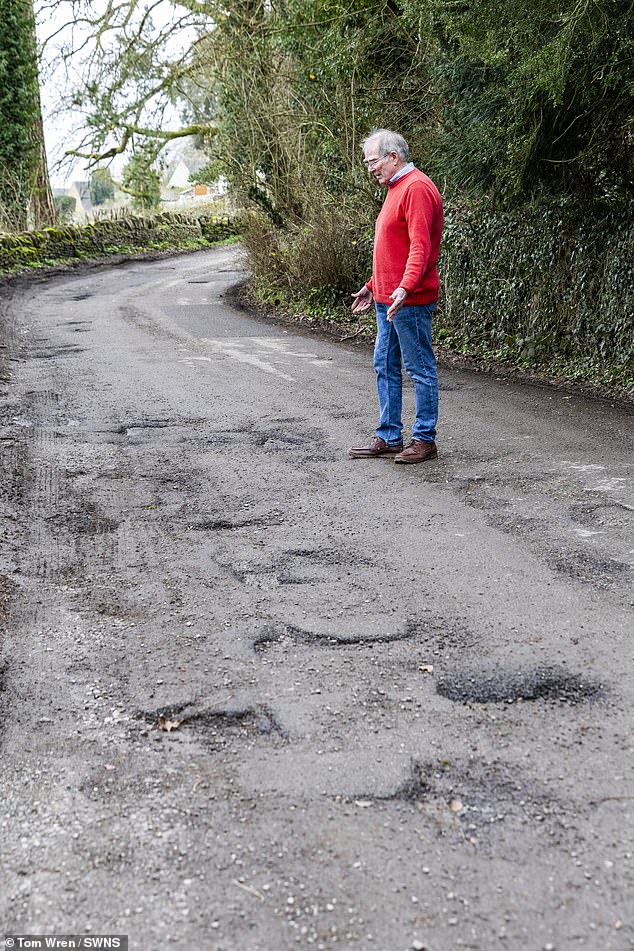
The Daily Mail highlighted a rise in attacks on road workers by angry motorists, as frustration over the backlog of repairs grows. David Giles, chairman of the AIA, reported that road maintenance workers are increasingly subjected to verbal abuse, physical aggression, and even violence while working on damaged roads.
‘People have got out of their cars and abused workmen – pushed them, hit them,’ he said.
Simon Williams of the RAC added:
‘Potholes continue to cause major headaches for motorists. Record investment from central government, along with a commitment to longer-term funding, gives councils a real chance to get on top of road maintenance. Those that can show they’re taking the right approach – especially preventative treatments that can stop potholes forming – should receive more funding than those still relying on the “patch and dash” method, which leaves roads in a poor state.’
Edmund King, president of the AA, emphasized the scale of the challenge:
‘The roads are in such a poor state that fixing them is going to take a herculean effort. We applaud the emphasis that the total funds given for maintenance should be spent on the roads. This is something we have campaigned for. Any council dragging their heels to upgrade the road network should know that they face a funding gap pushing their potholes into a financial hole if they fail to perform.’