

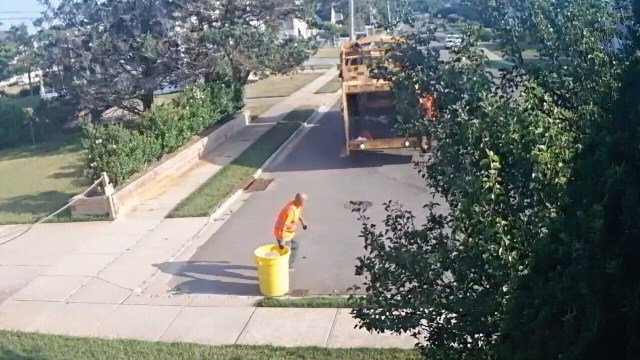
Footage captured by a homeowner’s security camera and subsequently shared on Reddit has brought to light a disheartening reality for many municipalities across the United States: the recycling system, as residents understand it, may be far from what it seems. The video, which circulated on the r/mildlyinfuriating subreddit, shows a municipal worker collecting paper materials alongside other recyclables, only to dump them all into the same truck compartment. This practice directly contradicts the town’s stated mandate for residents to meticulously separate these items at the curb.
This incident is not an isolated one; it serves as a stark illustration of a growing, nationwide challenge facing municipal recycling programs. The economic viability of recycling has become increasingly precarious. When processing plants either cease to purchase recyclable materials altogether or offer prices so low that they fail to cover the costs of collection and transportation, the ultimate destination for these materials is often the landfill. This occurs regardless of the diligence and care residents invest in sorting their waste.
The sentiment that recycling might be an illusion was echoed in the online discussion. “Sadly, a lot of recycling is just a lie,” one commenter shared, drawing parallels to an investigation in Canada. “I live in Canada, and CBC Marketplace did an investigation where they put tracking devices in plastic to find out what happens to it. Sure it goes to a depot, but 90% can’t be recycled and it essentially just garbage.”
The international landscape for recyclables has also shifted dramatically. Countries that once served as primary destinations for American recyclables have largely closed their doors. This development leaves American cities in a difficult position: they must either bear the escalating costs of processing these materials domestically or, as this footage suggests, resort to quietly abandoning the actual recycling process.
The economic realities of recycling were further elaborated upon by a commenter who identified as a former owner of a recycling company. “This is very likely because your local municipality can’t or won’t pay for recycling but knows there will be an uproar if they cancel the service,” they explained. “Recycling in the US is very expensive and oftentimes the town or state loses money on it. This is a national problem and has been for decades.” This perspective highlights a systemic issue where the financial burden of recycling often outweighs its economic benefits, leading to practices that undermine the very purpose of the program.
The discrepancy between what municipalities tell residents to do and what actually happens on the ground has understandably led to frustration. Another Redditor shared an anecdote from their family, stating that their cousin, who worked in a dump for 25 years, confirmed that “EVERYTHING goes in the incinerator,” even as the town continued to fine residents for improper separation of recyclables. This points to a potential disconnect not just between collection and processing, but also between the stated policies and the operational realities.
Suggestions for addressing the situation were also put forth. One commenter advised, “That’s how it often goes. Maybe you can try sending this video to the town’s recycling department to show that the subcontractor is seriously slacking. If nothing changes, then they are just greenwashing and they allow this.” This highlights the importance of public oversight and accountability in ensuring that recycling programs are genuinely effective and not merely a public relations exercise.
Moving Beyond Traditional Recycling
Given the systemic challenges, many are advocating for a reevaluation of our approach to waste management. Reducing the sheer volume of materials entering the waste stream in the first place emerges as a crucial and impactful strategy.
- Embracing Secondhand and Repurposing:
Buying items secondhand not only saves money but also diverts products from landfills. Similarly, finding creative ways to repurpose old materials gives them a new life and reduces the demand for new production. These actions create a tangible positive impact, especially when the infrastructure for effective recycling is faltering.

The homeowner’s camera footage serves as a potent reminder that individual efforts in recycling, while well-intentioned, are only effective if the broader system is functioning as intended. As these economic and logistical hurdles persist, focusing on reduction and reuse becomes an even more critical component of responsible waste management.