

Diplomatic Efforts Intensify in Miami Amidst Ongoing Uncertainty in Ukraine Conflict
Miami, Florida, became the focal point of intensive diplomatic discussions over the weekend as representatives from the United States, European allies, and Ukraine convened for a series of crucial talks aimed at charting a path toward peace with Russia. While described as “productive and constructive” by participants, the meetings concluded without an immediate announcement of a breakthrough, underscoring the persistent complexities and uncertainties surrounding potential terms for ending the protracted conflict.
The gatherings, hosted by Steve Witkoff, the US President’s special envoy, brought together top negotiators and national security advisors from Kyiv and its European partners. These sessions represent the latest in a sustained diplomatic push following Washington’s presentation of a comprehensive 28-point proposal last month. Initially perceived as closely aligned with Moscow’s demands, the plan has reportedly undergone revisions with input from Ukraine and its European allies, though the specific details remain undisclosed to the public.
Key Discussions and Strategic Alignment
US and Ukrainian envoys, including Witkoff and Ukraine’s chief negotiator Rustem Umerov, shared statements on Sunday highlighting the collaborative nature of their bilateral discussions. These talks primarily centered on developing and harmonizing positions across four critical areas:
- A “20-point plan”: This likely forms the core framework for proposed peace terms.
- A “Multilateral security guarantee framework”: Outlining security assurances from a group of nations.
- A “US Security guarantee framework for Ukraine”: Detailing specific security commitments from the United States.
- An “economic & prosperity plan”: Addressing the long-term economic recovery and stability of Ukraine.
Both envoys noted that “particular attention was given to discussing timelines and the sequencing of next steps,” suggesting a focus on the practical implementation of any agreed-upon framework. The statements also confirmed the participation of national security advisors from Ukraine’s European allies, who joined to ensure alignment on a “shared strategic approach” between Ukraine, the US, and Europe.
Russian Engagement and Kremlin’s Stance
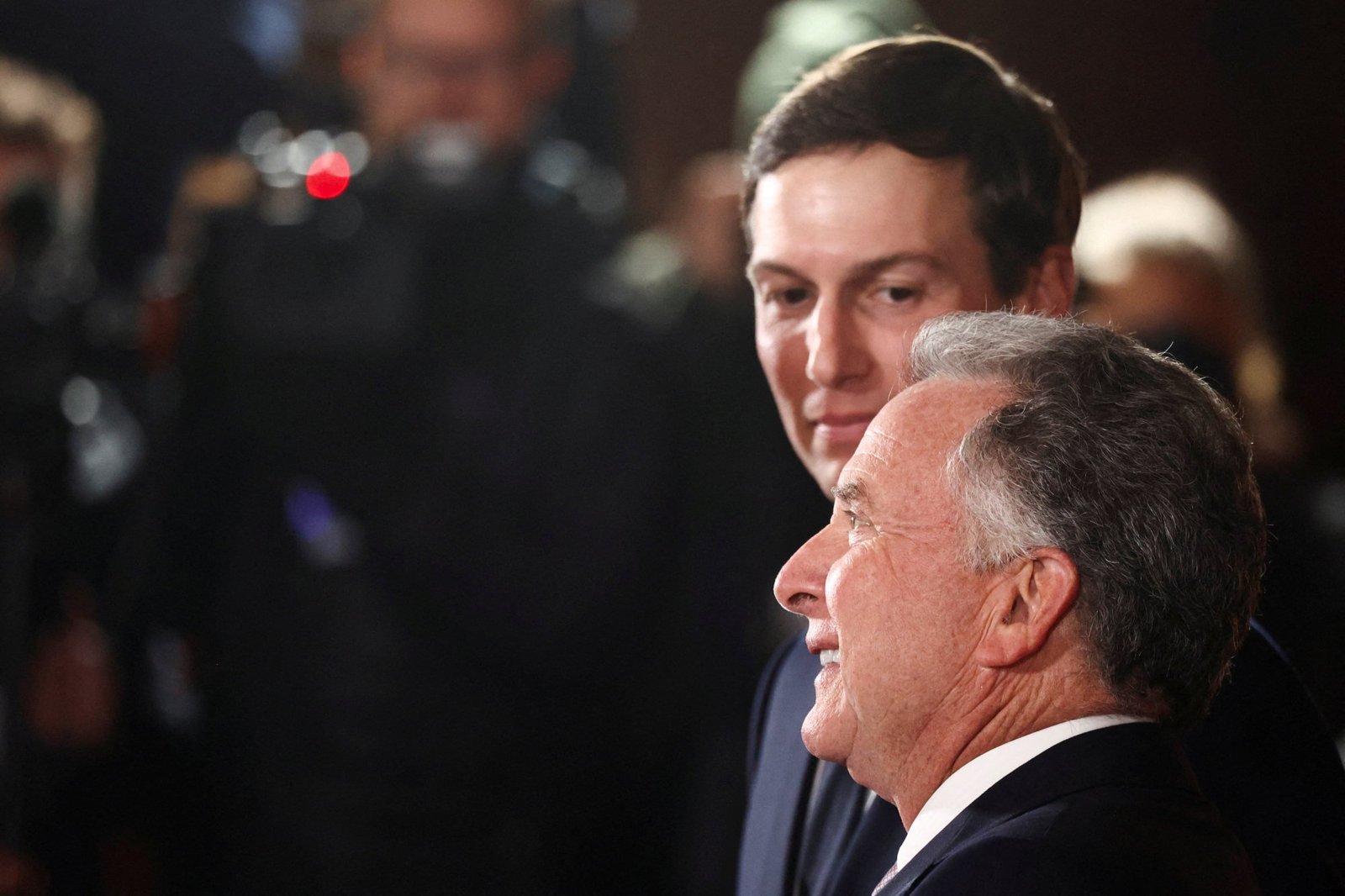
Adding another layer to the diplomatic landscape, Russian envoy Kirill Dmitriev was also present in southern Florida and engaged in meetings with the US delegation, which notably included Witkoff and Jared Kushner. Witkoff also characterized these interactions as “productive and constructive.”
However, the Kremlin has previously expressed skepticism regarding the recent proposals. Russian presidential spokesman Dmitry Peskov indicated that Dmitriev was expected to receive information about the US and European-developed plan and relay it back to Moscow. The Kremlin has consistently viewed European involvement in the talks as potentially counterproductive, arguing that Europe is aligned with a “pro-war” stance.
Challenges and Lingering Concerns
Despite the diplomatic activity, significant hurdles remain. While the specifics of the current peace proposals are not public, it is widely anticipated that Ukraine may be expected to cede some territory – a prospect deeply unpopular with many Ukrainians – in exchange for security guarantees from the United States. This underlying tension highlights the difficult compromises that may be required for any resolution.
Although envoys from both Moscow and Kyiv were in proximity, the Kremlin had earlier explicitly ruled out the possibility of trilateral talks involving all parties simultaneously.
Ukrainian President Volodymyr Zelensky has previously described the ongoing discussions as “constructive” and noted their rapid pace. However, he tempered optimism with a pragmatic observation: “much depends on whether Russia feels the need to end the war for real.” He also characterized the past week as “historic” for Ukraine, acknowledging Europe’s pledge of €100 billion (approximately US$108 billion) in funding over the next two years, a significant boost to Ukraine’s resilience.
Escalating Battlefield Realities
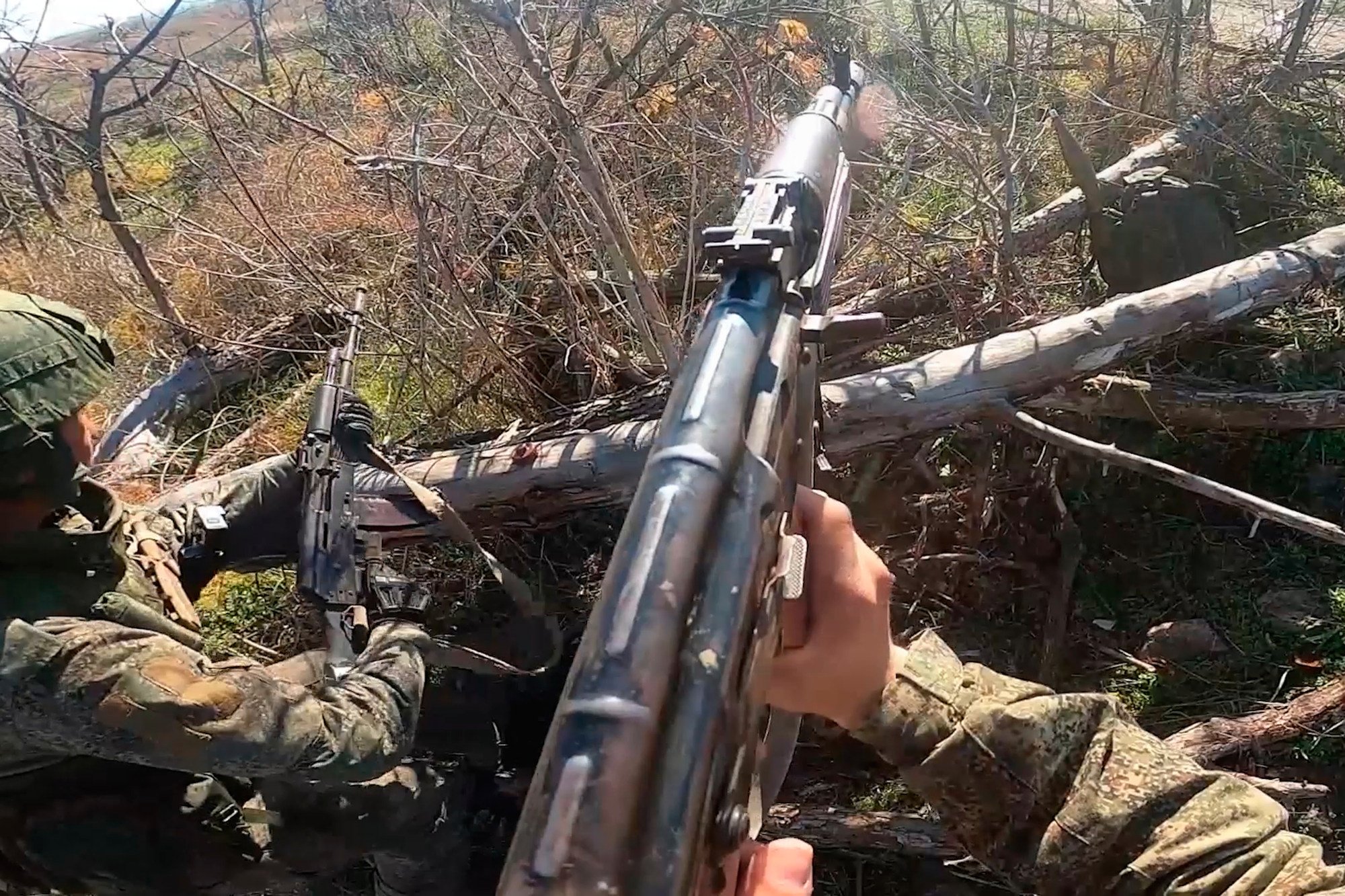
The diplomatic efforts are occurring against a backdrop of continued intense fighting. Russian forces have been making steady advances on the eastern front in recent months. President Putin recently celebrated territorial gains and signaled intentions for further advances.
President Zelensky provided stark statistics on the scale of the ongoing attacks, stating that in the past week alone, Russia launched approximately 1,300 attack drones, nearly 1,200 guided aerial bombs, and nine missiles. The Black Sea region of Odesa has been particularly hard-hit, with relentless strikes causing extensive damage to infrastructure and resulting in civilian casualties.
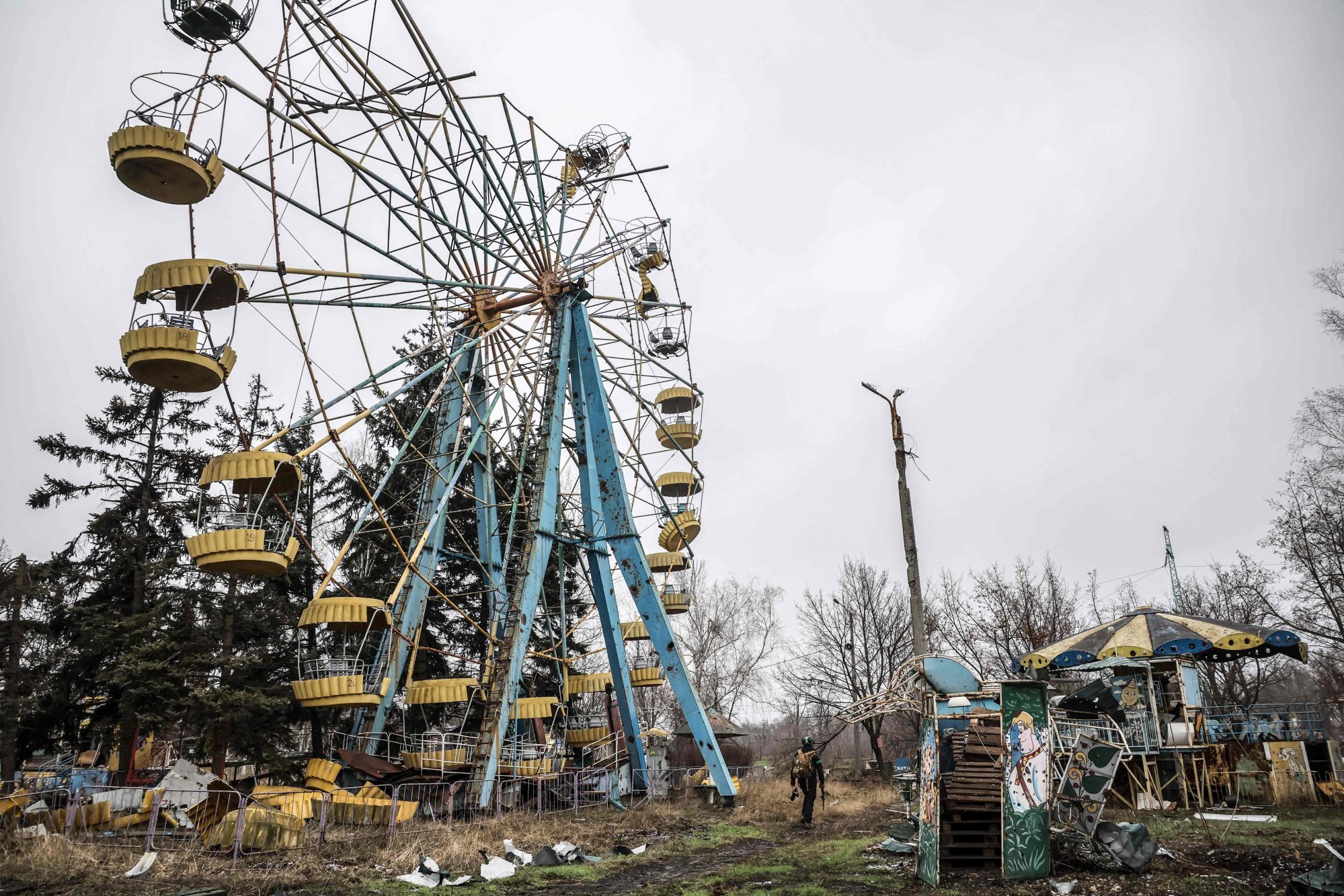
In the eastern Sumy region, Russian troops have reportedly attempted to breach Ukrainian lines in an area that had previously seen less intense ground fighting. Reports indicate that Russian forces forcibly relocated 50 individuals from a local village. Ukraine’s Foreign Minister Andriy Sybiga stated that “Russian invaders have stolen five dozen civilian people, mostly elderly women, from a tiny Ukrainian village Grabovske, right across the state border in the Sumy region.” Russia has not issued any comment regarding this specific incident. These ongoing hostilities underscore the urgent need for a durable peace, even as the diplomatic path remains fraught with challenges.