Strong EV Sales Highlight Growth Amid Overall Market Decline
Despite strong electric vehicle (EV) sales, the Australian new-car market experienced a decline in March 2026. According to sales data from the Federal Chamber of Automotive Industries (FCAI) and the Electric Vehicle Council, a total of 108,703 vehicles were delivered, marking a 2.6 per cent drop compared to March 2025.
EV sales saw a significant increase, rising by 88.9 per cent to 15,839 units, which accounted for 14.6 per cent of the total market. This was a record for EV sales, surpassing the previous high of 11.8 per cent in February 2026.
The FCAI chief executive, Tony Weber, noted that while it is too early to determine if this represents a structural shift in the market, more consumers are considering EVs due to fuel supply disruptions caused by conflict in the Middle East and the review of fringe benefits tax concessions for EVs.
The automotive industry would welcome a sustained shift to EVs, given its substantial investment in bringing over 100 EV models to the Australian market and efforts to meet ambitious NVES targets. A long-term shift to EVs will require Australian governments to focus on public charging infrastructure, especially in regional areas and locations where home charging is not practical.
Hybrid sales increased by 6.7 per cent year-on-year (YoY) to 17,953 units, while plug-in hybrid (PHEV) sales rose 18.5 per cent to 8,215 units. These powertrain types accounted for 16.5 per cent and 7.6 per cent of the market, respectively.
Petrol-powered vehicle sales dropped by 20.8 per cent to 34,694 units, while diesel sales fell 10.1 per cent to 28,364 units. The overall market remained down for the second month in a row this year, following a flat performance in January.
Top Performing Brands in March 2026
Toyota maintained its position as the top-selling brand, despite a 19.3 per cent drop in sales, largely due to the transition to a new RAV4 and double-digit declines for core models like the Corolla, Kluger, Yaris Cross, and Prado.
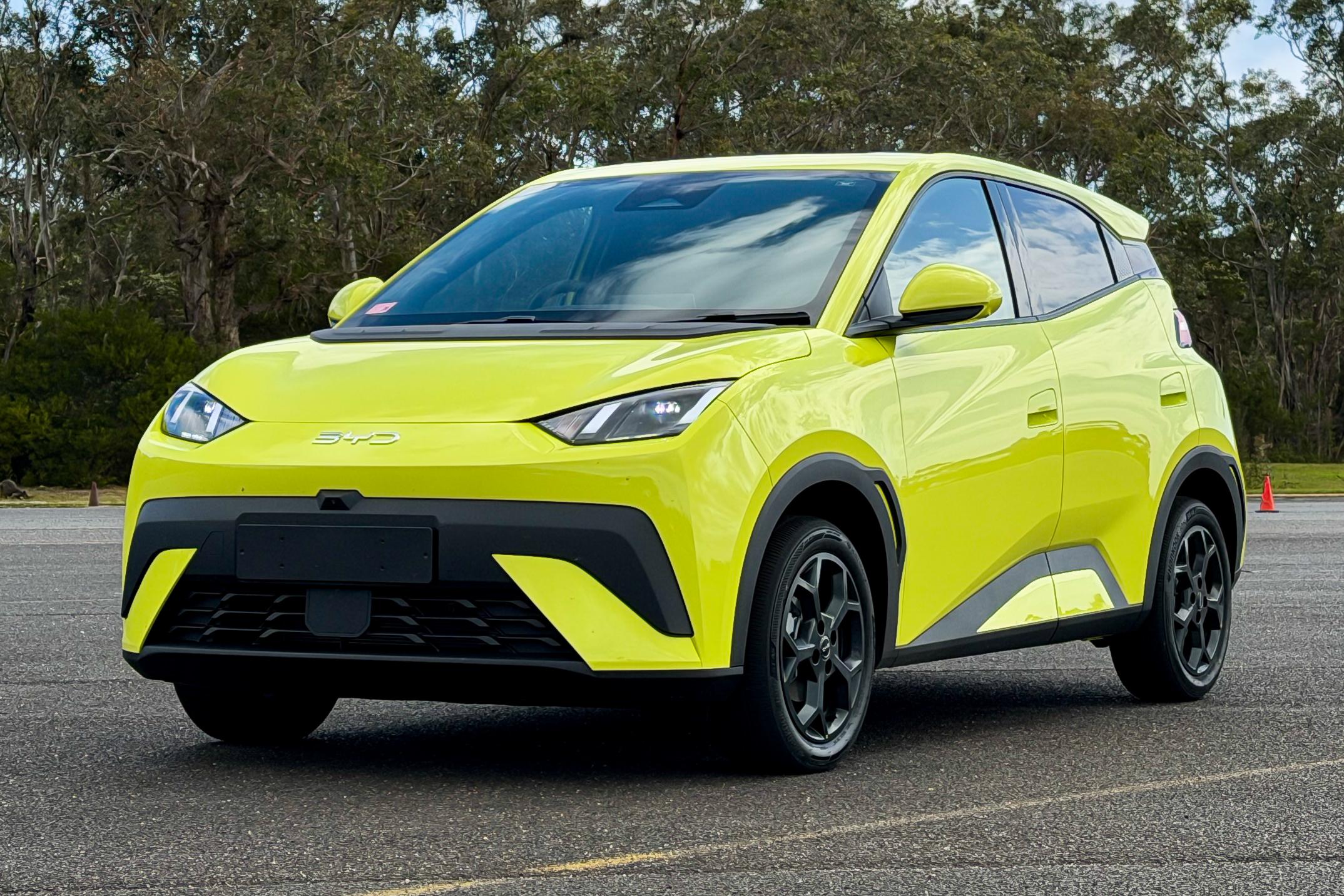
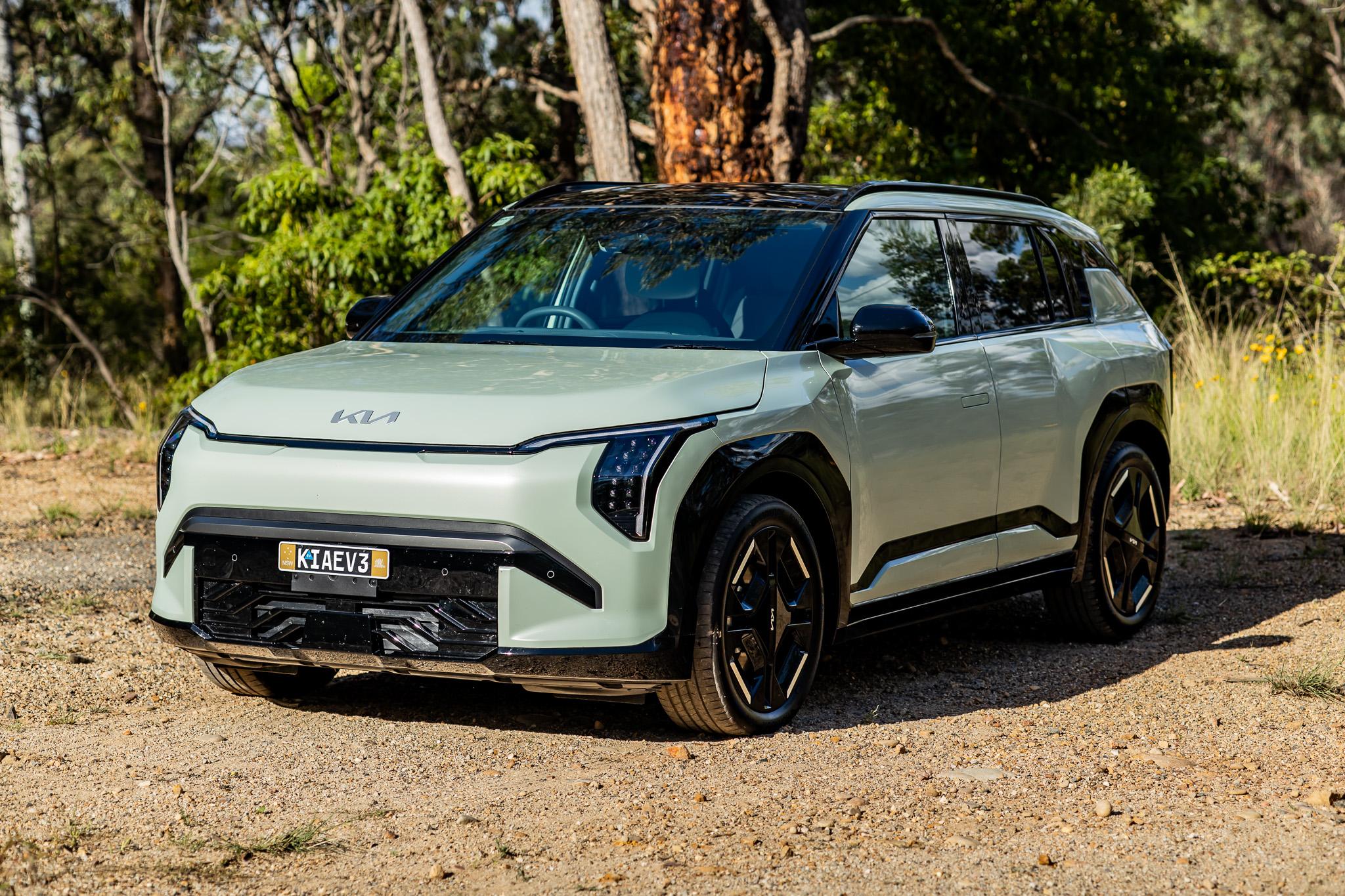
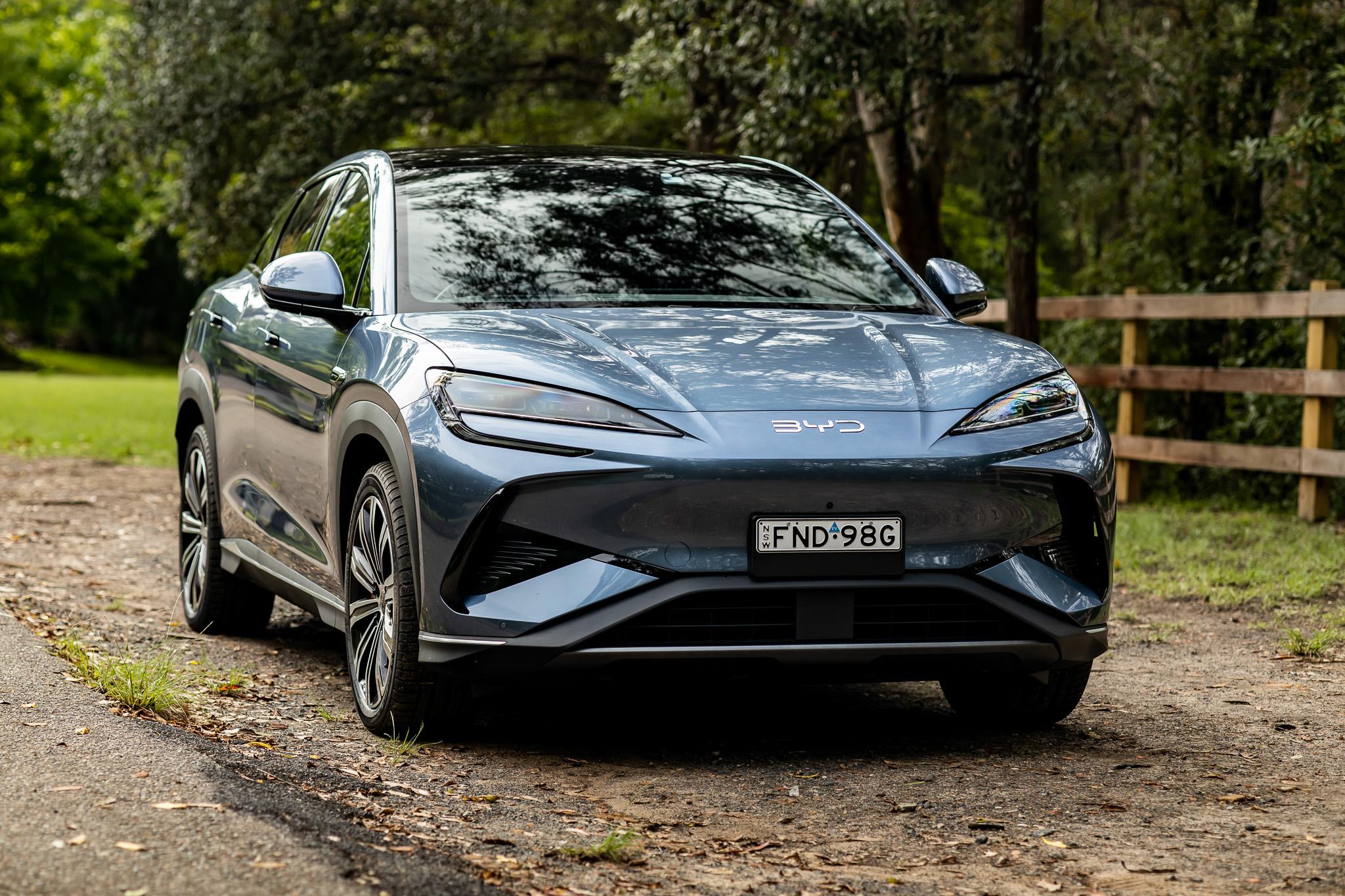
Kia took the second spot with 7,320 deliveries, aided by strong sales of the EV3 and K4, which offset declines for the Sorento and Sportage. BYD achieved its highest-ever delivery count with 7,217 units, driven by new models such as the Atto 1, Atto 2, and Sealion 8.
Mazda, Ford, and Hyundai were close behind BYD and Kia, with just 341 deliveries separating second-place Kia from sixth-place Hyundai.
| Brand | March 2026 Deliveries | YoY Change |
|---|---|---|
| Toyota | 16,574 | -19.3% |
| Kia | 7,320 | 0.2% |
| BYD | 7,217 | 50.0% |
| Mazda | 7,156 | -10.5% |
| Ford | 7,149 | -13.2% |
| Hyundai | 6,979 | 2.4% |
| GWM | 5,680 | 29.3% |
| Mitsubishi | 5,001 | -31.2% |
| MG | 4,218 | 7.4% |
| Chery | 4,018 | 84.1% |
| Nissan | 3,715 | -8.9% |
| Isuzu Ute | 3,525 | 0.5% |
| Tesla | 3,485 | +23.2% |
| Subaru | 2,691 | -15.9% |
| BMW | 2,430 | -1.1% |
| Mercedes-Benz | 2,153 | -14.9% |
| Volkswagen | 1,880 | -30.4% |
| Honda | 1,519 | -13.9% |
| Suzuki | 1,331 | -21.9% |
| Geely | 1,208 | 542.6% |
| LDV | 1,139 | -6.3% |
| Lexus | 1,126 | -13.1% |
| Omoda Jaecoo | 1,010 | — |
| Audi | 932 | -24.5% |
| Land Rover | 907 | -2.6% |
| Volvo | 760 | 4.8% |
| Zeekr | 709 | 533.0% |
| Mini | 543 | -11.1% |
| Skoda | 420 | -8.5% |
| Renault | 345 | -11.1% |
| Denza | 318 | — |
| Porsche | 300 | -35.9% |
| Chevrolet | 296 | -17.8% |
| Ram | 268 | 0.8% |
| KGM | 245 | -35.2% |
| Cupra | 227 | -45.4% |
| Fiat | 212 | 6.5% |
| Leapmotor | 170 | 95.4% |
| Polestar | 160 | -12.1% |
| Genesis | 131 | 8.3% |
| Foton | 109 | — |
| Peugeot | 102 | -38.9% |
| JAC | 82 | -29.9% |
| Deepal | 63 | — |
| Jeep | 58 | -69.5% |
| GMC | 35 | — |
| Alfa Romeo | 31 | -29.5% |
| Farizon | 25 | — |
| Ferrari | 20 | -39.4% |
| Aston Martin | 16 | -30.4% |
| Bentley | 15 | 25.0% |
| Maserati | 11 | -75.6% |
| Lamborghini | 6 | -78.6% |
| McLaren | 3 | -66.7% |
| Citroen | 2 | — |
| Lotus | 2 | -60.0% |
| Rolls-Royce | 1 | -75.0% |
| Jaguar | 0 | -100.0% |
Top Selling Models in March 2026
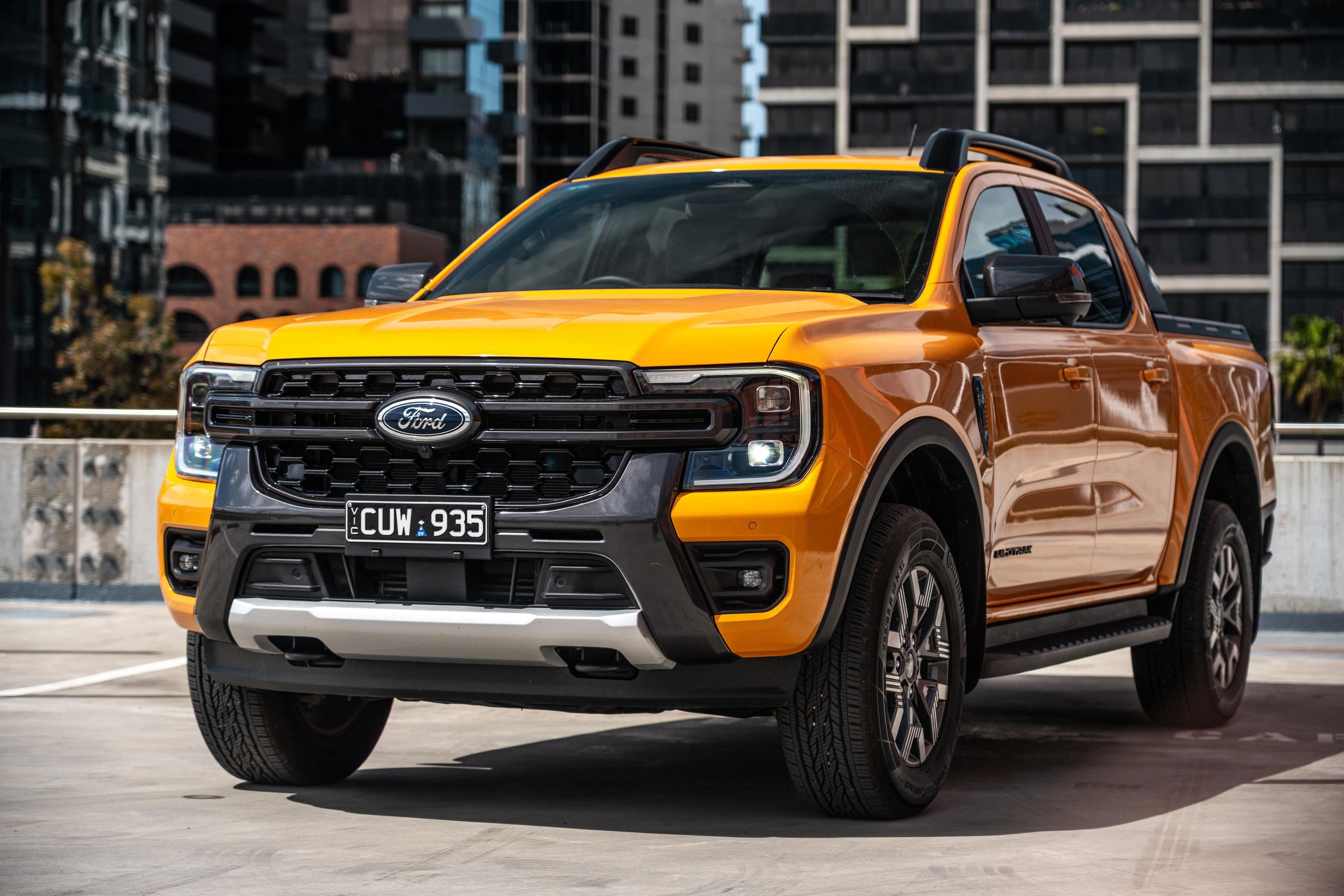
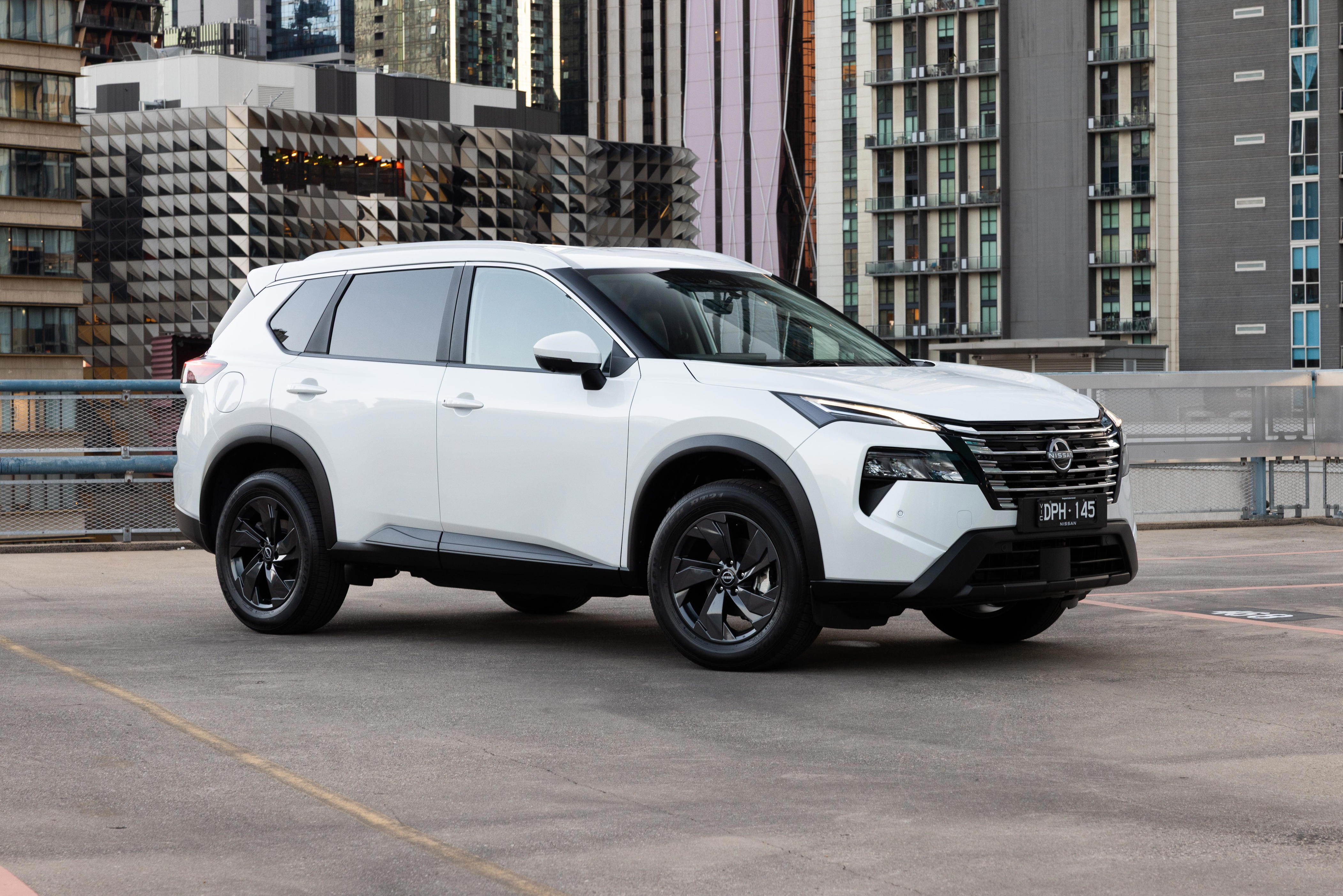
The Ford Ranger and Toyota HiLux led the sales charts, while the electric Tesla Model Y secured a podium finish. The Nissan X-Trail made a notable rise, becoming the fourth-best selling model in Australia, achieving its highest top-10 finish in its current generation.
The Hyundai Kona outperformed its Chinese small SUV competitors, including the Chery Tiggo 4, GWM Haval Jolion, and MG ZS. The Toyota Prado surpassed the Ford Everest in the large SUV segment, while the Mitsubishi Triton edged closer to reclaiming the title of Australia’s third-best selling ute from the Isuzu D-Max.
| Model | March 2026 Deliveries |
|---|---|
| Ford Ranger | 4,452 |
| Toyota HiLux | 4,167 |
| Tesla Model Y | 2,818 |
| Nissan X-Trail | 2,438 |
| Mitsubishi Outlander | 2,318 |
| Hyundai Kona | 2,316 |
| Chery Tiggo 4 | 2,258 |
| Isuzu D-Max | 2,167 |
| Hyundai Tucson | 2,042 |
| GWM Haval Jolion | 2,013 |
| BYD Sealion 7 | 1,970 |
| Mitsubishi Triton | 1,922 |
| MG ZS | 1,896 |
| Mazda CX-5 | 1,859 |
| Toyota Prado | 1,850 |
| Ford Everest | 1,805 |
| Toyota Corolla Cross | 1,687 |
| GWM Haval H6 | 1,665 |
| Kia Sportage | 1,652 |
| Toyota RAV4 | 1,362 |
Key Segments and Regional Performance
SUVs dominated the market, accounting for 63.7 per cent of sales. Light commercial vehicles followed with 20.2 per cent, and passenger cars made up 12.7 per cent.
Medium SUVs led the segments with 30,710 sales, representing a 13.4 per cent increase YoY. Small SUVs recorded 19,196 sales, a 5.3 per cent increase.
In terms of regional performance, New South Wales had the highest sales with 31,513 units, followed by Victoria with 28,791. Queensland saw an increase of 3.9 per cent, while the Northern Territory experienced the largest decline at 17.3 per cent.
Fuel and Origin-Based Sales
Petrol vehicles remained the most popular, with 34,694 units sold, followed by diesel at 28,364. Hybrid and PHEV sales were 17,953 and 8,215 units, respectively. Electric vehicle sales reached 15,839 units.
Chinese brands led the market with 30,993 deliveries, a 45.1 per cent increase YoY. Japanese brands saw a 20.4 per cent decrease, while Thai brands experienced a 7.1 per cent drop.