
Expert Warns of Potential Fuel Rationing in Australia
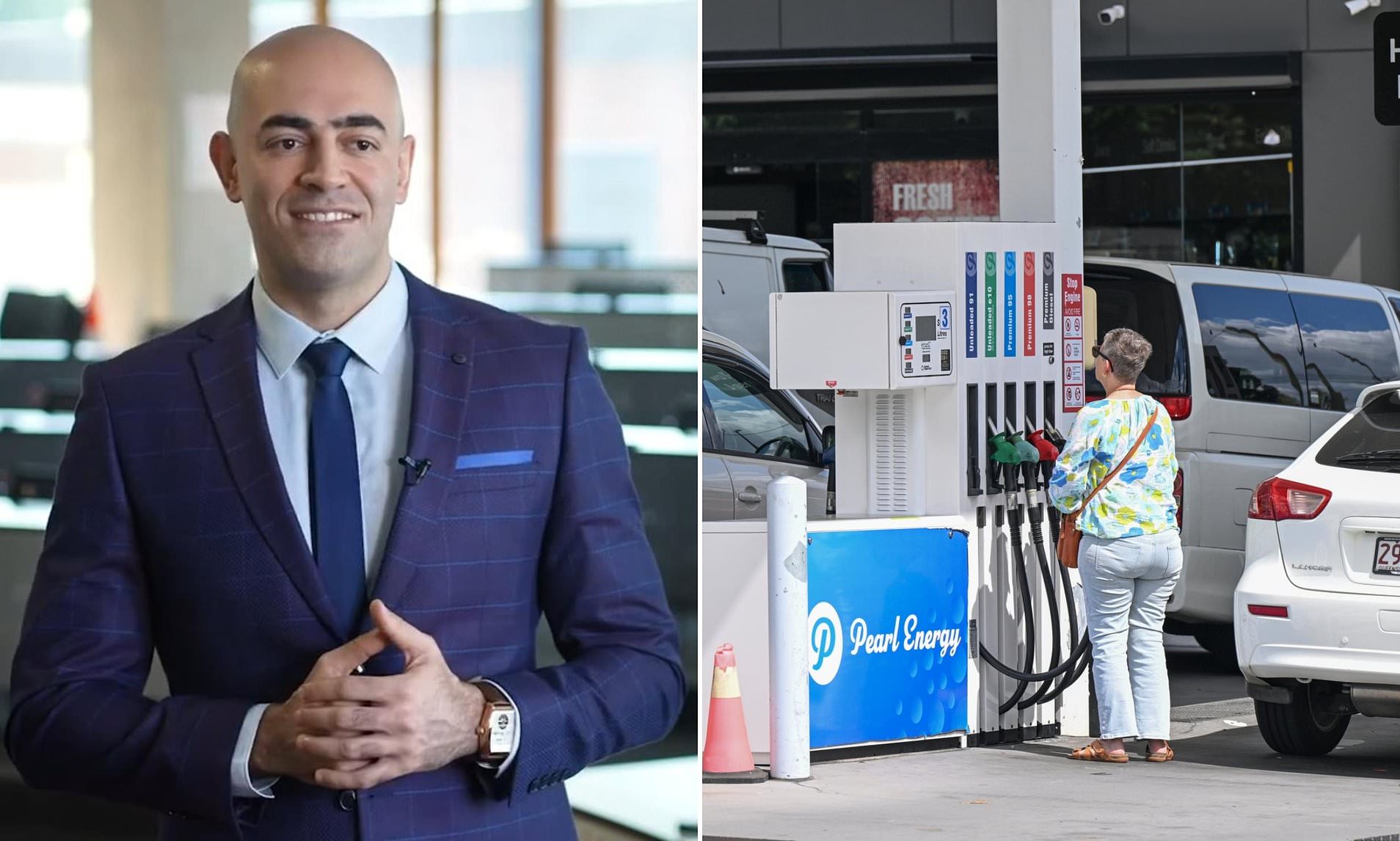
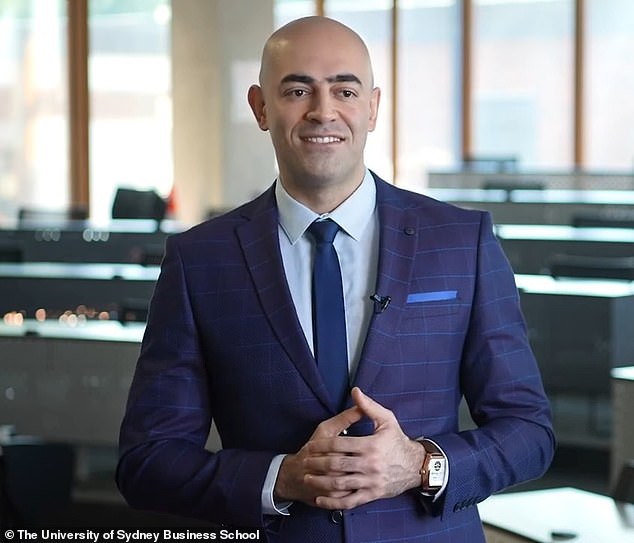
An expert has raised concerns about the possibility of fuel rationing in Australia, warning that it could occur within weeks. Despite assurances from Energy Minister Chris Bowen that supply is secure, logistics and supply chain expert Ben Fahimnia from the University of Sydney has highlighted the country’s vulnerable position in global markets.
Fahimnia emphasized that Australia relies on imports for 90% of its fuel, which puts it at significant risk. He stated that the country is “dangerously positioned” and that fuel rationing may be inevitable if conflicts persist.
“I believe if the conflict drags beyond this week, we will go into formal fuel rationing,” he said. “The reason is very obvious – because we don’t have much control over the supply side of things.”
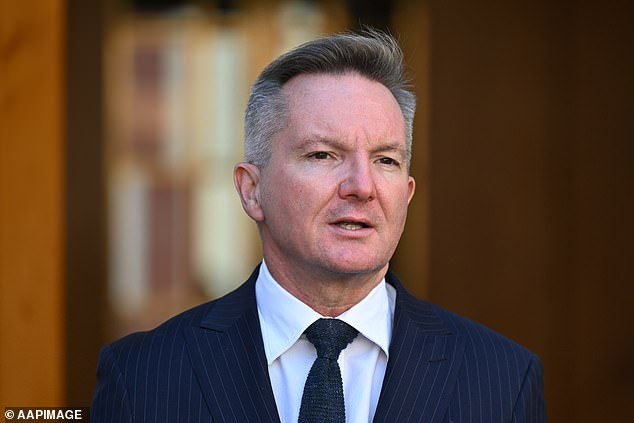
He added that if the Strait of Hormuz remains closed, a crisis could unfold within the next couple of weeks. This warning comes as Bowen reassured Australians that fuel supplies are currently extended beyond mid-April and into May.
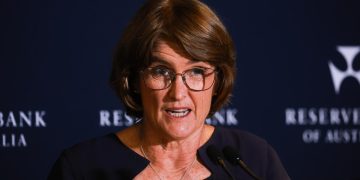
MST Financial energy analyst Saul Kavonic described the end of April as the ‘crunch time’ for the country, noting that the risk of structural shortages only really begins then. He suggested that if the government perceives the risk as acute, demand management measures may be implemented before shortages occur.
Supply Chain Challenges and National Coordination
Fahimnia stressed the need for better national coordination to monitor likely and emerging shortages to avoid a “very ugly May.” He argued that the situation should be viewed as a systemic shock rather than just an oil supply issue.
Newly released figures show that demand for fuel in New South Wales was five times higher than normal in the days after the Iran war began, with demand now 100% higher than normal. However, Attorney-General Michelle Rowland told Sunrise that the Albanese government is not considering fuel rations.
“We are focused on security of supply. And work has been done across industry, but also, again, with international partners to ensure that supply continues,” she said.
Bowen reiterated that normal fuel supplies have been guaranteed from major exporters in Japan, South Korea, and Singapore. He mentioned that all orders are locked in, contracted, and legally secured. However, he acknowledged that overseas refiners would face pressure if the Strait of Hormuz remains closed, as they make their own decisions.
Fuel Import Sources and Reserves
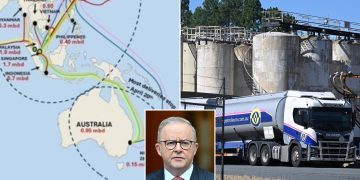
Petrol imports are dominated by Singapore, which supplies about 54.7% (5,974.7 megalitres), followed by South Korea at 22.5% and India at 11.5%, with Malaysia contributing a further 10%. Smaller volumes come from countries such as Japan, Brunei, and several European nations.
Diesel supply is also concentrated among key partners, led by South Korea at 28.8% (8,716 megalitres), followed by Singapore at 15.4% and Malaysia at 14.4%.
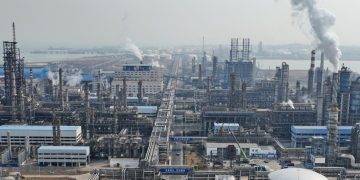
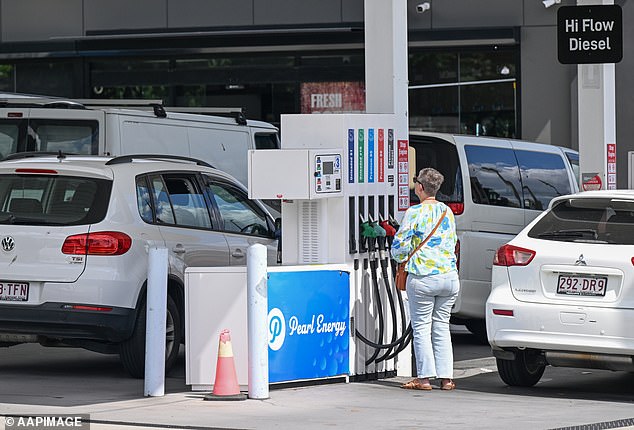
Australia currently has fuel reserves equivalent to 39 days’ worth of petrol, 29 days’ worth of diesel, and 30 days’ worth of jet fuel, with over 50 fuel shipments due to arrive in the next month.
Current Fuel Shortages and Government Actions
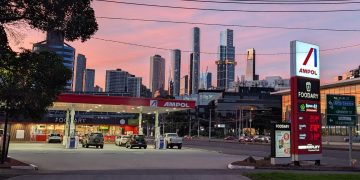
On Monday, 142 service stations in NSW were without diesel, 39 with no fuel. Nationwide, 3.4% of service stations were without diesel. In Victoria, 51 stations had no diesel, 30 had no fuel; in Queensland, 38 were without diesel, 32 without fuel; and in South Australia, nine were without diesel and five without fuel.
Western Australia had 19 stations without diesel and 29 with no fuel; Tasmania had seven without diesel and seven without fuel; in the ACT, four were without diesel and two without fuel.
Bowen explained that NSW had higher shortages because farmers were seeding and sowing, and they had been prioritized. He also noted that fuel companies had increased truck fleets by 20% over Easter.
Relief Measures and Ongoing Challenges
Relief from crippling fuel costs has begun to flow after the Albanese government temporarily halved taxes on petrol and diesel, while states also agreed to pass on an expected GST windfall due to higher takings on sales. However, the 30c-a-litre savings haven’t offset soaring global oil prices, with just a trickle of tankers now making it through the blockaded Strait of Hormuz.