
In the unassuming towns that form the backbone of China’s energy security, a deceptive calm often prevails, even when global crises loom. Trucks laden with oil navigate wide, sparsely populated highways, while boarded-up shops in weathered, low-rise buildings whisper tales of a bygone era of local vibrancy.
A modest noodle shop, its specialty hand-pulled dough ribbons, might appear deserted during lunchtime, save for a handful of construction workers and a teacher engrossed in social media videos on Douyin. However, the proprietor of such an establishment isn’t concerned about a lack of daytime customers. Their peak hours, they explain, are at midnight, when workers from the nearby, sprawling gated oil refinery complexes—employing thousands—conclude their shifts and seek sustenance.
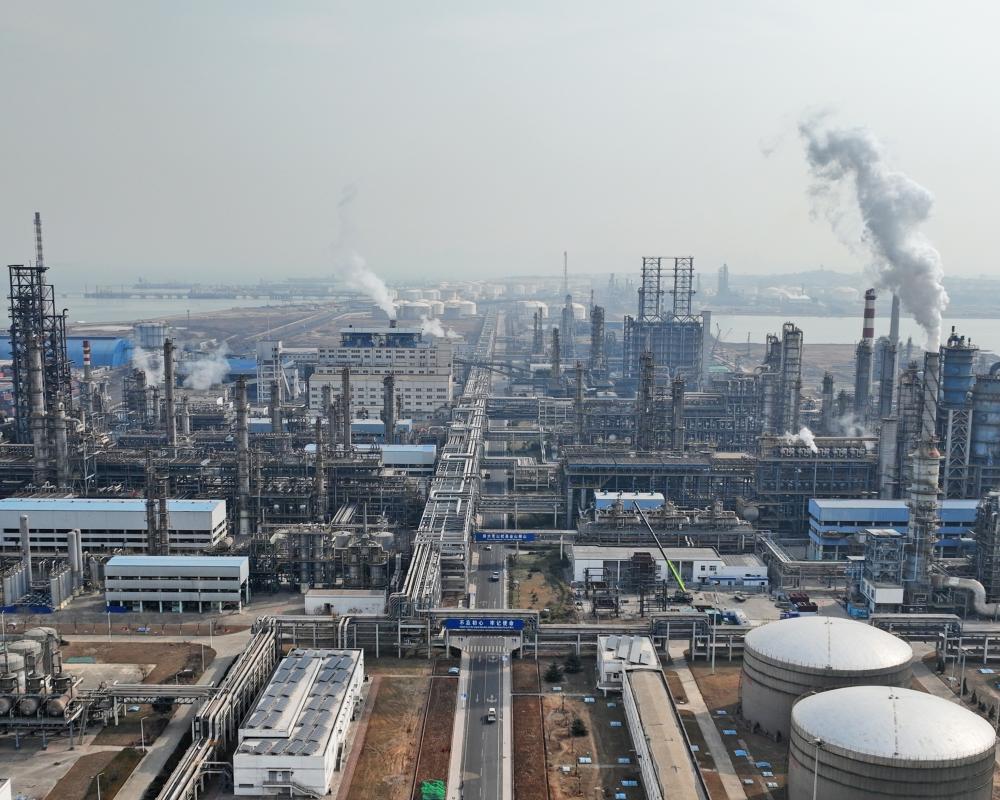
The province of Shandong, in China’s north-east, is home to an immense oil-refining sector. What distinguishes it from other regions, where large state-owned enterprises dominate, is its reliance on independent “teapot” refineries. These smaller, often unassuming operations function on razor-thin profit margins, surviving by sourcing crude oil at the lowest possible prices and transforming it into petrol and diesel for neighbouring provinces. Collectively, Shandong’s teapots contribute approximately a quarter of China’s total refining capacity.
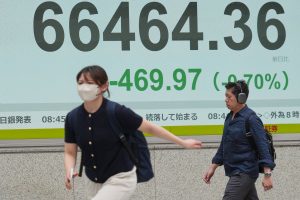
This refining prowess has become critically important to China’s economy, particularly as the rest of the world, and Asia specifically, grapples with an escalating energy crisis. Nations like Pakistan have seen schools shuttered, the Philippines has declared a national emergency, and oil prices have surged to historic highs. While oil constitutes less than one-fifth of China’s overall energy mix, it remains indispensable, especially for the transportation sector. The Shandong teapots, situated in towns like Weifang, are now instrumental in maintaining the stability of the Chinese economy.
The current global energy turmoil was ignited by strikes on Iran, which plunged the Middle East into chaos and effectively led Tehran to close the Strait of Hormuz—a critical shipping lane through which roughly a fifth of the world’s oil and gas flows.
Iranian Oil Flows Uninterrupted to China
Remarkably, one particular source of oil has continued to traverse the seas unimpeded: Iranian crude. The overwhelming majority of this oil is destined for China, which procures over 80% of Iran’s crude exports. Data from Kpler, an energy intelligence firm, indicates that China’s imports of Iranian crude are consistently around 1.6 million barrels per day, an increase from 1.4 million barrels per day in 2025. Muyu Xu, a senior crude oil analyst at Kpler, noted, “We are not seeing any disruption to Iranian oil flows.”
China’s state-owned refiners exhibit caution when purchasing Iranian oil, wary of potential repercussions from the US dollar-based international financial system. However, the teapot refineries, primarily serving the domestic market, face no such inhibitions.
Erica Downs, a senior research scholar at Columbia University’s Center on Global Energy Policy, observed, “The Trump administration has sanctioned a handful of teapots… but that was not changing the flow of Iranian barrels to China. Western sanctions have paved the way for Iran and Venezuela and Russia to become the biggest suppliers to China.”
Local Impact and Shifting Margins
Uncle Wang, the proprietor of a small petrol station in Weifang and a man in his seventies who requested anonymity, confirmed that local diesel and petrol supplies have remained stable since the conflict began. However, he lamented that rising prices have squeezed his profits to “almost zero.”
“It’s not that [other countries] can’t get oil, it’s that they are too scared to buy it because [Donald] Trump won’t let them. But China isn’t afraid of him,” Uncle Wang declared from his office, a space adorned with a prominent jade-coloured frog figurine clutching a gold coin, a traditional symbol of prosperity.
However, with the global demand for oil intensifying and the US having eased sanctions on Iranian and Russian crude, the Shandong teapots are now incurring significantly higher costs for their raw materials. Prior to the recent strikes, Iranian light crude was approximately $11 cheaper per barrel than Brent crude. Now, that discount has narrowed to as little as $2 per barrel, at a time when Brent prices have dramatically escalated.
A 22-year-old worker at Luqing Petrochemical, one of Shandong’s prominent teapot refineries, expressed growing unease about the war’s repercussions. “Before the war, profits were OK. After the war started, because the crude oil prices went up so much… clients started buying less,” he stated, his identity withheld for protection.
His role involves transforming crude oil into light plastics used in everyday items like shopping bags. Gesturing towards the distant rumble of haulage vehicles, he noted, “These big trucks come here to pick up the goods, but now they come less often, so earnings are down.” He anticipates his monthly salary of 5,000 yuan (£545) might drop to around 4,000 yuan in the coming month.
Luqing Petrochemical, which employs over 2,700 individuals, is among several Shandong teapots that faced US sanctions last year for allegedly purchasing millions of barrels of Iranian oil. The worker revealed that in recent months, the company has begun to pressure employees to resign by reducing salaries and reassigning them to arduous work sites. He fears further cutbacks if the conflict persists. “I’m quite worried about that because the benefits and treatment here are very good,” he added. Luqing Petrochemical did not respond to a request for comment.
Government Intervention and Future Uncertainties
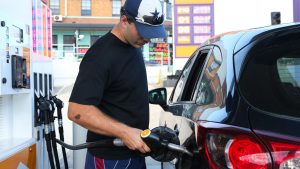
The workers in Shandong find themselves on the front lines of an economic shock that most ordinary Chinese citizens have, thus far, been shielded from. In a rare move, the government recently intervened in the retail fuel market, capping a planned increase in petrol and diesel pump prices at approximately 50%. This prompted a rush of drivers to fill their tanks before the price hike took effect.
However, the long-term viability of the teapot refineries and the thousands of individuals they employ remains uncertain. Persistent price increases could lead to some operations ceasing to exist.
Furthermore, other economic challenges loom. “War is short-term,” observed Uncle Wang, suggesting that the more significant threat to his petrol station business stems not from international events, but from a domestic trend: the ascendance of electric vehicles.