Ancient Mummification Practices Predate Egypt by Millennia, New Study Reveals
For generations, the mystique of mummification has been intrinsically linked to the sands of ancient Egypt and the preserved remains of the Chinchorro culture in Chile. However, a groundbreaking new study is poised to rewrite this historical narrative, unveiling evidence that hunter-gatherer communities across Asia were engaging in sophisticated mummification rituals as far back as 12,000 years ago, predating the earliest known Egyptian practices by thousands of years.
This significant discovery challenges long-held assumptions about the origins and development of funeral rites, suggesting a far more ancient and widespread practice of preserving the dead than previously understood. Archaeologists have unearthed compelling evidence from numerous burial sites across Asia, pushing back the timeline of human efforts to retain a connection with their departed.
A Paradigm Shift in Archaeological Understanding
The conventional wisdom has long placed the earliest examples of mummification in regions like Egypt or South America. Yet, the findings from recent archaeological excavations paint a different picture. Researchers have identified and studied remains from various burial grounds in China and Southeast Asia, revealing a practice of mummification that predates the agricultural revolution and the rise of early civilizations.
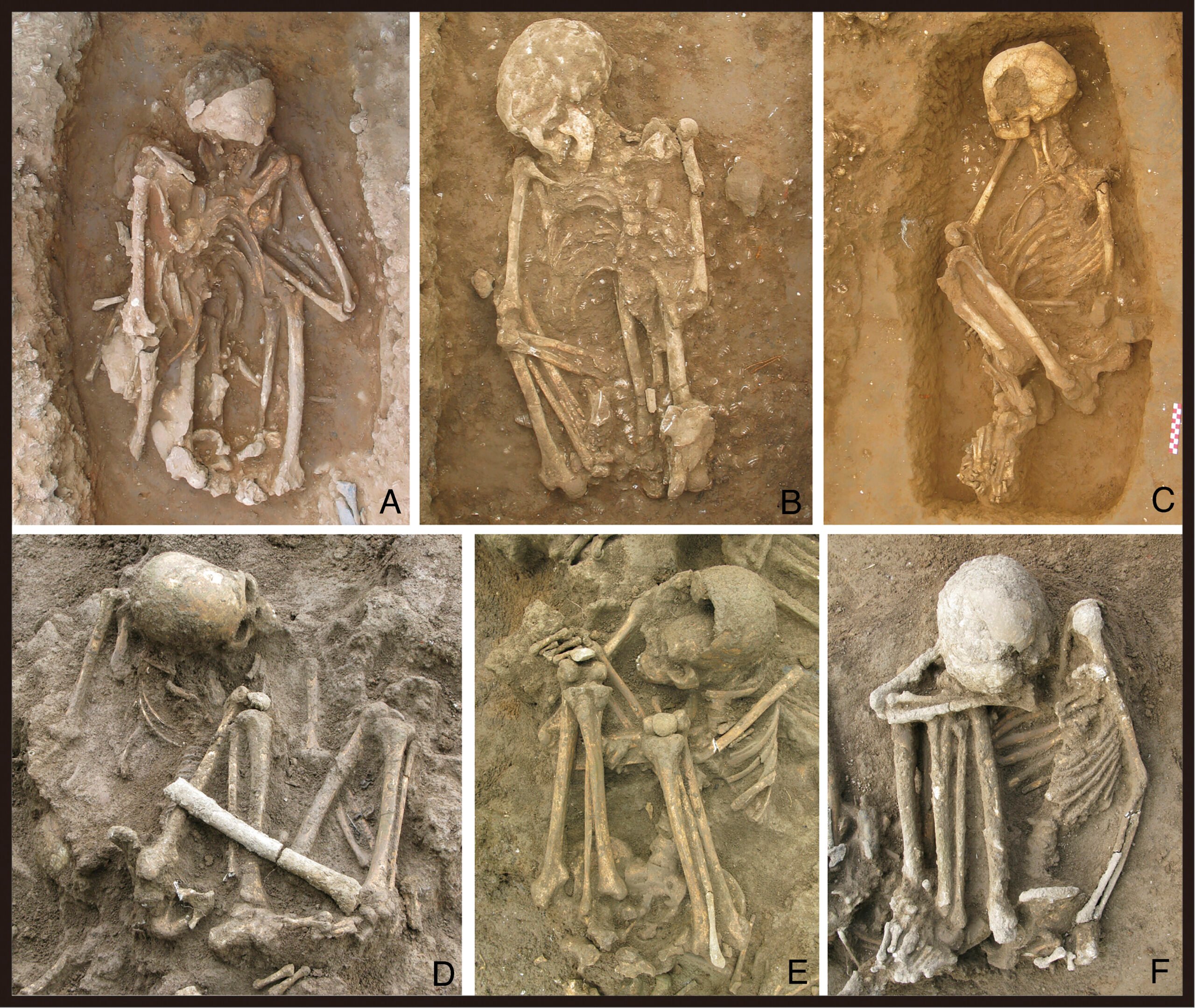
The extensive research involved the meticulous examination of 54 tombs scattered across 11 distinct archaeological sites. These sites are located in countries including China, the Philippines, Laos, Thailand, Malaysia, and Indonesia. The unearthed skeletons, dating from approximately 4,000 to 12,000 years ago, presented a consistent pattern: they were found bound in a fetal position, with skeletal analysis revealing tell-tale marks of heat exposure. This evidence strongly indicates that these ancient hunter-gatherer societies were actively practicing a form of mummification through smoke-drying, a technique employed millennia before the pharaohs of Egypt.
A Distinct Approach to Preservation
The mummification methods employed by these early Asian communities differed markedly from those famously associated with the Egyptians and the Incas. Unlike the elaborate embalming processes and subsequent wrapping in linen bandages characteristic of Egyptian mummification, the bodies discovered in Asia underwent a process of prolonged smoke-drying.
The ritual involved carefully folding the deceased into a fetal position, a posture often interpreted as a return to the womb or a natural state of rest. These bodies were then meticulously bound with natural fibres before being suspended over a low, controlled fire. This gentle heat was applied for extended periods, often spanning weeks. Scientific analyses of the bone structures have confirmed exposure to low heat, consistent with smoking techniques, and distinct from the high temperatures associated with cremation.
Dr. Hsiao-chun Hung, a senior researcher at the Australian National University and the lead author of the study, elaborated on the potential significance of this practice. “Smoking probably had spiritual, religious or cultural meanings that went far beyond simply slowing decomposition,” she stated. The research suggests that this method may have been a way for these communities to maintain a tangible connection with their deceased loved ones. In some instances, bodies were reportedly displayed in open caves or natural shelters for extended durations, further emphasizing this enduring link between the living and the dead.
A key distinction highlighted by Dr. Hung is that, unlike the sealed sarcophagi and elaborate tomb provisions of Egyptian mummies, these ancient smoked bodies were not typically enclosed in sealed containers after the preservation process. This likely meant that their state of preservation was more transient, lasting perhaps only a few decades or a few centuries, rather than the millennia often associated with Egyptian mummies.
A Practice of Ancient Origins and Broad Reach
This discovery yields two principal insights into the history of mummification. Firstly, it underscores the widespread adoption of smoke-drying as a funerary ritual across a vast geographical expanse of Asia. The practice has also been documented in regions as far-flung as Japan and Oceania. Anthropological records from Australia already contained evidence of similar practices. Dr. Hung noted in the report that “the burials discovered at Broadbeach in Queensland in the 1960s show striking similarities in the postures of the bodies. The ethnographic descriptions of ligatures correspond closely to the practices observed in our study.”
Secondly, and perhaps more profoundly, this research establishes that this ritual practice is substantially older than previously theorized. This advanced timeline has significant implications for our understanding of early human migrations into Southeast Asia. It is estimated that ancient hunter-gatherer groups arrived in the region approximately 65,000 years ago. The study’s findings suggest that the practice of smoke-drying mummification could potentially date back to the very initial waves of Homo sapiens expansion out of Africa, possibly as early as 42,000 years ago.
Consequently, this study opens new avenues of inquiry into the global history of mummification, proposing a narrative of a practice that was not only far older but also more universally embraced by early human populations than has ever been recognized.