
Global Affairs Snapshot: Key Developments from the Weekend
As the international community navigates a complex geopolitical landscape, several significant stories emerged over the past weekend, each carrying substantial implications for regional and global dynamics. From trade policy shifts to diplomatic tensions and evolving social narratives, these developments offer a glimpse into the forces shaping our interconnected world.
Mexico’s Trade Policy: A Shockwave for Asian Exports
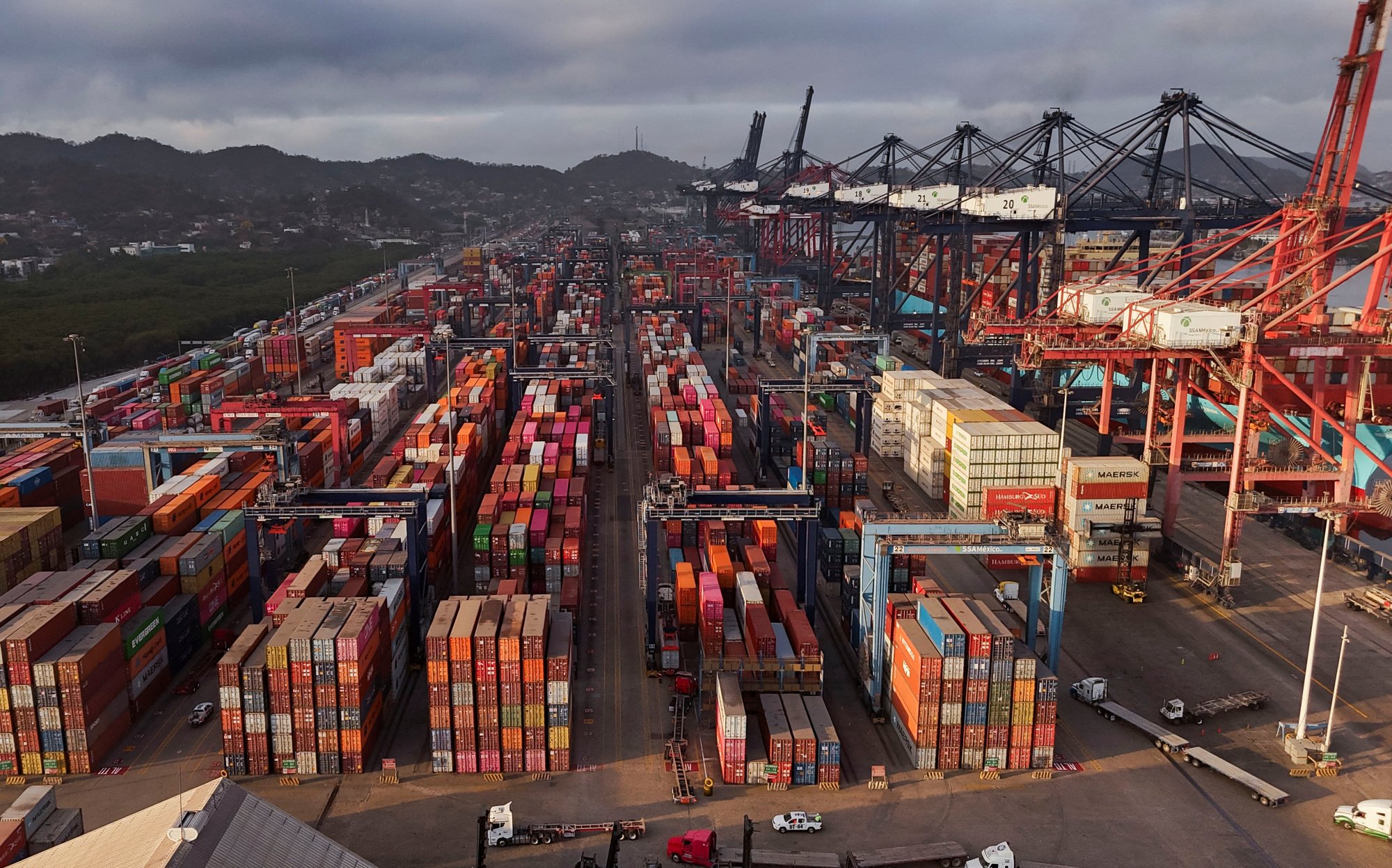
Mexico’s recent decision to impose a 50% tariff on certain imported goods has sent ripples through Asia’s trade networks, particularly impacting the continent’s established routes to North America. This unexpected move has effectively disrupted a crucial bypass for Asian manufacturers seeking to access the lucrative North American market, forcing a strategic re-evaluation of supply chains and export strategies. The tariff’s broad reach could necessitate significant adjustments for businesses that have come to rely on this established trade channel, potentially leading to increased costs and longer lead times for goods destined for the Americas. Asian economies heavily dependent on exports to North America will likely face the immediate challenge of adapting to this new tariff regime, exploring alternative markets or absorbing the increased costs.
China’s Assertive Stance on the Dalai Lama’s Succession
Beijing has issued a stern warning to India regarding any potential involvement in the selection process for the next Dalai Lama. China asserts its historical and legal prerogative to approve reincarnated Tibetan spiritual leaders, a position that has historically been a significant point of contention in its relationship with India, which hosts the Tibetan spiritual leader in exile. The Chinese government has explicitly stated that New Delhi should not “even think about stealing our 6th Dalai Lama,” underscoring its unwavering commitment to maintaining control over this sensitive religious and political appointment. This assertive declaration signals Beijing’s intention to prevent any external influence, particularly from India, in a matter it considers a core internal affair, with potential ramifications for Sino-Indian relations and the future of Tibetan Buddhism.

Hong Kong Official’s Apology Over Funeral Attire
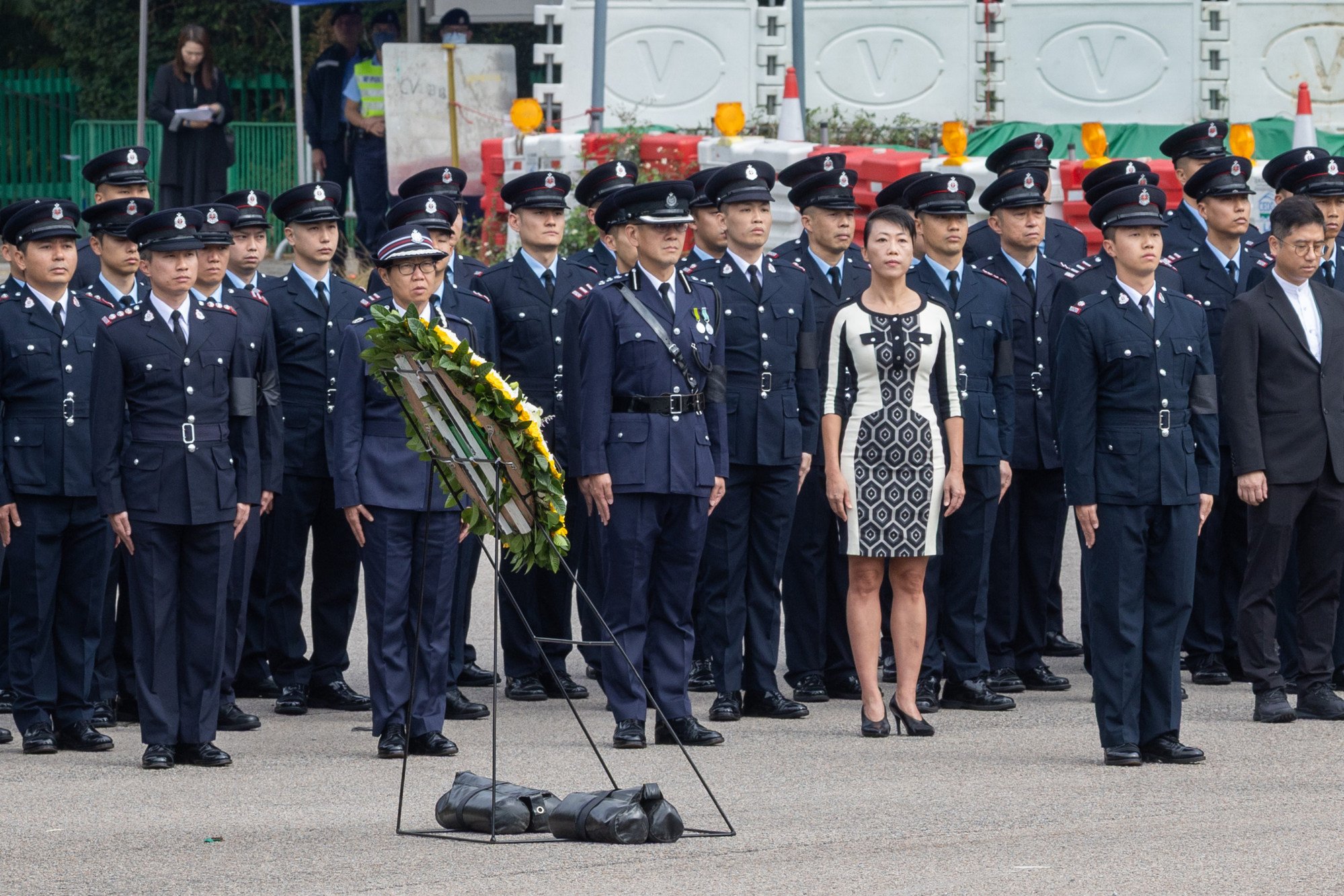
A Hong Kong district officer has issued an apology following public criticism of his attire during a firefighter’s funeral. The incident highlights the sensitivity surrounding public appearances and the expectations placed upon officials, particularly during solemn occasions. The choice of clothing was perceived by some as inappropriate and disrespectful, leading to a swift apology from the official. This event underscores the importance of cultural nuances and public perception in governmental roles, even in seemingly minor matters. It also reflects the heightened scrutiny that public figures often face in the digital age, where images and actions can be widely disseminated and debated.
Thailand’s Tourism Sector Faces Mounting Challenges
Thailand’s once-dominant tourism industry is experiencing a noticeable decline, with its coveted “tourism crown” slipping as a series of troubles plague the sector. Factors contributing to this downturn are multifaceted, ranging from global economic uncertainties and increased competition from neighboring destinations to internal challenges within Thailand itself. While specific details of these “troubles in paradise” are varied, they collectively paint a picture of an industry grappling with a complex web of issues. The long-term implications for Thailand’s economy, which heavily relies on tourism revenue, are significant, prompting a re-evaluation of strategies to revive and sustain this vital sector.

Leading mRNA Vaccine Expert’s Move to China
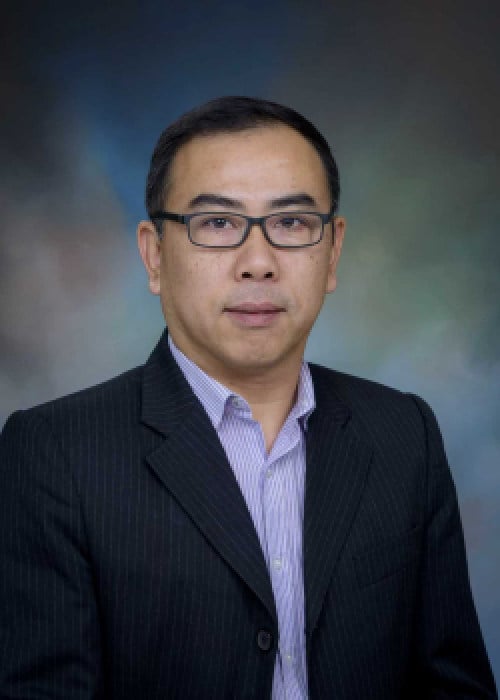
A prominent expert in mRNA vaccine technology, Hu Haitao, has reportedly left the United States to relocate to China. This move is seen as a significant development, particularly given the global race to advance vaccine research and development, especially in the wake of recent pandemics. The departure of a leading figure in such a critical scientific field raises questions about the factors influencing such decisions and the potential impact on both countries’ scientific and technological landscapes. Hu Haitao’s stated sentiment of “no need to explain” suggests a personal or professional decision driven by factors beyond public discourse, but its implications for the global biopharmaceutical industry are undeniable.
These stories, though diverse, collectively illustrate the dynamic nature of international affairs. They underscore the interconnectedness of trade, politics, culture, and scientific advancement, demonstrating how events in one region can resonate across the globe. As these narratives continue to unfold, staying informed about such developments is crucial for understanding the evolving global order.

