


Operation Absolute Resolve: A Swift and Decisive Strike Against the Maduro Regime
In the pre-dawn hours of the 3rd, under the cloak of darkness, the skies over Venezuela became a theater of unparalleled military might. Approximately 150 United States aircraft dominated the airspace, their presence heralding a dramatic turn of events. Explosions and plumes of smoke erupted across the capital city of Caracas, a stark visual testament to the unfolding crisis. In response to the escalating situation, the Venezuelan government was compelled to declare a national emergency. Simultaneously, the elite Delta Force of the U.S. Army executed a daring raid, breaching the residence where President Nicolás Maduro was reportedly in hiding with his wife. The operation culminated in the capture of Maduro, who was apprehended in the process of attempting an escape, clad in unassuming gray exercise attire. In a remarkably swift conclusion, just three hours after President Donald Trump gave the order for the offensive, the Maduro regime, which had governed Venezuela for 13 years since 2013, crumbled.
This meticulously planned and executed operation, codenamed ‘Operation Absolute Resolve,’ was the culmination of months of high-level strategic planning, involving extensive coordination between the White House and the Central Intelligence Agency (CIA). Beyond the formidable capabilities of the U.S. military, the CIA played a pivotal role, deploying personnel to gather crucial local intelligence. A dedicated CIA team was dispatched to the region in August of the preceding year. Their mission involved meticulously documenting Maduro’s daily routines, leveraging information provided by insiders within the Venezuelan government and sophisticated surveillance techniques, including the use of stealth drones to track his movements. To incentivize actionable intelligence, a substantial bounty of $50 million was publicly offered for information leading to Maduro’s capture. Dan Caine, Chairman of the U.S. Joint Chiefs of Staff, later elaborated on the intelligence gathered, stating, “The CIA team helped us understand where Maduro lived, where he traveled, what he ate and wore, and even details about his pets.”
A Massive Military Mobilization
The intelligence gathering was paralleled by a significant military buildup. The U.S. Department of Defense began assembling a formidable naval fleet in the Caribbean Sea in late August of the previous year, comprising 12 ships. This force was further augmented in November with the arrival of the advanced aircraft carrier USS Gerald R. Ford and three missile destroyers. This deployment brought an additional 5,500 troops to the region, adding to the 10,000 personnel already stationed there. According to reports, this concentration of over 15,000 troops represented the largest military deployment in the region since the tense standoff of the 1962 Cuban Missile Crisis. In preparation for the ground assault, members of the Delta Force underwent rigorous training, utilizing a meticulously constructed replica of Maduro’s known safe house. The operation’s timeline was fluid; it was initially slated for an earlier date but was postponed due to unfavorable weather conditions. The forces remained on high alert throughout the Christmas and New Year’s holidays, patiently awaiting the optimal window for execution.
The Night of the Operation: Precision and Power
On the 2nd, confirmation arrived that weather patterns had improved sufficiently to permit the operation, and pilots had identified secure and viable flight paths. President Trump issued the final authorization for the mission at 10:46 p.m. that evening, conveying his support to the deployed troops with the words, “Good luck and Godspeed.” The U.S. launched a diverse array of aerial assets from a network of 20 land and sea bases. These included powerful B-1 bombers, advanced fighter jets such as the F-22, F-18, E/A-18, and F-35, along with E-2 reconnaissance aircraft, various rotary-wing aircraft, and a multitude of remote-controlled drones.
At precisely 2 a.m. on the 3rd, the city of Caracas was jolted by the sound of explosions, and eyewitnesses reported seeing helicopters emitting bright flashes of light. Reports of smoke and flames emerged from the vicinity of the Venezuelan Ministry of Defense, accompanied by widespread power outages across multiple districts. President Trump later commented on the technological aspect of the operation, stating, “Our specialized technology caused the power outages.”
The Capture and Aftermath
The critical phase of the operation commenced at 2:01 a.m. as a U.S. helicopter, navigating through Venezuela’s air defenses, came under fire while approaching Maduro’s reported location, carrying special operations forces. In a subsequent interview, President Trump disclosed that while some U.S. troops sustained injuries, none were fatal. The operatives disembarked with remarkable speed and successfully infiltrated the residence where Maduro was located. The Venezuelan president was apprehended as he attempted to flee towards a fortified safe room. He was subsequently escorted onto a helicopter and transferred to the U.S. Navy ship USS Iwo Jima, which was positioned in the Caribbean Sea, by 4:29 a.m. local time.
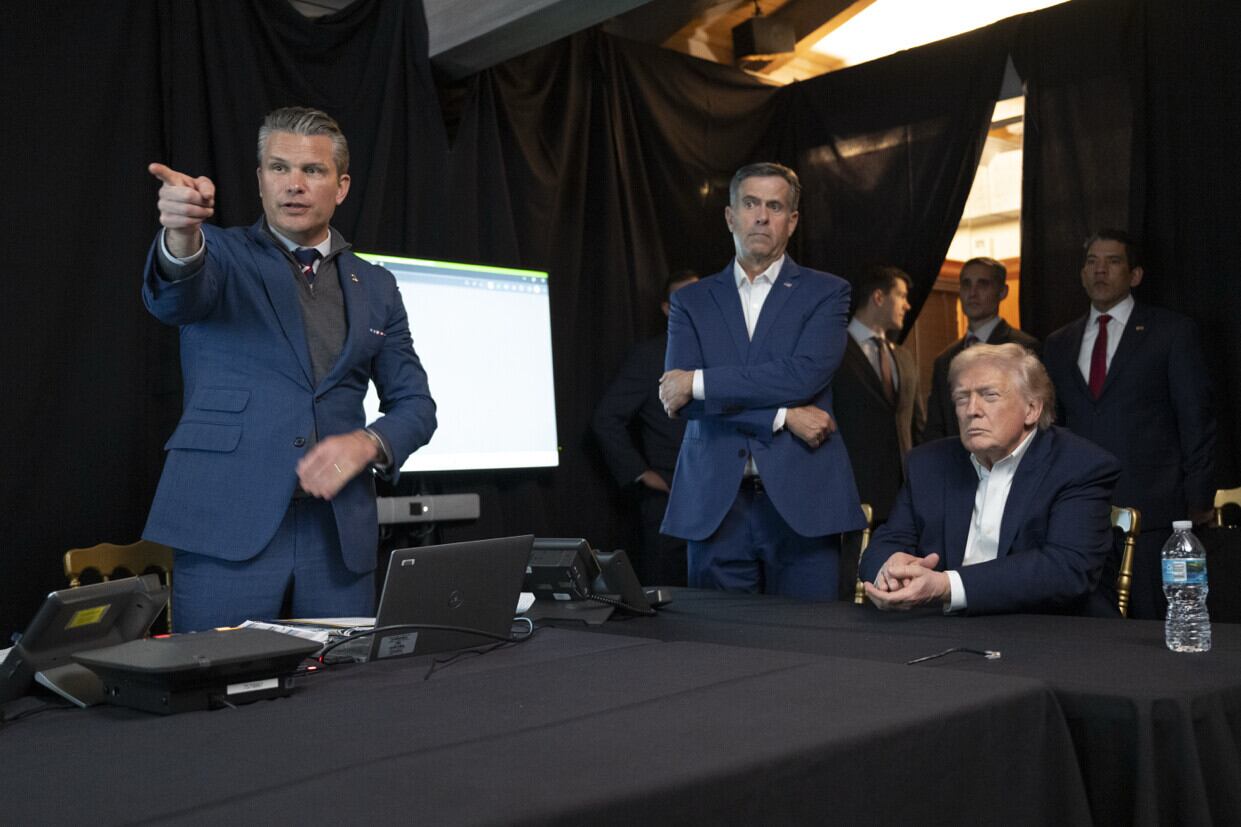
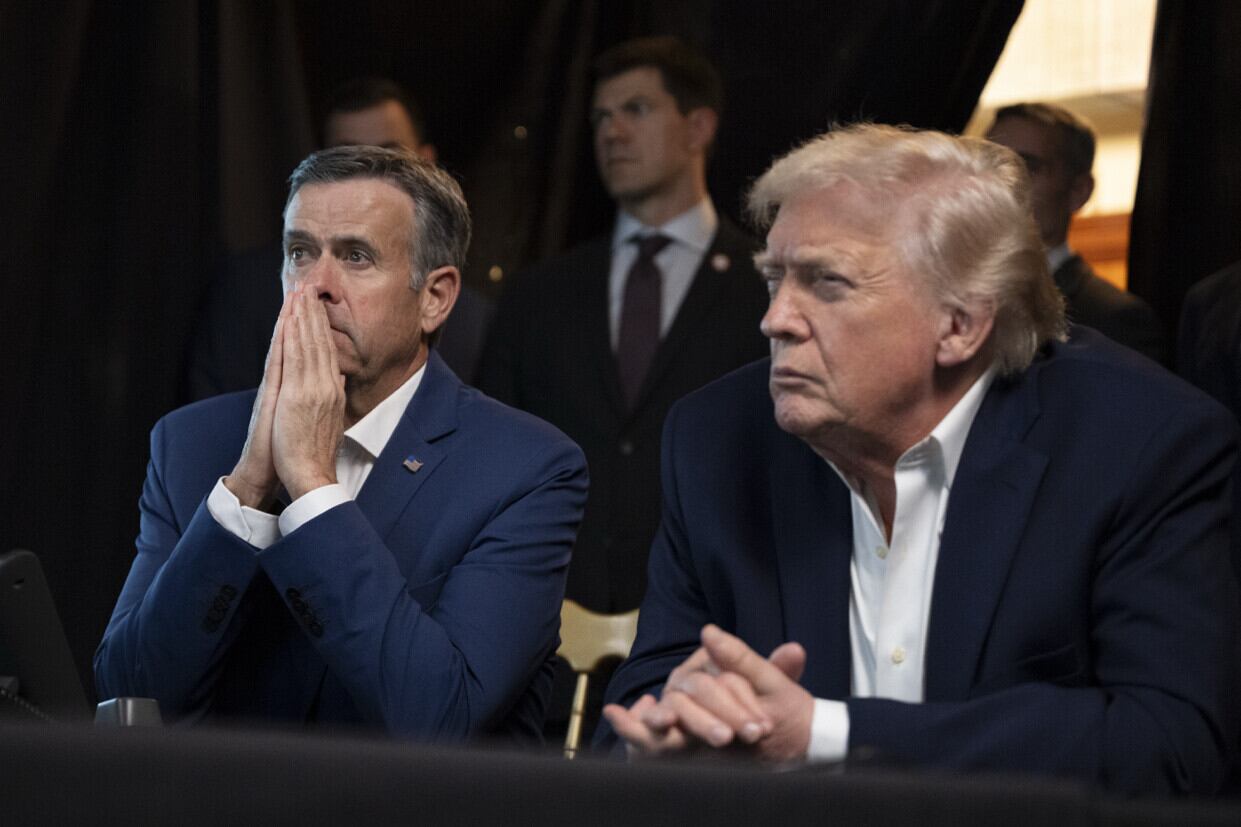
President Trump closely monitored the entire operation in real-time, receiving live feeds from his Mar-a-Lago Resort in Florida. Upon confirmation of the mission’s successful conclusion, he made the announcement of Maduro’s capture public via the social media platform Truth Social.