
Understanding Sociopathy: Beyond the Fictional Facade
The term “sociopath” often conjures images of fictional villains like Patrick Bateman or notorious historical figures like Ted Bundy and Jack the Ripper. While these portrayals capture a certain essence, the reality of sociopathy, and its close cousin psychopathy, is far more nuanced and complex than commonly perceived. Psychologists emphasize that these conditions are not simple character flaws but intricate personality disorders with distinct, yet overlapping, traits.
It’s important to note that “sociopath” is not a formal diagnostic term recognized by major health organizations like the World Health Organization (WHO). Instead, traits associated with sociopathy, much like those of psychopathy, are generally categorized under the broader umbrella of dissocial personality disorder. While both conditions share significant characteristics, experts highlight key differences that set them apart.
Justin Brown, an authority on psychological patterns, explains that individuals with psychopathy exhibit a profound lack of empathy and guilt. They can be exceptionally charming and adept at blending into social circles, but internally, they struggle to form genuine emotional bonds.
In contrast, sociopaths may possess an understanding of right and wrong, but they often struggle with impulse control and frequently display a history of disregarding laws or exhibiting defiance towards authority figures.

Sociopathic tendencies can manifest more overtly. It is estimated that approximately one percent of the UK population exhibits traits along this spectrum. Recognizing these tell-tale signs is crucial, especially as a significant number of individuals in leadership positions, such as CEOs, have been observed to display these behavioral patterns.
However, the presence of these traits does not automatically equate to a diagnosis of sociopathy. Understanding these characteristics can empower individuals to establish healthier boundaries in their interactions. Furthermore, experts suggest that change is possible. Individuals who are willing to engage in self-reflection and acknowledge their sociopathic tendencies may have the opportunity to cultivate more meaningful connections.
Key Tendencies of Sociopaths to Observe
For centuries, our cultural understanding of a sociopath has been that of an individual who inflicts harm without remorse, manipulates others for personal gain, and deceives those around them. From literary characters to real-life criminals, this image has become deeply ingrained. However, scientific understanding has only recently begun to offer concrete distinctions.
Brain Chemistry and Behavior
Brain imaging studies have revealed differences in brain activity among individuals with psychopathy and sociopathy compared to the general population. Dr. Caitlyn McClure notes that these studies show reduced activity in the brain circuits responsible for generating fear and empathy. Consequently, their behavior often appears driven by rewards, meticulously planned, and remarkably free from guilt.
This can lead to obsessive behaviors, which, at times, may escalate into aggression or violence when their desires are thwarted. Sadly, for many, the pursuit of control and power overshadows any yearning for deep emotional connection, leaving those in their orbit feeling isolated and subjected to manipulation.
This difficulty in experiencing genuine remorse is why apologies from sociopaths can feel hollow.
Brown advises caution: “If you observe someone who consistently disregards the feelings of others, uses people to achieve their goals, or shows no apparent regret for their actions, you should be vigilant.” He recommends against becoming entangled and suggests establishing firm, unyielding boundaries. The focus should be on what one can control and carefully considering the level of intimacy to allow in such relationships.
The Challenge of Lasting Relationships
While sociopaths can be adept at charming groups, maintaining enduring personal relationships proves challenging. This stems primarily from their difficulty in comprehending and experiencing nuanced emotions such as guilt, love, and particularly, empathy.
Although their ability to mimic positive attributes and behaviors of those around them might create an illusion of extensive friendships, they often falter when it comes to building deeper, more significant connections.
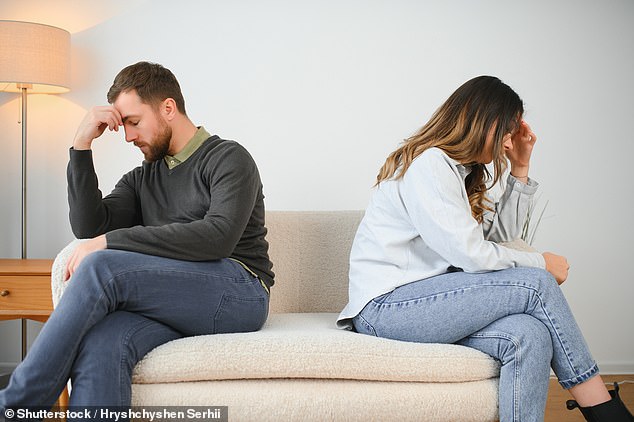
Dr. McClure elaborates: “Rather than being absent, as in psychopathy, the capacity for attachment is compromised in sociopathy, leading to spontaneous outbursts driven by frustration.” This neurological wiring often limits their capacity for emotional depth, contributing to unpredictable behavior.
Claire Law, a psychotherapist and legal contributor, adds: “Sociopaths can shift from warmth to anger in an instant. Their reactions are emotional, and they frequently act without forethought about the consequences. This impulsivity results in more chaotic and unstable relationships.”
Living on the Edge: Charm and Self-Advantage
Unlike psychopaths, who may appear more detached and aloof, sociopaths often possess a captivating charm and can achieve considerable success in life. Dr. McClure attributes this to a “naturally low anxiety temperament,” suggesting a biological predisposition to remain calm under pressure.
While they may present themselves as supportive friends, colleagues, or partners, their underlying motivation is often masterful manipulation.
Sumeet Grover, a registered psychotherapist, explains: “Drawing others into their narrative provides them with a sense of power and grandiosity, deflecting attention from their internal experiences. Their sense of self is fragmented, leading them to process emotions differently than most. They can be charming, convincing, and relatable, while often lacking a genuine sense of empathy or remorse.”
Studies indicate that in high-stress situations, where most individuals experience an elevated heart rate, a sociopath’s heart rate may remain stable or even decrease. This can lead to an underestimation of risk and a delayed fear response. Intense emotional experiences often become the primary means by which they feel anything at all.
Theorists propose that because sociopaths experience emotions differently, they may be driven by a subconscious need to feel something, sometimes leading to destructive behaviors.
As Patric Gagne, a clinical psychologist and self-identified “21st-century sociopath,” writes in her book, Sociopath: “I was beginning to understand why doing bad things made me feel… Although brief, it connected me to the way I imagined everyone else felt all the time… And we weren’t ‘bad’ or ‘evil’ or ‘crazy’, we just had a harder time with feelings. We acted out to fill a void.”