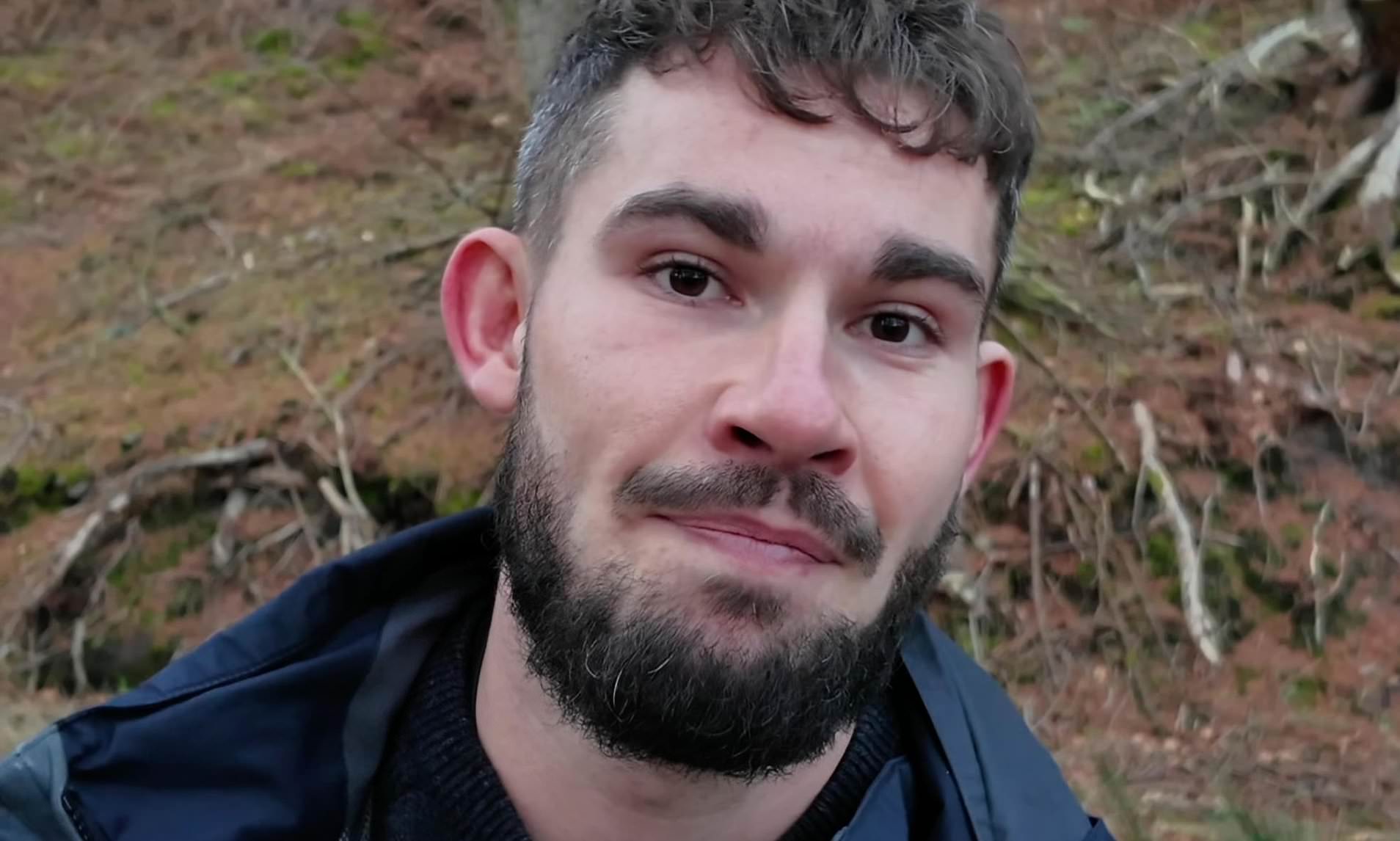
From Psychosis to Sleep Coach: A Man’s Journey Through a Truman Show Delusion
A harrowing experience of psychosis, triggered by extreme sleep deprivation, led Tommy Graves to believe he was living in a real-life version of The Truman Show. Now, at 32, Graves has transformed his ordeal into a mission to promote the importance of sleep, becoming a qualified sleep coach.
Graves’ descent into psychosis began during a fundraising project for a homeless charity. The immense stress and the constant influx of ideas prevented him from sleeping. What started as a goal to raise £100 escalated to an ambitious £66 million target as the days without sleep wore on. After eight consecutive nights without rest, Graves found himself in a psychiatric ward, convinced he was the star of a live television broadcast.
“My family sent me [to a mental health hospital] in an ambulance because they knew something had gone wrong,” Graves recounted. “I was extremely coherent but I was not making sense. I had a plan to end racism, end sexism, end wars, cure cancer, all of these amazing things.”

He elaborated on his delusion: “By this point I didn’t even know where I was. I thought I was in a television studio, like The Truman Show.” In the iconic 1998 film, Jim Carrey plays a character whose entire life is unknowingly broadcast to the world. Graves’ reality mirrored this, with him performing for an unseen audience.
During his four-week stay in the mental health unit, Graves engaged in a series of elaborate performances, believing he was earning accolades. “I was performing to these cameras at the mental health hospital and I was trying to engage and entertain the audience. There was singing, dancing, cartwheels, running up walls. I leapt over a nurse.” He even believed he was on track to “earn an Oscar” for his theatrical efforts. One nurse’s sarcastic remark about him winning an Oscar was taken literally by Graves, fueling his delusion.
Doctors diagnosed Graves with a manic episode with psychosis, a state where his perception of reality was severely distorted. “I completely left planet earth, I had no sense of what reality was, I was hearing and thinking and seeing things that were not real,” he explained. The intervention of medical staff and a cocktail of medications finally allowed him to sleep, and the subsequent four weeks were spent in a slow return to his senses.
“What I experienced was a manic episode with psychosis caused by stress and sleep deprivation,” Graves stated. “I was in the highest level of care you can get. I never thought that could happen to me. That was enough to scare me into picking up a book and figuring out how to sleep well.”
Upon his discharge, Graves’ life was in disarray, and he was acutely aware of the fragility of his mental state. “When I was discharged, I felt so sad. My life had just been blown to bits. I was incredibly embarrassed,” he admitted. His doctor’s warning about the risk of losing his grip on reality again if he didn’t prioritize sleep became a powerful motivator.
The Path to Sleep Coaching
The subsequent two years were dedicated to understanding and mastering the art of sleep. Graves meticulously learned how to improve his sleep hygiene, establishing consistent bedtimes and wake-up routines. This dedication paid off, and in April 2025, he qualified as a sleep coach.
Now, Graves is on a mission to destigmatize the concept of having a set bedtime, aiming to make it a “cool” habit. He conducts workshops for businesses and communities, educating them on the profound impact of sleep on overall well-being.
He observes a common societal pattern in the UK: “The experience I had of being a lad living in the UK, it is the norm for weekends to be dedicated to late nights and for weekdays to be more early mornings. You end up in this vicious cycle of exhaustion.” This cycle, he explains, leads to “social jet lag” every weekend, akin to frequently traveling across time zones.
Graves advocates for the pivotal importance of consistent sleep schedules: “Around one in three people suffer from insomnia in the UK. Having a consistent bed time and wake time is pivotal, that is the most important thing you can do.”
He emphasizes that prioritizing sleep is not about sacrificing fun but about optimizing the timing of activities to avoid burnout. “It’s not about having less fun, it’s about doing it at a time that doesn’t make you exhausted.”
The Far-Reaching Impact of Poor Sleep
Graves’ personal experience has illuminated the critical link between sleep and mental health. He is passionate about spreading awareness that “sleep is connected to every main mental health condition, either making symptoms worse or being a key driver in the problem existing in the first place.”
This connection is supported by extensive research. Poor sleep is a known contributor to a range of serious health issues, including:
- Cancer: Chronic sleep deprivation has been linked to an increased risk of certain cancers.
- Stroke: Insufficient or disturbed sleep can negatively impact cardiovascular health.
- Infertility: Sleep disturbances can disrupt hormonal balances crucial for reproductive health.
While occasional awakenings during the night are common and do not necessarily indicate insomnia, persistent difficulties can affect millions. Insomnia can be triggered by various factors, including:
- Stress and anxiety
- Consumption of alcohol, caffeine, or nicotine
- Environmental disturbances like noise
- Irregular work schedules (shift work)
- Disruptions to the body’s natural clock (jet lag)
Experts offer straightforward advice for improving sleep hygiene, which includes:
- Maintaining Regular Sleep Hours: Adhering to a consistent bedtime and wake-up time, even on weekends.
- Staying Active: Engaging in physical activity during the day can promote better sleep.
- Creating a Restful Environment: Ensuring the bedroom is quiet, dark, and at a comfortable temperature.
Tommy Graves’ journey from a state of delusion to becoming a sleep advocate underscores the profound power of sleep in maintaining mental and physical well-being. His mission to make consistent sleep a priority aims to prevent others from experiencing the devastating consequences of sleep deprivation.